Η Carolyn Drake ξεκίνησε να εργάζεται σε μακροπρόθεσμα έργα βασισμένα σε παλαιότερες φωτογραφίες, επιδιώκοντας να αναδείξει τις κυρίαρχες ιστορικές αφηγήσεις και να τις επαναλάβει δημιουργικά. Η πρακτική της αρxκά συνδυάζει τη φωτογραφία με το κολάζ και τη γλυπτική. Την ενδιαφέρει προκαλώντας να καταρρεύσει το παραδοσιακό χάσμα μεταξύ συγγραφέα και υποκειμένου, του πραγματικού και του φανταστικού.
Carolyn Drake
Η Carolyn Drake γεννήθηκε στην Καλιφόρνια και σπούδασε ΜΜΕ/Πολιτισμό και Ιστορία στις αρχές της δεκαετίας του 1990 στο Πανεπιστήμιο Μπράουν. Μετά την αποφοίτησή της, το 1994, η Carolyn Drake μετακόμισε στη Νέα Υόρκη και εργάστηκε ως διαδραστική σχεδιάστρια για πολλά χρόνια προτού αναχωρήσει για να ασχοληθεί με τον κόσμο μέσω της φωτογραφίας.
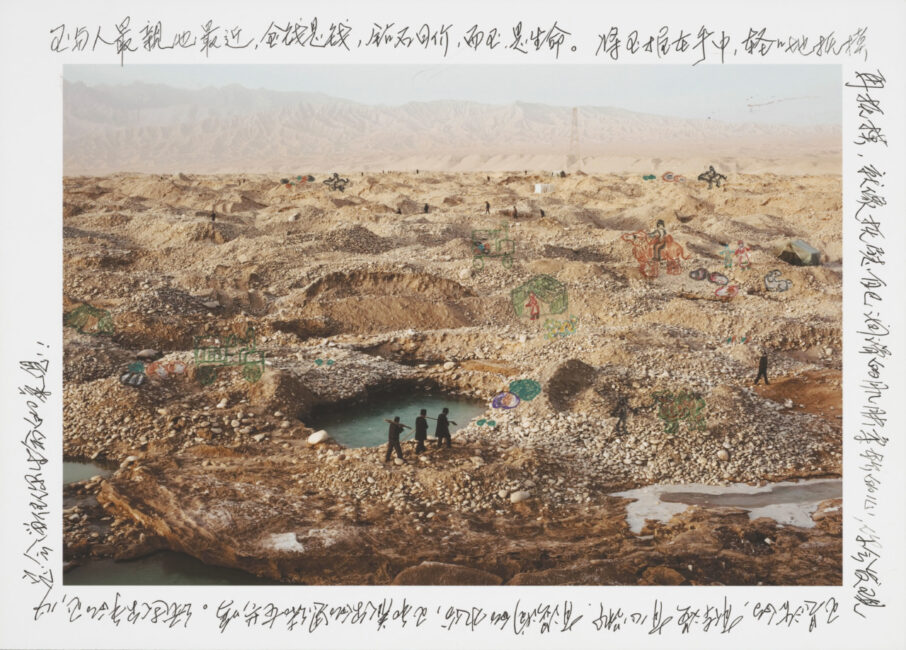
Carolyn Drake, China. Xinjiang Uyghur Autonomous Region. Hotan. White Jade River. 2013. A message about the soul of jade written by a Chinese jade carver.
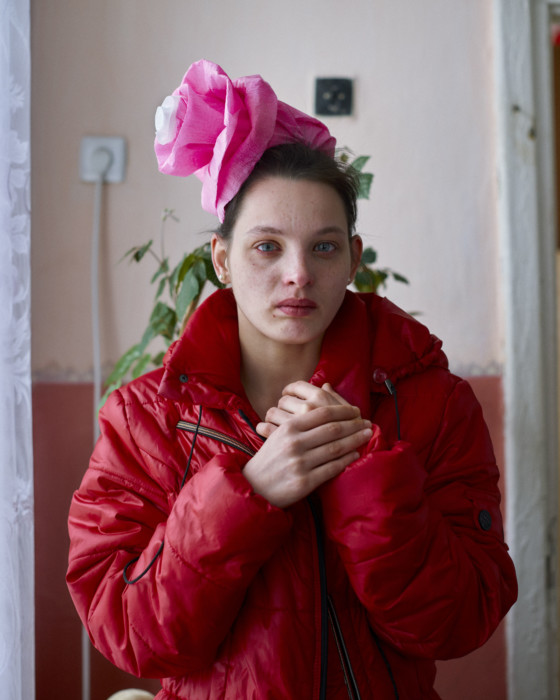
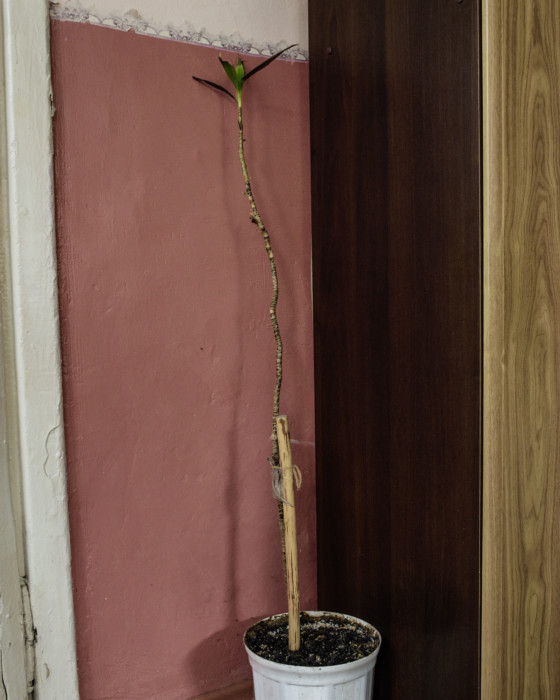
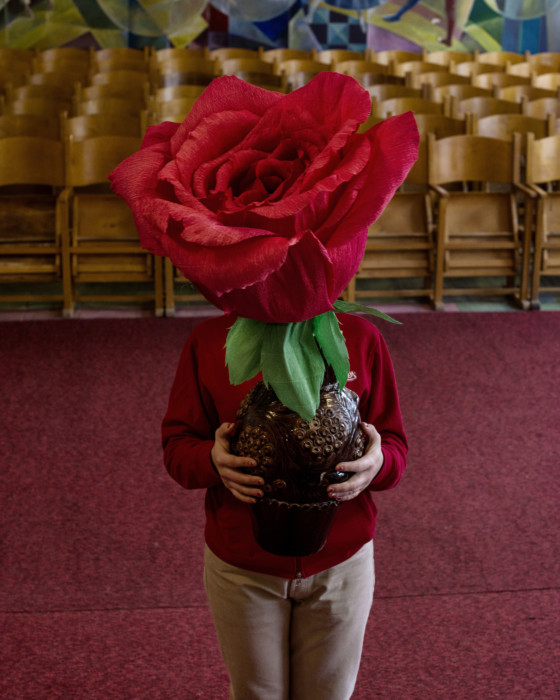
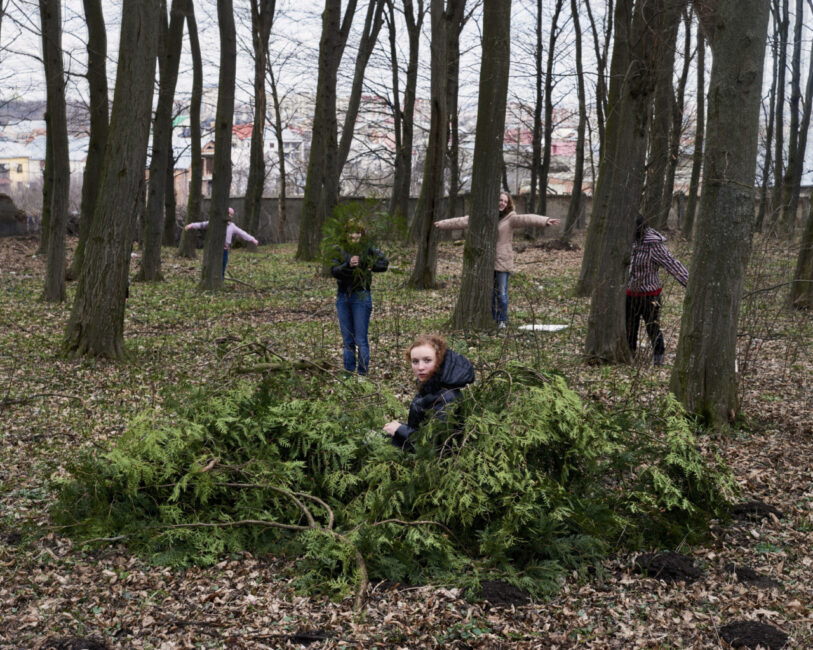
Μεταξύ 2007 και 2013, η Drake ταξίδευε συχνά στην Κεντρική Ασία από τη βάση της στην Κωνσταντινούπολη για να εργαστεί σε δύο μακροπρόθεσμα έργα: Two Rivers (2013) και Wild Pigeon (2014). Το τελευταίο έργο αποκτήθηκε από το SFMOMA στο Σαν Φρανσίσκο και παρουσιάστηκε σε μια εξαμηνιαία ατομική έκθεση το 2018. Στο Internat (2014-2017), η Drake εργάστηκε με νεαρές γυναίκες σε ένα πρώην σοβιετικό ορφανοτροφείο για να δημιουργήσει φωτογραφίες και πίνακες που ξεπερνούν τα τείχη του ιδρύματος και tie προσδοκίες του ως προς το φύλο.
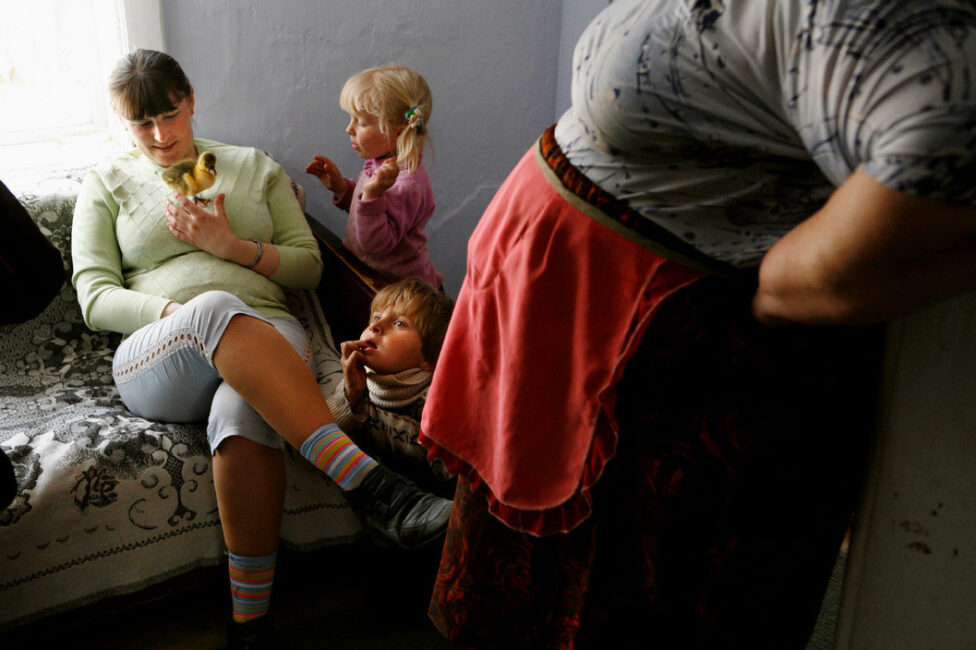
Carolyn Drake, UKRAINE. Krasiv. 2006. A family in their village home.
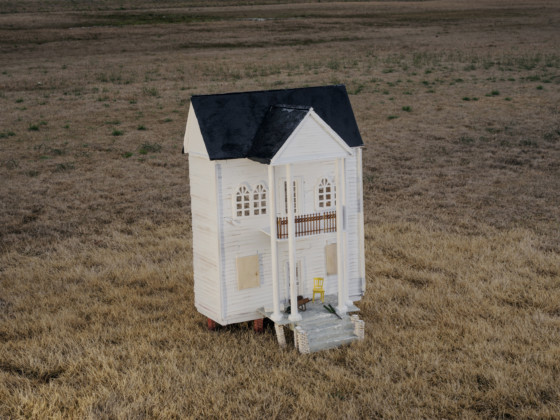
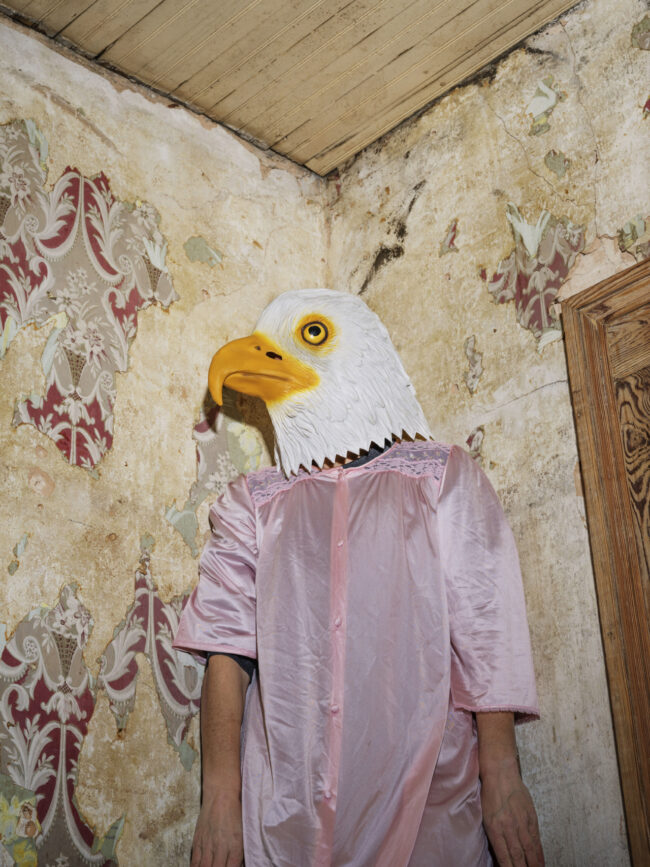
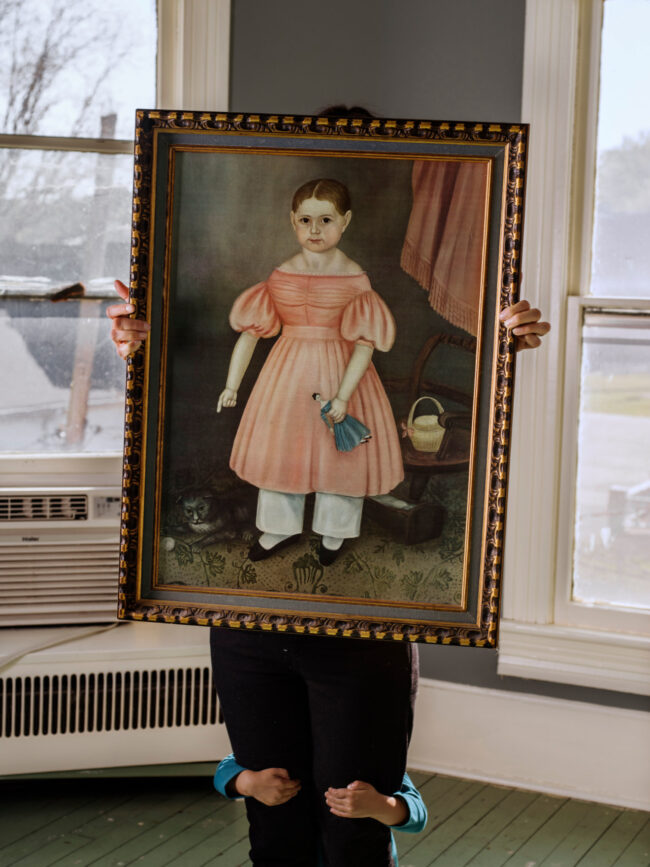
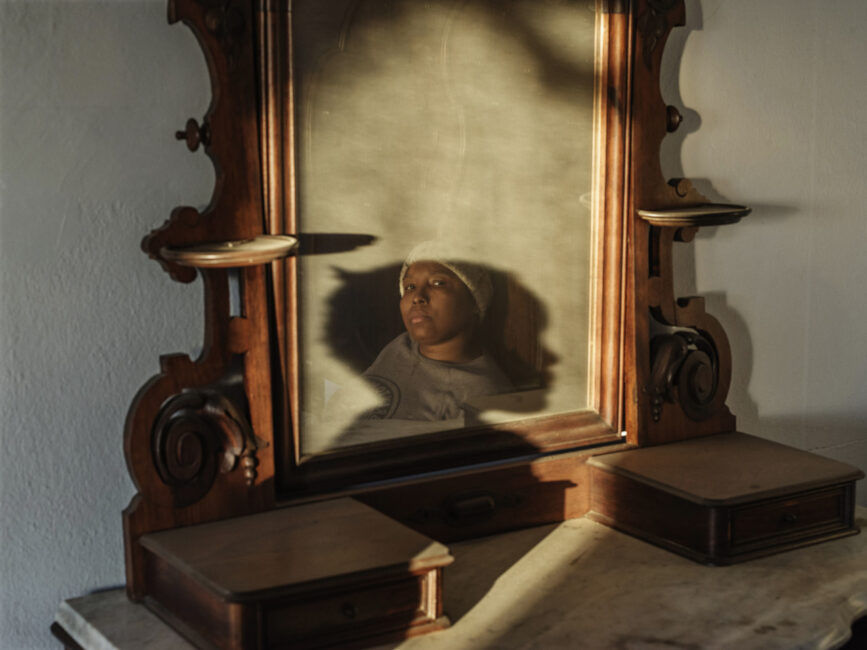
Αυτή τη δουλειά ακολούθησε το Knit Club (TBW Books, 2020), η οποία προέκυψε από τη συνεργασία της με μια αινιγματική ομάδα γυναικών στο Μισισιπή που αποκαλούσαν τους εαυτούς τους «Knit Club» και προκρίθηκε για το Paris Photo Aperture Book of the Year και τα Lucie Photo Book Awards.
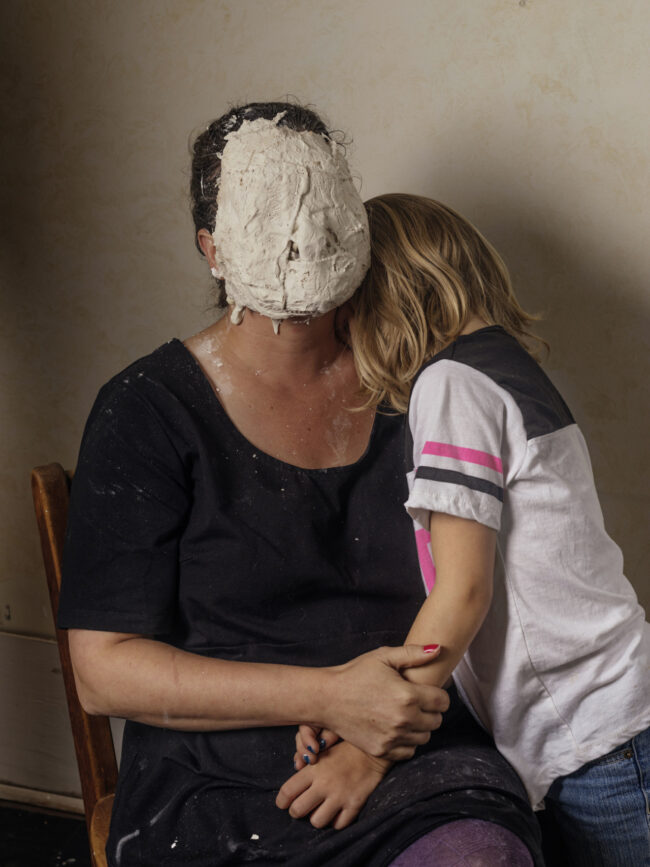
Carolyn Drake, USA. Water Valley, Mississippi. 2018. These images were made in conjunction with women who are part of a Knit Club in the small town of Water Valley.
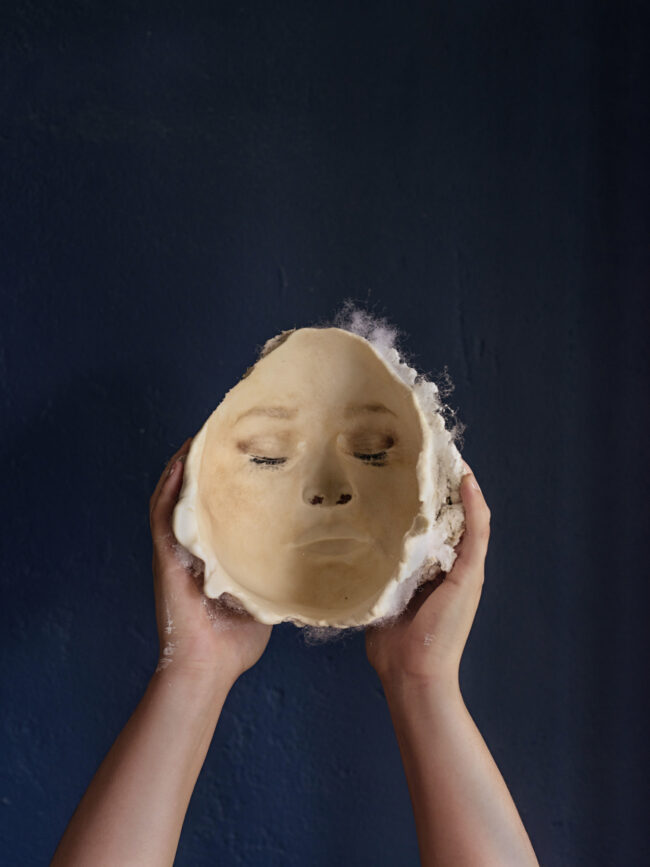
Αφού ταξίδεψε στην Ευρώπη και την Ασία για σχεδόν δέκα χρόνια, η Carolyn Drake επέστρεψε στις Ηνωμένες Πολιτείες το 2013. Μετακόμισε στο Water Valley, μια μικρή, αγροτική πόλη στο Μισισιπή, γνωστή για τον συντηρητισμό της, και παρήγαγε την προaνσφερθείσα σειρά Knit Club, σε μια αινιγματική κοινότητα γυναικών, στις οποίες ενσωματώθηκε. Αυτές οι γυναίκες, τα παιδιά και οι μητέρες ενώνονται με χειρωνακτική εργασία (πλέξιμο) και μυστηριώδεις πεποιθήσεις, σε μια κοινότητα που καταφέρνει να υπάρχει έξω από το βλέμμα ή τον έλεγχο των αντρών. Εμπνευσμένη χαλαρά από το λογοτεχνικό ύφος του William Faulkner, η Drake αναμειγνύει τη νεκρή φύση και το εγχώριο πορτρέτο σε μια μαγευτική ιστορία που βρίσκεται κάπου ανάμεσα στο πραγματικό και το υπερφυσικό.
Carolyn Drake, USA. Water Valley, Mississippi. 2018. These images were made in conjunction with women who are part of a Knit Club in the small town of Water Valley.
Με το Centaur (τίτλος εργασίας), συνεχίζει να πειραματίζεται με τη μυθοπλασία ντοκουμέντου και επιδιώκει να υπονομεύσει τα ιδανικά της αρρενωπότητας που έγιναν μυθικά από την αμερικανική κουλτούρα και «να εξερευνήσει την ίδια πραγματικότητα/τόπο από μια άλλη οπτική γωνία, αναζητώντας την αλήθεια τόσο δυνατή όσο η μυθοπλασία. Το έργο της Carolyn Drake έχει υποστηριχθεί από μια υποτροφία Guggenheim, το βραβείο βιβλίου Anamorphosis Prize, το Peter S Reed Foundation, το Lightwork, το Do Good Fund, το βραβείο Lange Taylor, το Magnum Foundation, το Pulitzer Center και μια υποτροφία Fulbright. Είναι μέλος από το 2017 του πρακτορείου Magnum.
Carolyn Drake
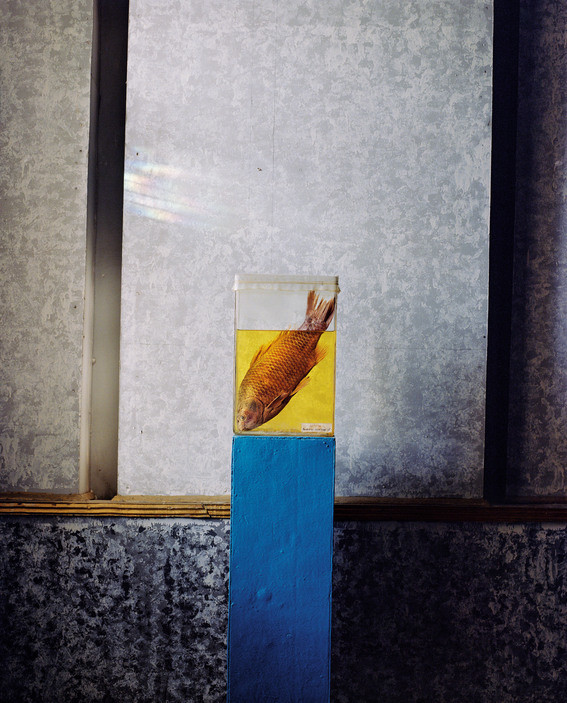
Carolyn Drake, Kazakhstan. Aralsk. 2009. Sea bream, part of a permanent exhibition of endangered species displayed at the History Museum of Aralsk, a former Soviet fishing port on the Aral Sea.
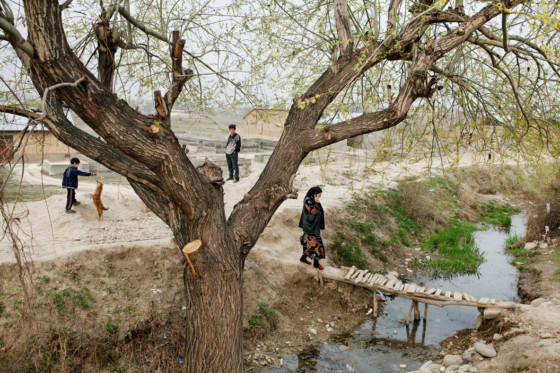
Carolyn Drake, Kyrgyzstan. Fergana Valley. outskirts of Osh. 2008. A border town near the city of Osh in the Fergana Valley. In the maze of irrigation and drainage canals that cross Central Asia, large quantities of the water that have been diverted from the two rivers are lost to evaporation and spillage.
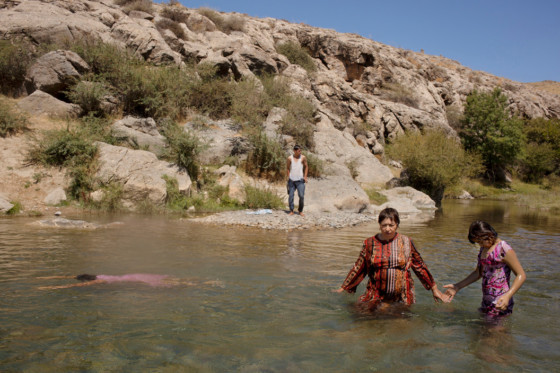
Carolyn Drake, Kazakhstan. Turkestan. 2010. Pilgrims stop for a swim on the way the home from visiting a notorious spring where a Sufi missionary was beheaded. His head subsequently fell into the well and rolled in an underground spring to Mecca.
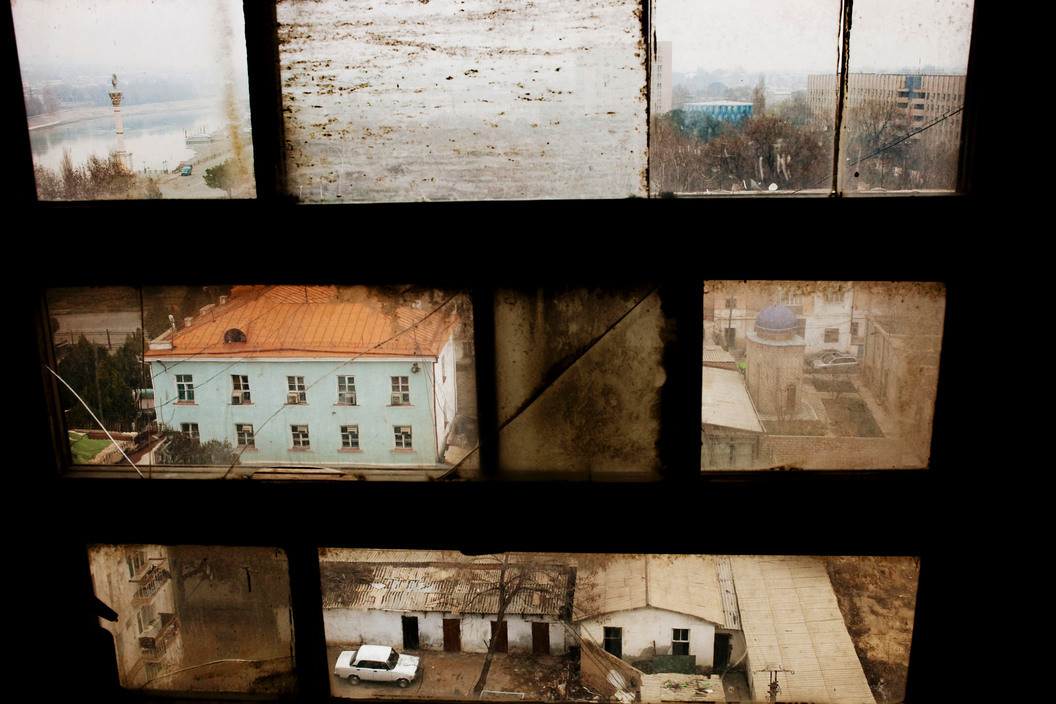
Carolyn Drake, Tajikistsan. Fergana Valley. Khujand. 2009 Khujand viewed through a window in the Leninabad Hotel. The city was established by Alexander the Great 2,500 years ago on the banks of the Syr Darya (framed in the upper left corner).
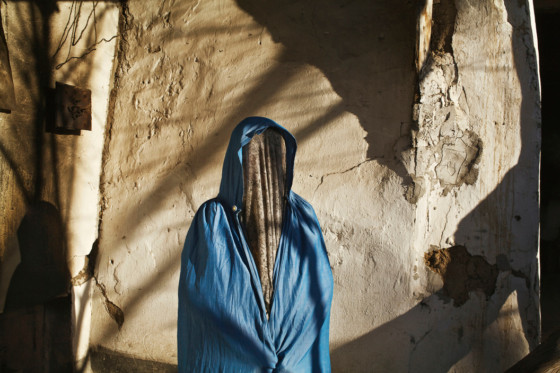
Carolyn Drake, Kyrgyzstan. Fergana Valley. Karasu. 2007. An Uzbek woman whose family follows Shariah law poses in the courtyard of her home. The population of the Fergana Valley was devoutly Muslim before Soviet times, one of the major reasons the Soviet Union wanted to divide the area and weaken the religious bonds that were part of the fabric of life.
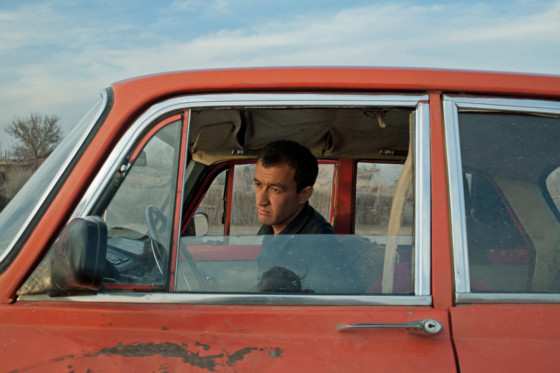
Carolyn Drake, Uzbekistan, Karakalpakstan. Shege. 2008. Cotton farmer in his Moskovich.
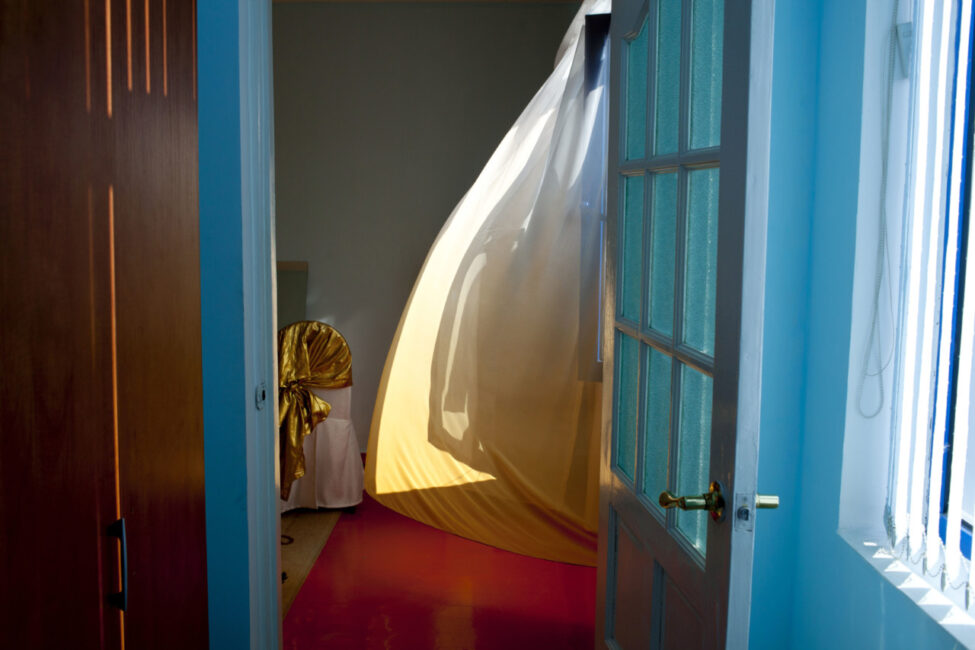
Carolyn Drakem Kazakhstan. Zhetisay. 2009. Hotel room.
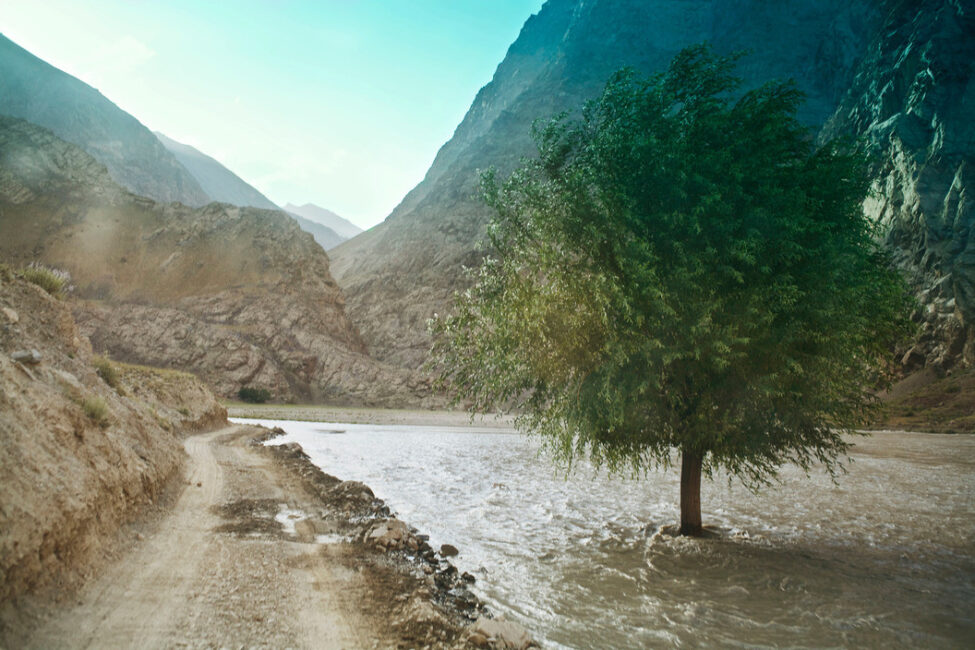
Carolyn Drake, Tajikistan. Gorno-Badakhshan Autonomous Region. Bartang. 2008. Bartang river. The road was built with support from the Aga Khan foundation after the Soviet Union dissolved. During Soviet times, military roads were built along the Afghan border, but in the Bartang valley, which was not a strategic military zone, there were no roads.
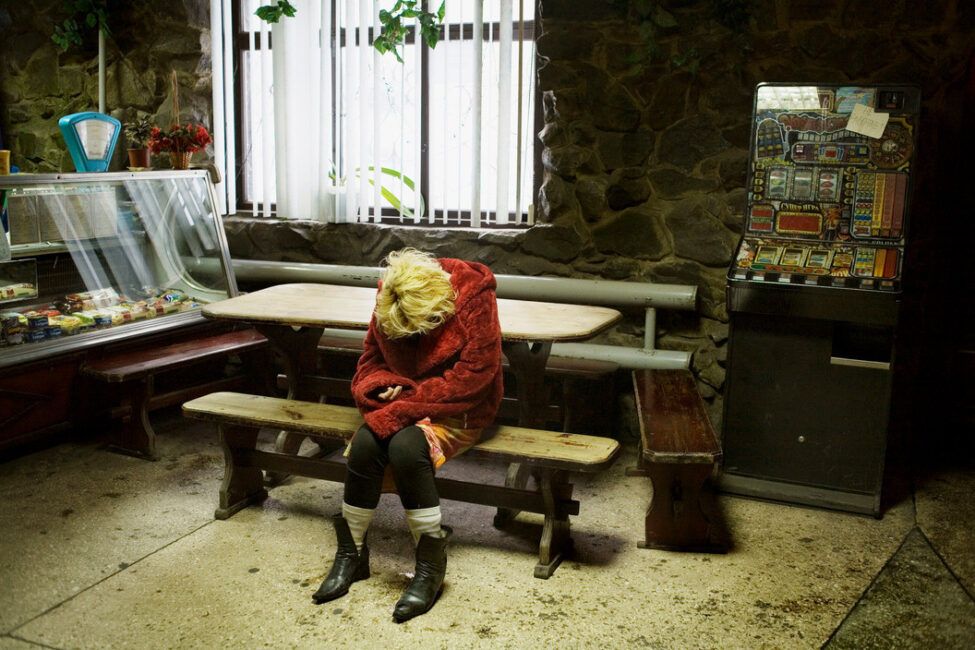
Carolyn Drake, UKRAINE. Torez, Donetsk Oblast. 2007. A young woman high on drugs dozes in a cafe.
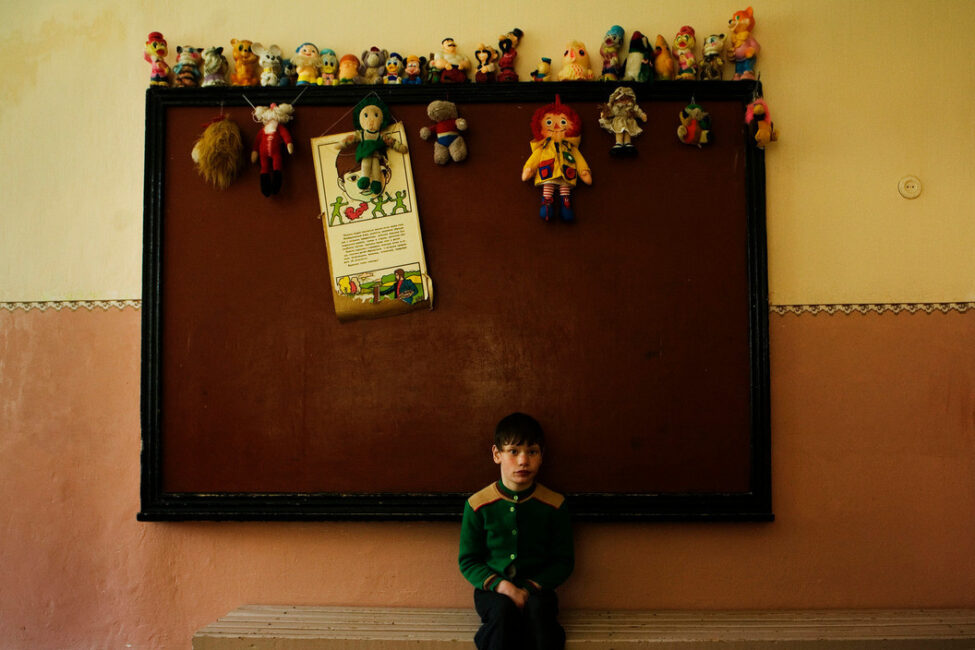
Carolyn Drake, UKRAINE. Petrokhiv. 2006. A young orphan waits in her classroom with nothing to do in the Petrokhiv Children's Building. There are over 100,000 children residing in government institutions in Ukraine today. The majority of them are social orphans, children whose parents are unavailable due to drug and alcohol abuse and the resultant hardships. Eighty girls between the ages of 5 and 25 live in near isolation in the Petrokhiv Children's building, a Soviet institution built in the 1960s to house girls with mental disabilities. With the facility understaffed, there are few planned activities, and little preparation for their release at the age of 25.
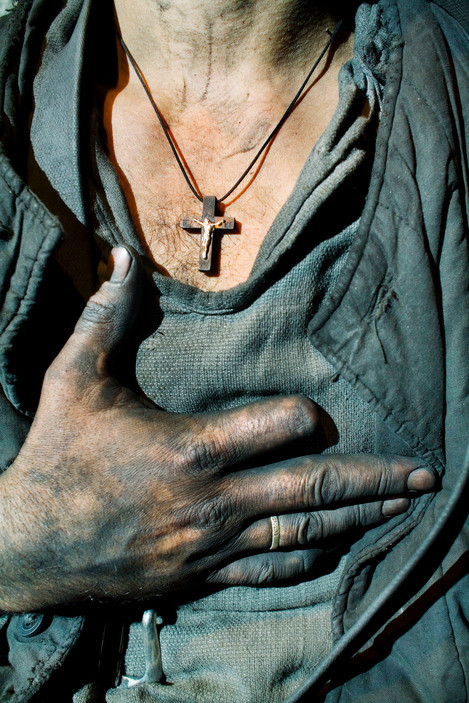
Carolyn Drake, UKRAINE. Donetsk. Torez. 2006. A coal miner in the locker room after his work shift at Progress Mine in the town of Torez. Torez was once a flourishing coal mining town. Under communism, miners' salaries were among the highest in the Soviet Union and miners were seen as national heroes. But since Ukrainian independence the coal industry has attracted little government investment. The mines here are deep and extraction unprofitable. With many mines in disrepair, safety has become an issue. Scores of them have been closed, leaving many miners jobless.
Carolyn Drake, UKRAINE. Krasiv. 2006. A family in their village home.
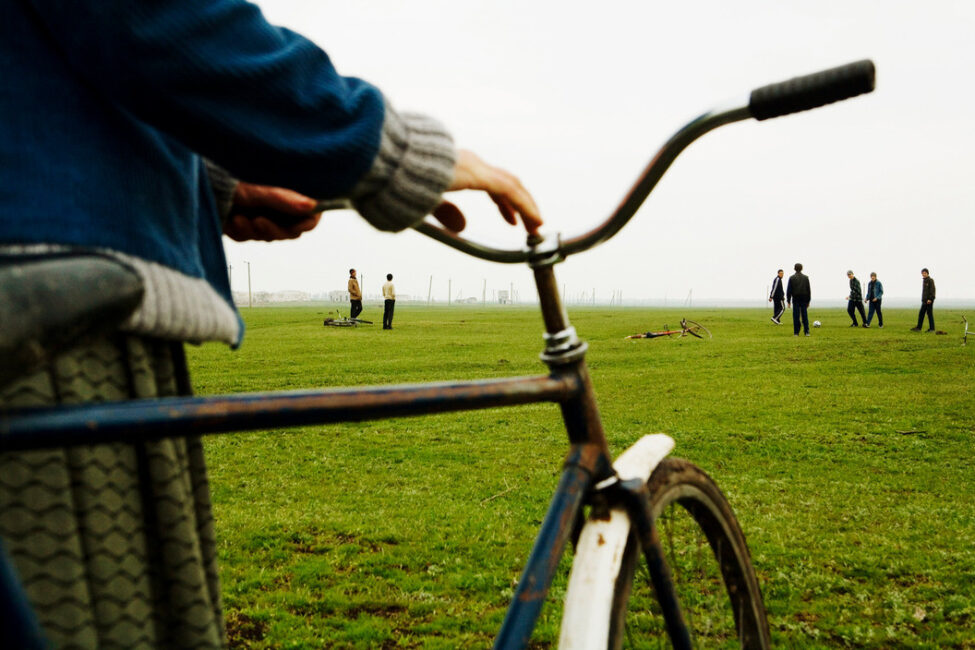
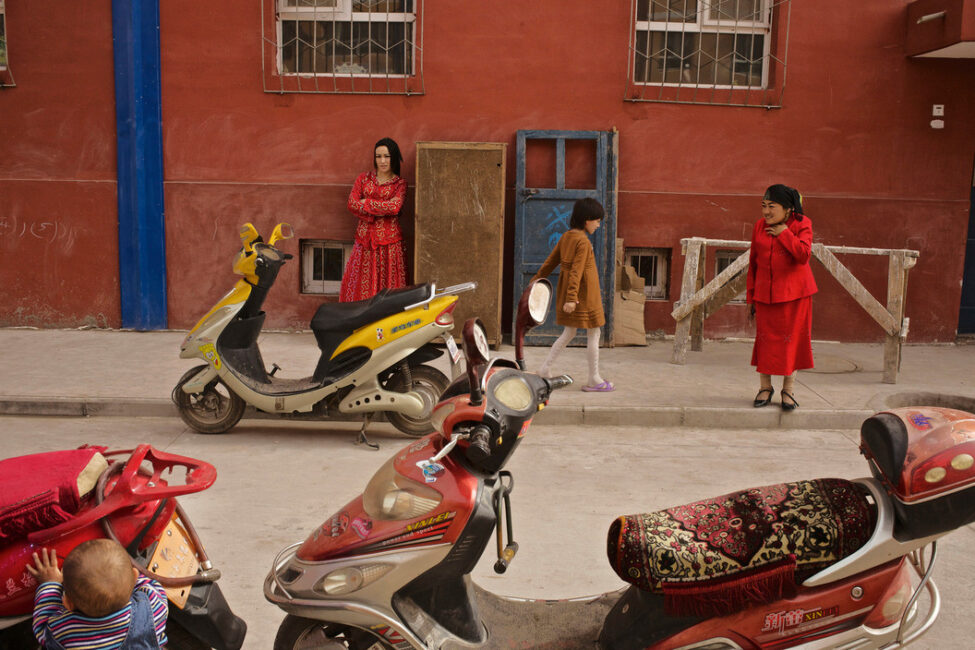
Carolyn Drake, UKRAINE. Serebrianka. 2006. A Crimean Tatar woman watches boys from her village play football while waiting for her cows to return from the fields in the village of Serebrianka. About 250,000 Crimean Tatars, a Turkic group of Sunni Muslims, have returned to their homeland since the fall of the Soviet Union. Their families were forcibly deported in 1944.
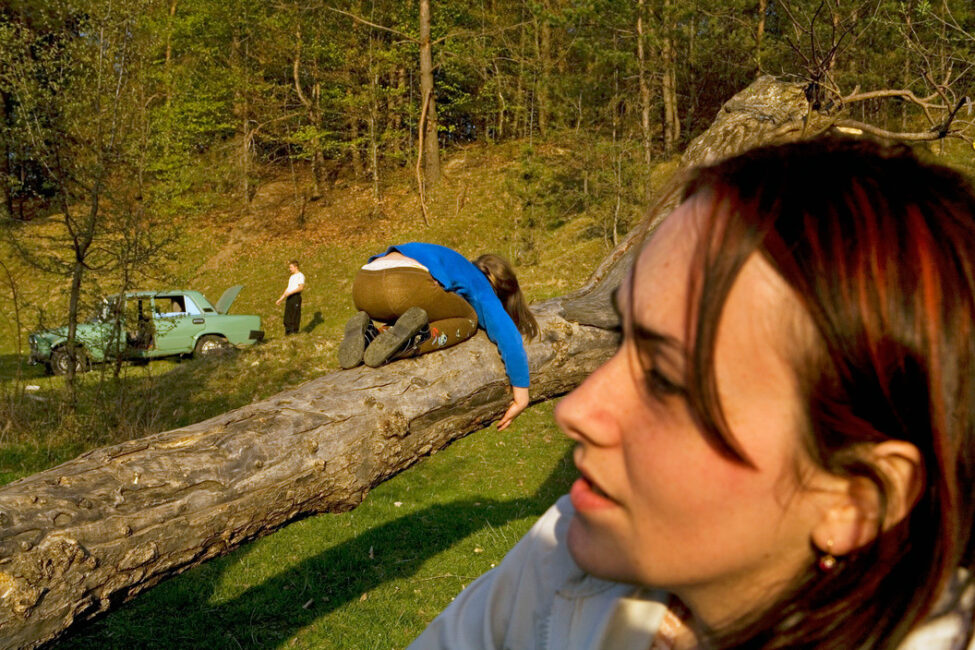
Carolyn Drake, UKRAINE. Rakovets. 2006. A young girl embraces a fallen tree in a field near the forest where her family is picnicking.
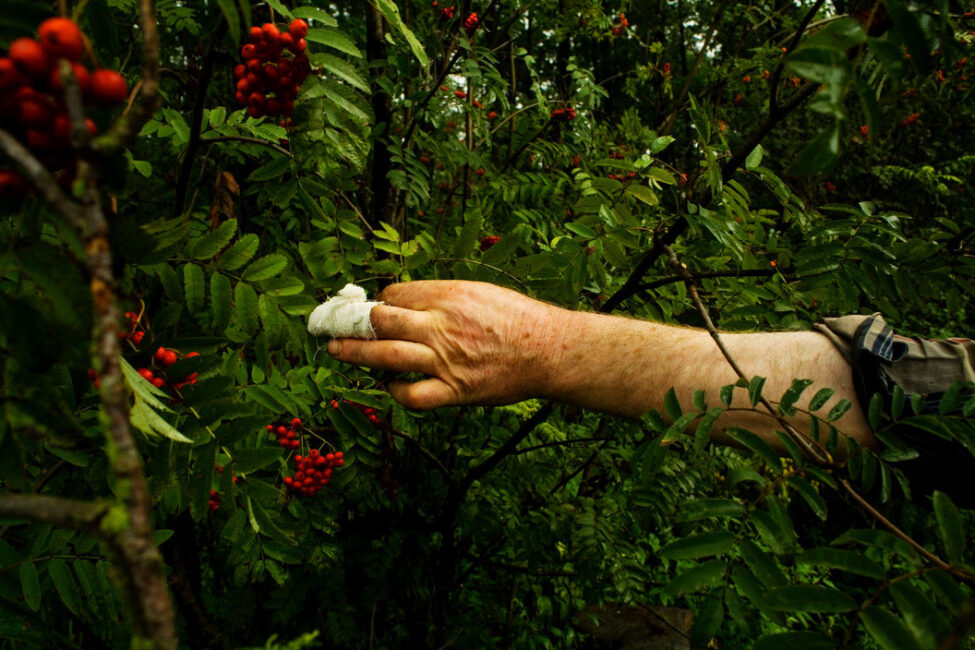
Carolyn Drake, UKRAINE. Pohulianka, Volhynia. 2006. A pensioner picks wild berries for tea from the forest. Volhynia, in the Northwest corner of present day Ukraine, is one of the oldest and most rural Slavic settlements in Europe. Villagers here still live off the land, picking wild mushrooms in the forests, growing vegetables on former collective farms, and raising livestock. While cultural traditions persist, opportunities for employment remain grim, over fifteen years after the fall of the Soviet Union.
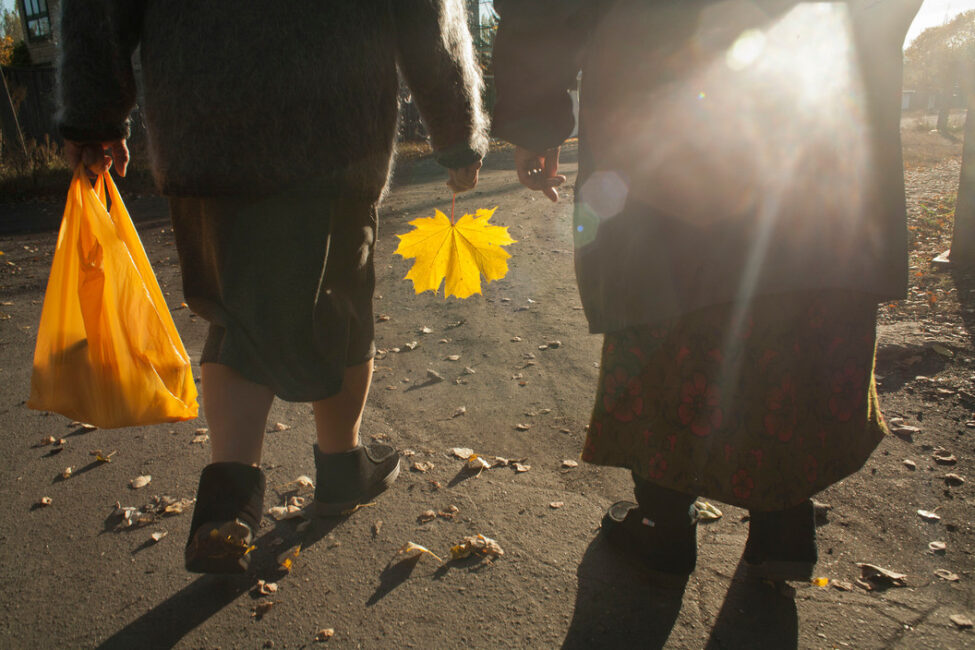
Carolyn Drake, UKRAINE. Donetsk. Torez. 2006. Pensioner friends walk home after a birthday party in their neighborhood. Torez was once a flourishing coal mining town. Under communism, miners' salaries were among the highest in the Soviet Union and miners were seen as national heroes. But since Ukrainian independence the coal industry has attracted little government investment. The mines here are deep and extraction unprofitable. With many mines in disrepair, safety has become an issue. Scores of them have been closed, leaving many miners jobless.
Carolyn Drake, UKRAINE. Torez, Donetsk Oblast. 2006. An engineer in her office at the town's coal mining administration building.
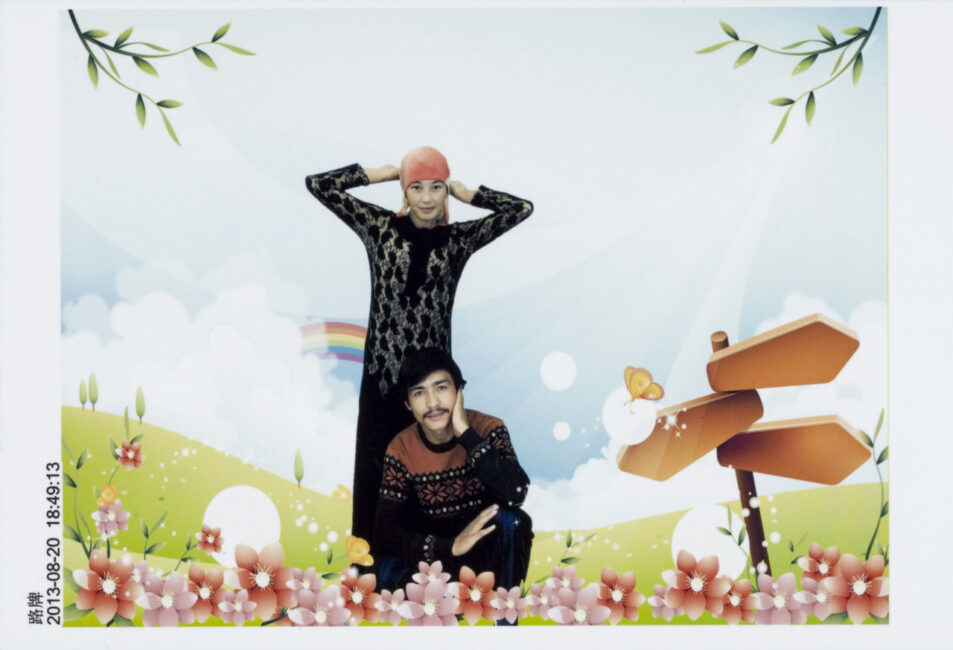
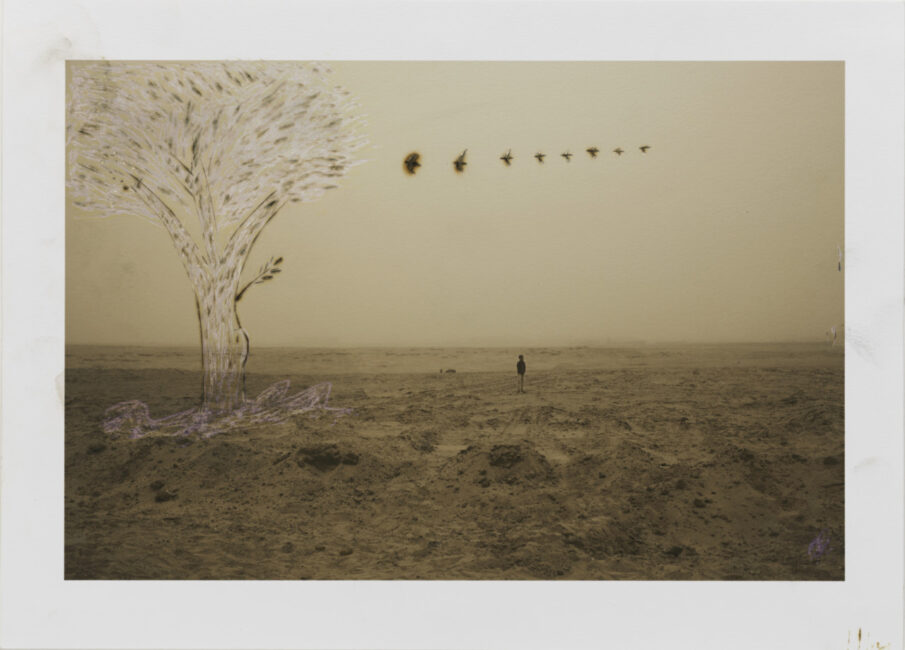
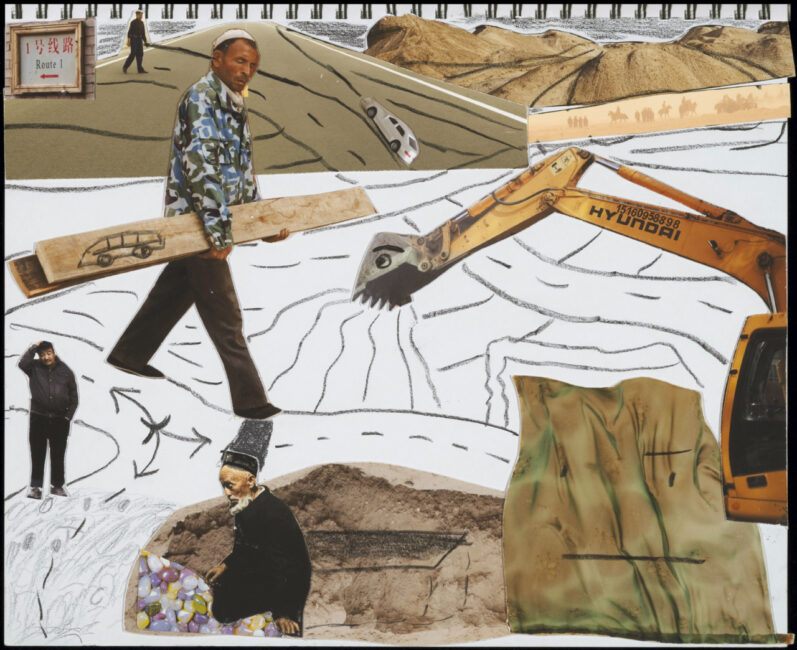
Carolyn Drake, CHINA. Xinjiang Uyghur Autonomous Region. 2013. Image burned into photo by an artist who sells carved gourds to tourists. His father used to carve elaborate horse saddles, but nobody does that job anymore, he said.
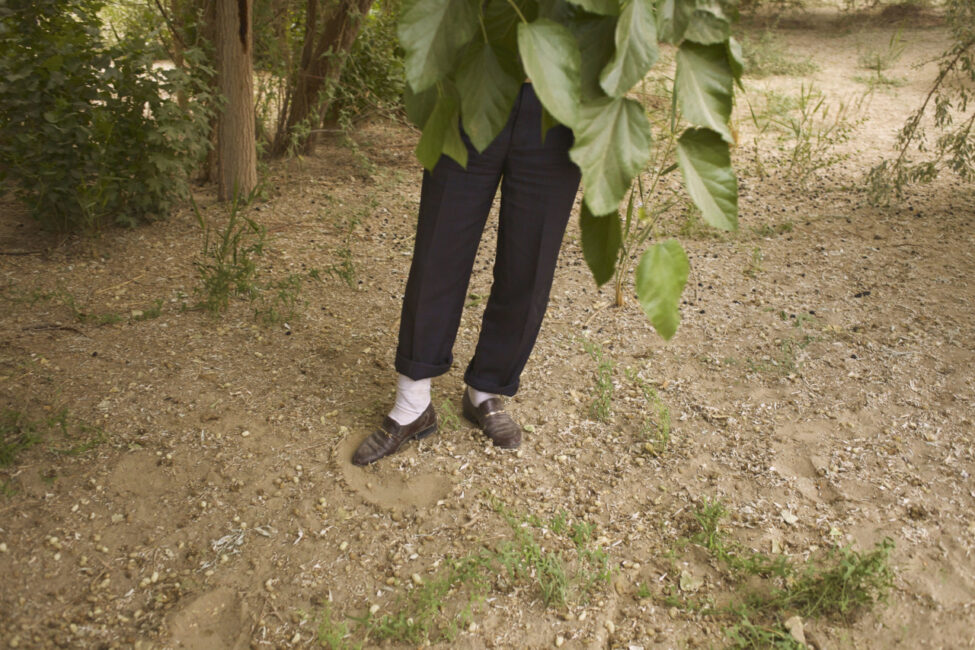
Carolyn Drake, China. Xinjiang Uyghur Autonomous Region. Hotan. 2008. Picking mulberries from a tree in a Uyghur farming village the desert's edge in southern Xinjiang.
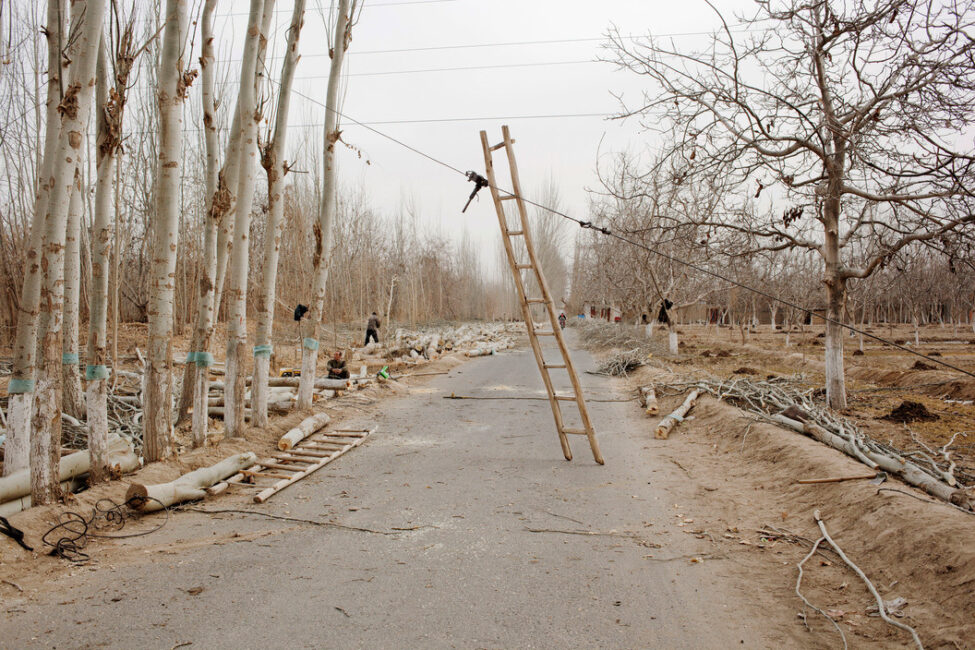
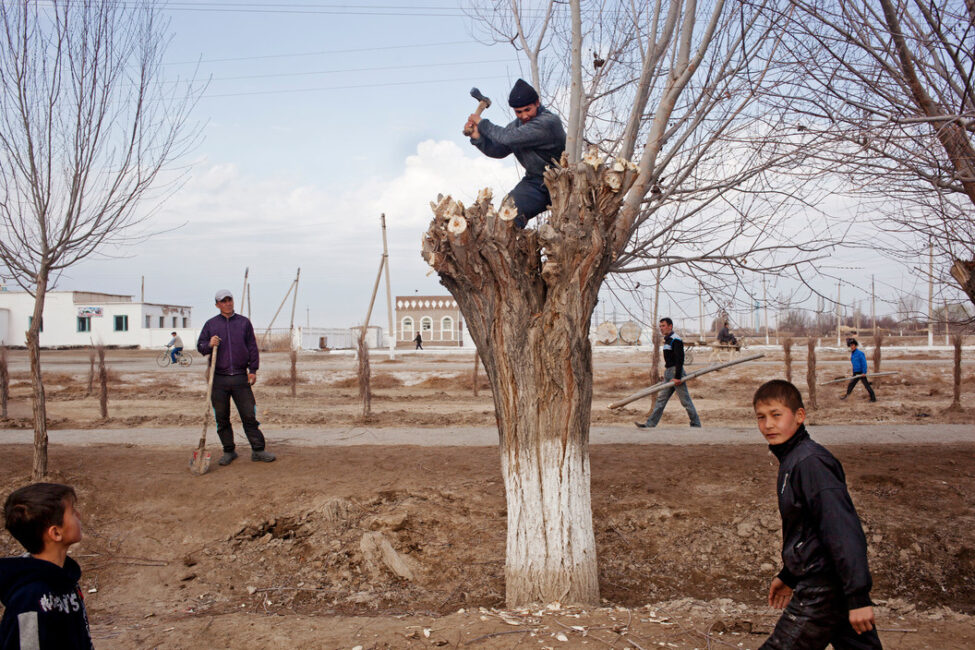
Carolyn Drake, China. Xinjiang Uyghur Autonomous Region. Hotan. 2008. Dust inhibiting trees lining a walnut grove are chopped down to make way for a wider highway through Uyghur farming villages on the southern edge of the Taklimakan desert.
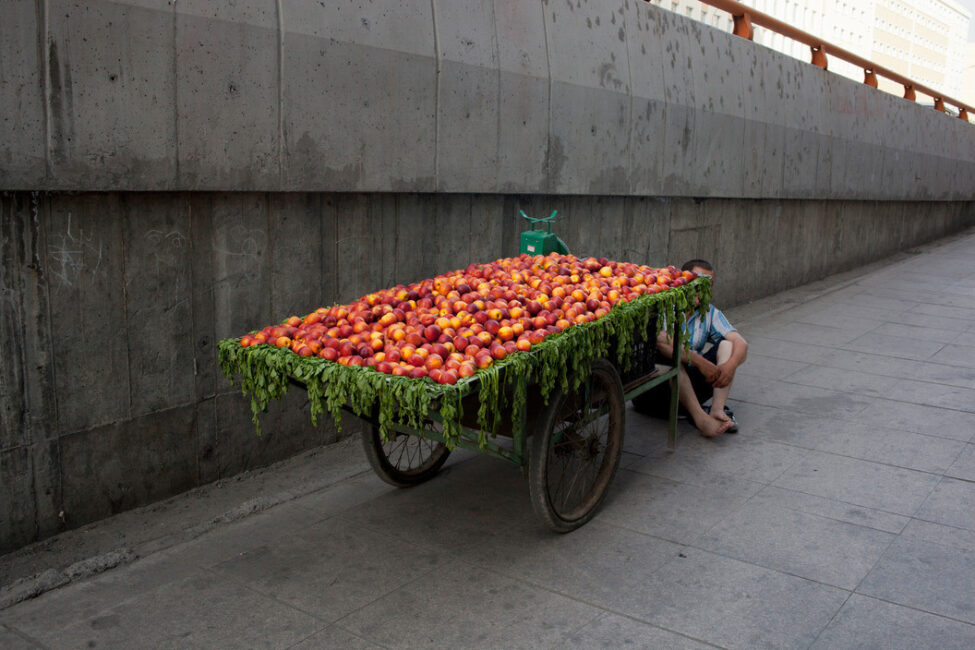
Carolyn Drake, China. Xinjiang Uyghur Autonomous Region. Urumqi. 2008. A Uyghur street vendor by the entrance to a highway in the Uyghur district of Urumqi.
Carolyn Drake, China. Xinjiang Uyghur Autonomous Region. Kashgar. 2009. Apartment complex built for Uyghurs displaced from their homes and businesses as the Old Town in Kashgar was torn down.
Carolyn Drake, China. Xinjiang Uyghur Autonomous Region. Hotan. White Jade River. 2013. A message about the soul of jade written by a Chinese jade carver.
Carolyn Drake, China. Xinjiang Uyghur Autonomous Region. Hotan. 2013. A view in the mountains.
Carolyn Drake
Carolyn Drake, UZBEKISTAN. KARAKALPAKSTAN. MOYNAQ. 2013. Monument commemorating the Aral Sea at the former fishing port in Moynaq. This was once the shore of the Aral Sea.
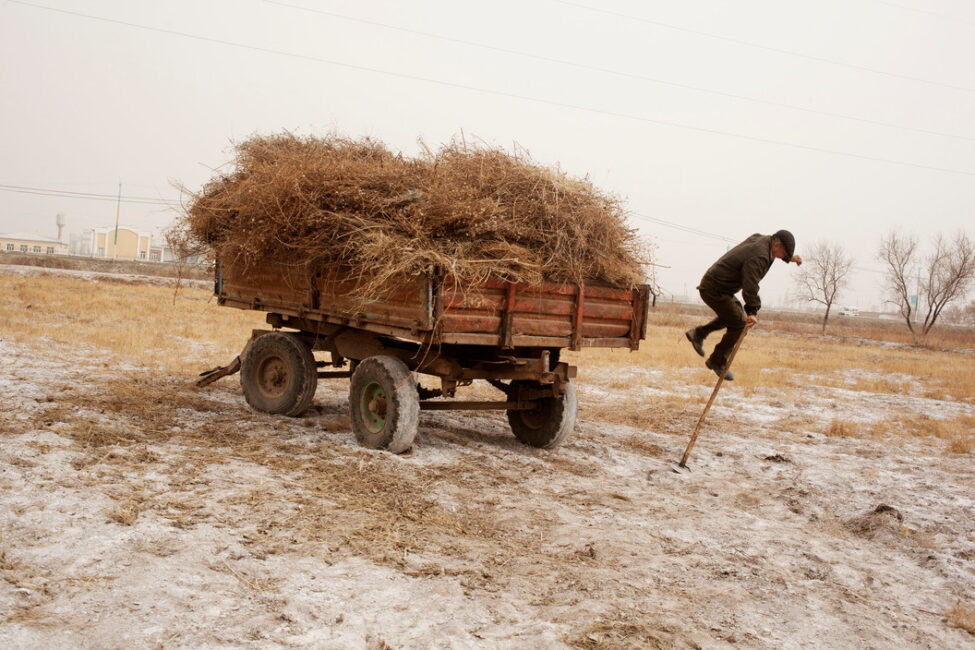
Carolyn Drake, UZBEKISTAN. 2013. Removing weeds from a salty field in Kara Uzak, 35km east of Chimbay.
Carolyn Drake, UZBEKISTAN. KARAKALPAKSTAN. KAZAN KETKEN. 2013. A morning in Kazan Ketken in the Amu Darya delta. The village’s name means “drowned pot.” It was named that because there used to be a big lake here, and one day someone dropped their pot in it and it sank.
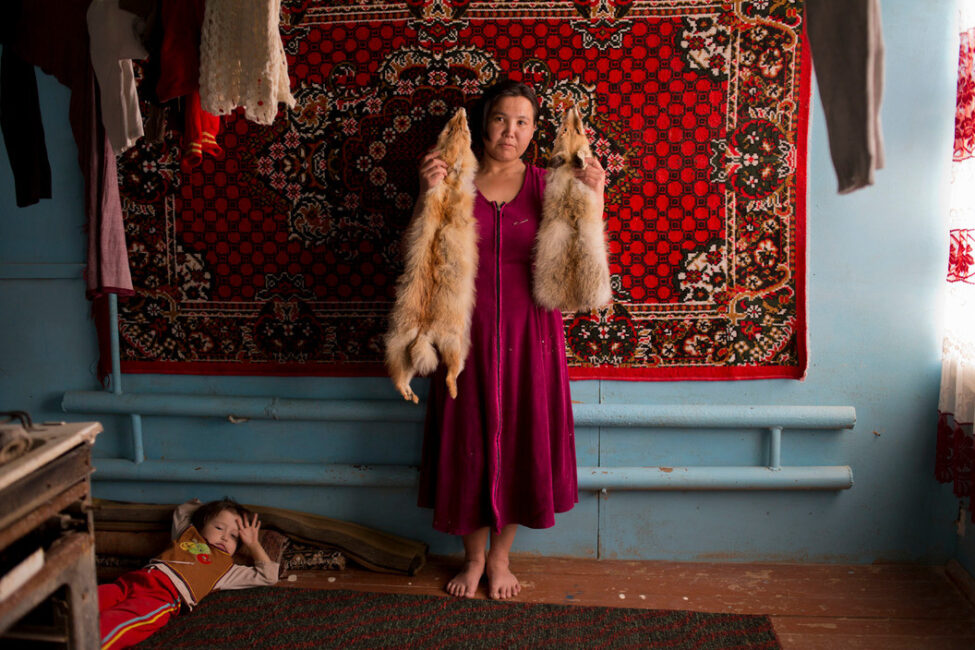
Carolyn Drake, UZBEKISTAN. KARAKALPAKSTAN. KUBLA USTYURT. 2013. In the entrance to her home on the Ustyurt Plateau, a woman shows the skins of fox her husband hunted. Hunting is banned here but it is an entrenched tradition and there are few other means of subsistence.
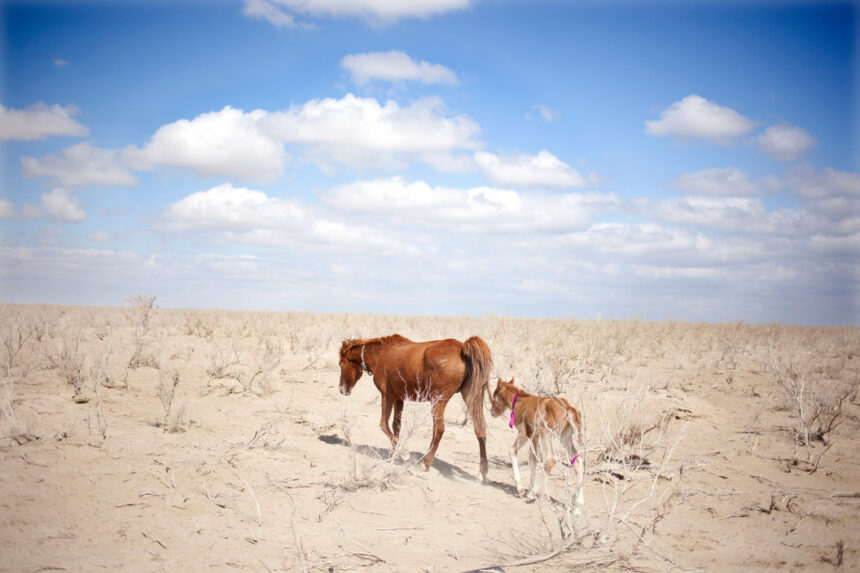
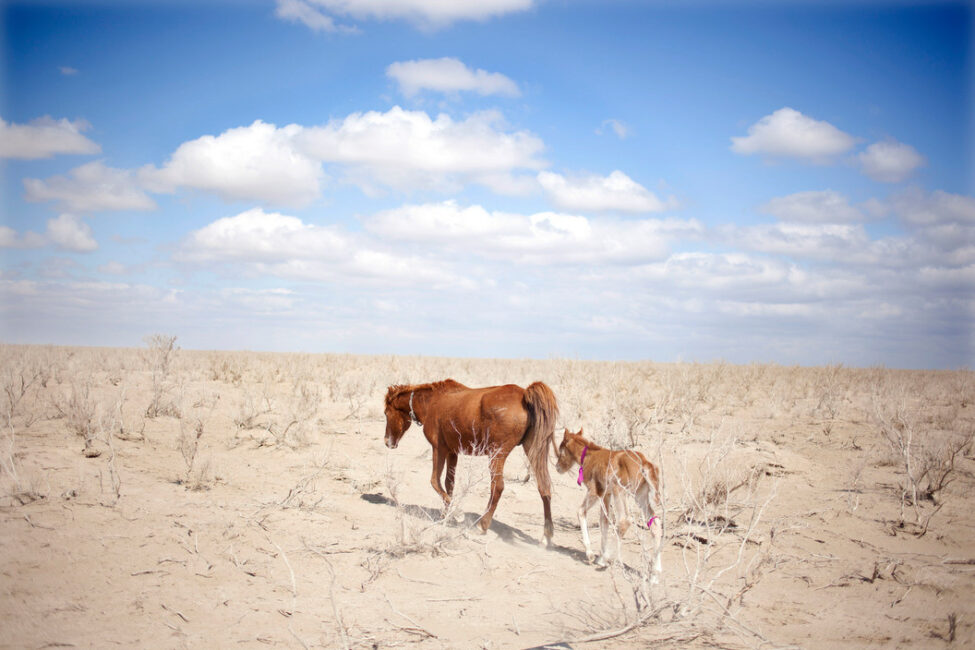
Carolyn Drake, UZBEKISTAN. Karakalpakstan. 2013. In Soviet times, villages in the Amu Darya delta were turned into collective farms and privately owned herds were confiscated. Families were able to acquire their own herds again after the Soviet Union collapsed, but since the Aral Sea had dried, finding food and water for the animals is difficult.
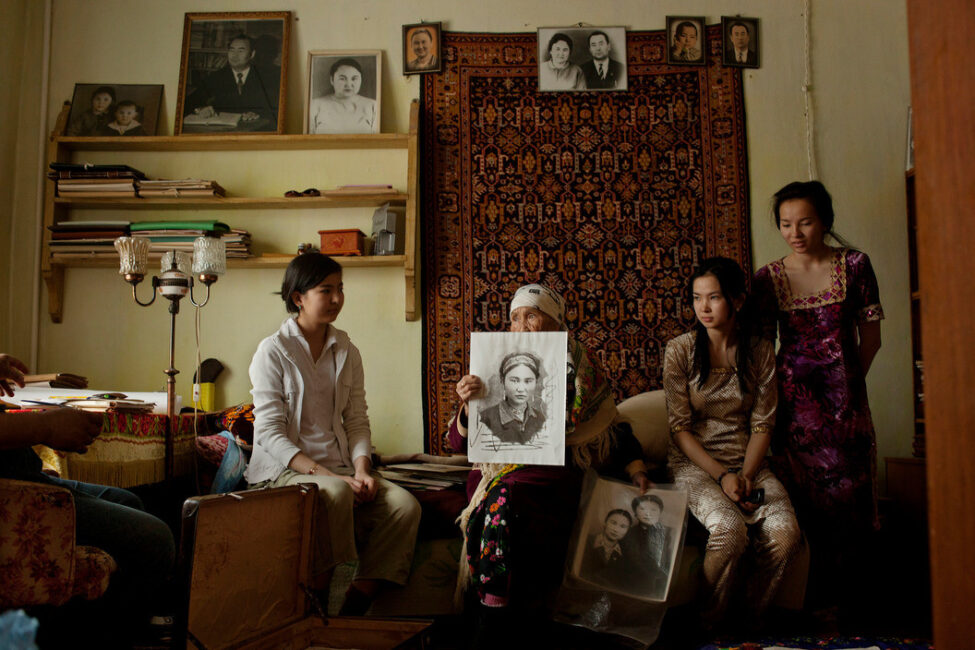
Carolyn Drake, UZBEKISTAN. KARAKALPAKSTAN. NUKUS. 2013. Yesemuratov family brings out their collection of old photos. The woman in the center is Raviya. Her father was executed for leading a resistance against the Bolsheviks in 1927, and she moved to Nukus on a large ship on the Amu Darya in 1941.
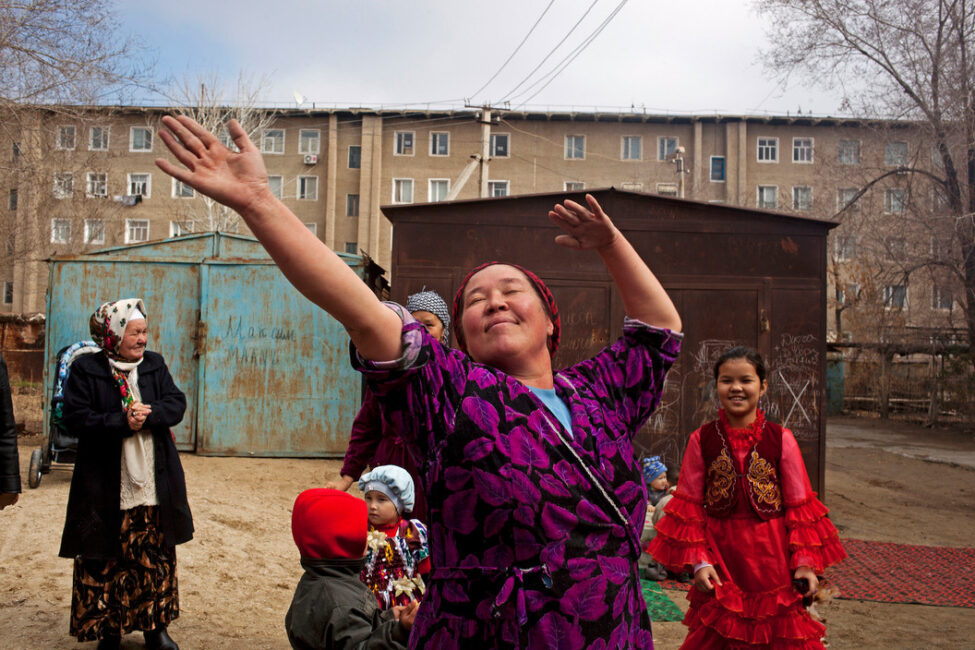
Carolyn Drake, UZBEKISTAN. KARAKALPAKSTAN. NUKUS. 2013. Navrus celebration. Navrus is an ancient Zoroastrian festival celebrated on the first day of spring. It was celebrated in secret during Soviet times, but now its an official state holiday. Each apartment bloc in Nukus has their own communal festival.
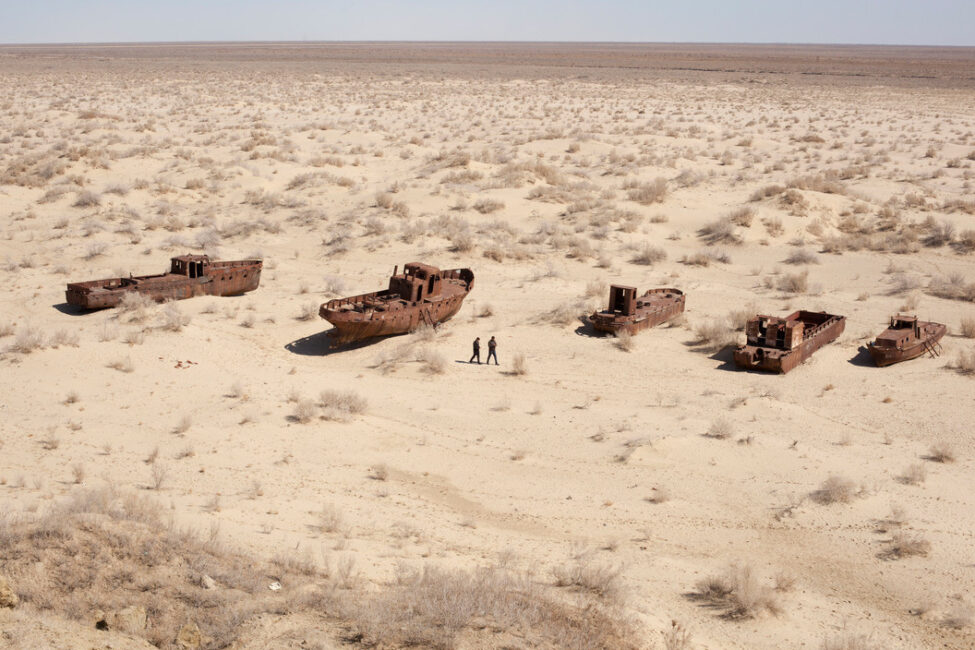
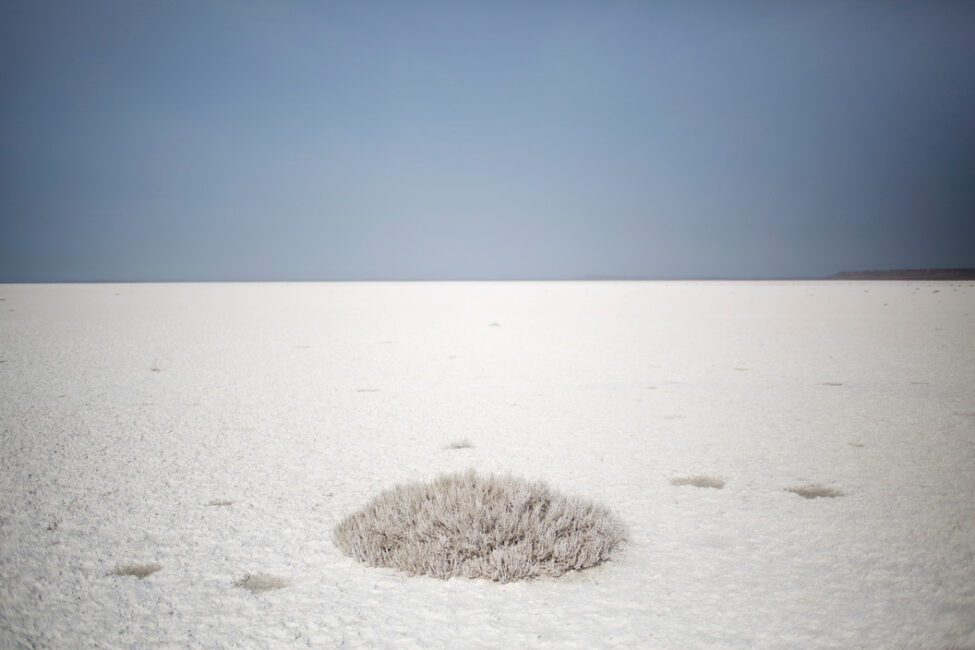
Carolyn Drake, KAZAKHSTAN. 2013. Former Aral Sea on the road from Aralsk to Jambul. The Aral Sea used to be the fourth largest lake on earth. Water diversions for Soviet cotton irrigation beginning in the 1960s caused it to shrink to a tiny fraction of its original size, and this has affected the ecology and climate of the entire region. The former seabed lies half in Kazakhstan and half in Uzbekistan.
Carolyn Drake
Carolyn Drake, USA. Water Valley, Mississippi. 2019. From the project, "Knit Club."
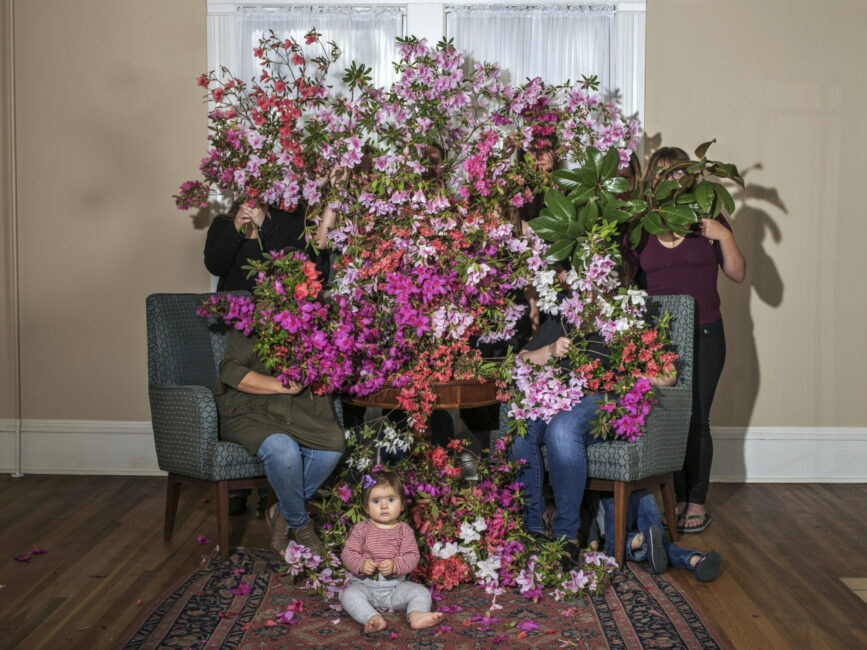
Carolyn Drake, USA. Yalobusha County, Mississippi. 2017. Sip and See.
Carolyn Drake, USA. Water Valley, Mississippi. 2019. From the project, "Knit Club."
Carolyn Drake, USA. Water Valley, Mississippi. 2019. From the project, "Knit Club."
Carolyn Drake, USA. Water Valley, Mississippi. 2019. From the project, "Knit Club."
Carolyn Drake, USA. Water Valley, Mississippi. 2018. These images were made in conjunction with women who are part of a Knit Club in the small town of Water Valley.
Carolyn Drake, USA. Water Valley, Mississippi. 2018. These images were made in conjunction with women who are part of a Knit Club in the small town of Water Valley.
Carolyn Drake, USA. Water Valley, Mississippi. 2018. From the project, "Knit Club."
Carolyn Drake, USA. Water Valley, Mississippi. 2018. These images were made in conjunction with women who are part of a Knit Club in the small town of Water Valley.
Carolyn Drake,UKRAINE. Ternopil. Petrykhiv. 2014. Marishka, 20, on the couch. Eighty girls live in near isolation in the Petrykhiv Children's building, a Soviet institution built in the 1960s to house girls with mental disabilities. Once a month they're permitted to leave the premises. They go shopping, eat pizza, and bowl.
Carolyn Drake, UKRAINE. Ternopil. Petrykhiv. 2014. Luba, 20, dressed as a flower for the spring recital. Eighty girls live in near isolation in the Petrykhiv Children's building, a Soviet institution built in the 1960s to house girls with mental disabilities. Once a month they're permitted to leave the premises. They go shopping, eat pizza, and bowl.
Carolyn Drake, UKRAINE. Petrokhiv. Ternopil. 2014. The Internat Children's Home, a Soviet-era institute wedged between the forest and the new suburb of Petrykiv.
Carolyn Drake, UKRAINE. Petrokhiv. Ternopil. 2016. The Internat Children's Home, a Soviet-era institute wedged between the forest and the new suburb of Petrykiv.
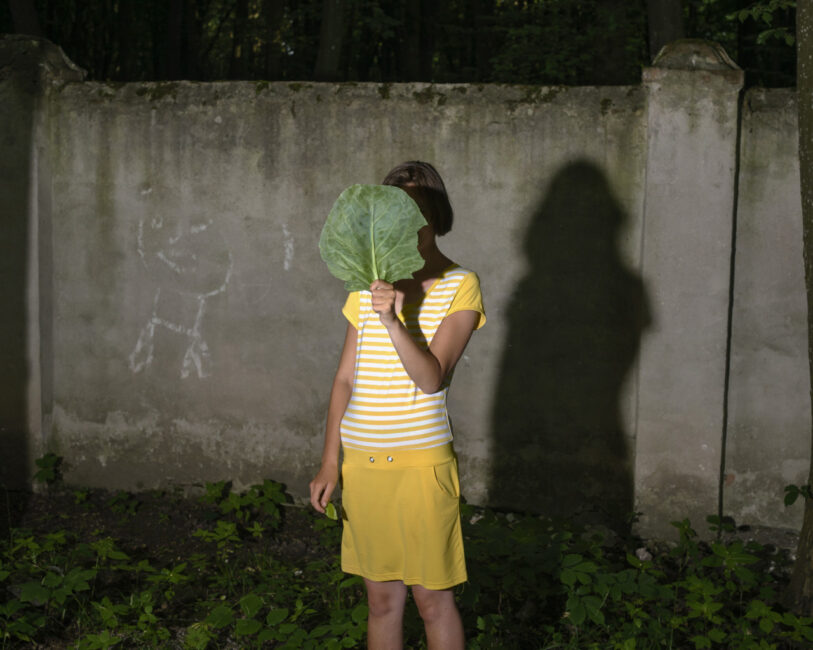
Carolyn Drake, UKRAINE. Ternopil. Petrykhiv. 2016.
Oksana with a leaf of cabbage from the garden of the Internat where she lives in isolation with more than 60 girls and women categorized as disabled.
Carolyn Drake, UKRAINE. Petrokhiv. Ternopil. 2014. Ira and other residents at the Internat Children's Home, a Soviet-era institute wedged between the forest and the new suburb of Petrykiv, play in the grounds of the home.