Δώρα Τσιτσικλή – Τα στρατιωτικά (συμμαχικά) νεκροταφεία της Θεσσαλονίκης
11η ημέρα του 11ου μήνα, ώρα 11η.
Τότε τέθηκε σε ισχύ η ανακωχή (Remembrance Day) και υπογράφηκε η λήξη του Ά Παγκοσμίου Πολέμου (1918)
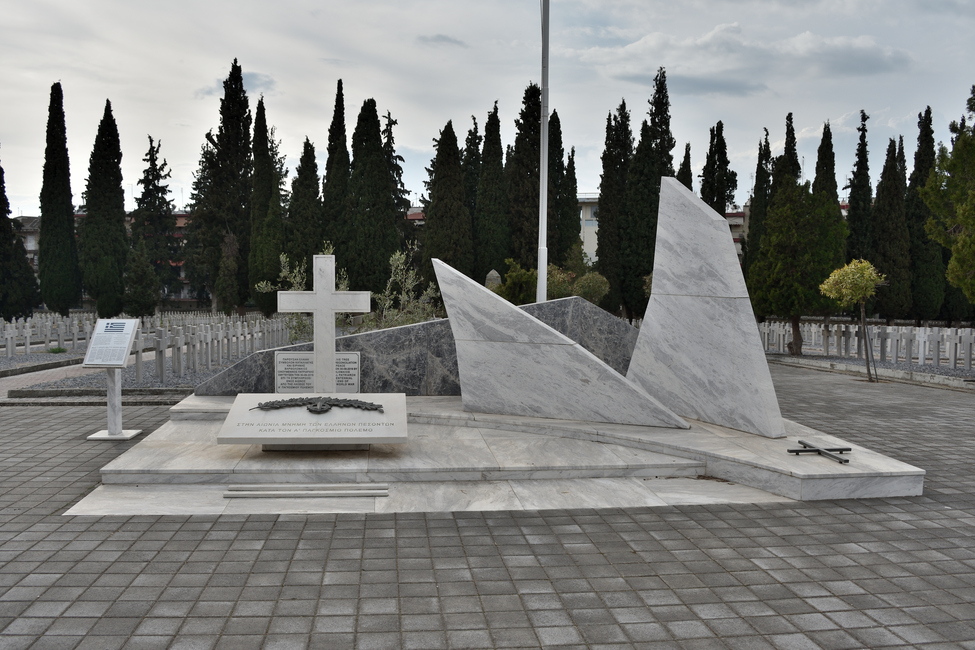
Αυτή τη μέρα γίνονται κάθε χρόνο οι εκδηλώσεις μνήμης στο Ζέιτενλικ, στα γνωστά Συμμαχικά της οδού Λαγκαδά, τη μεγαλύτερη στρατιωτική νεκρόπολη των Βαλκανίων.
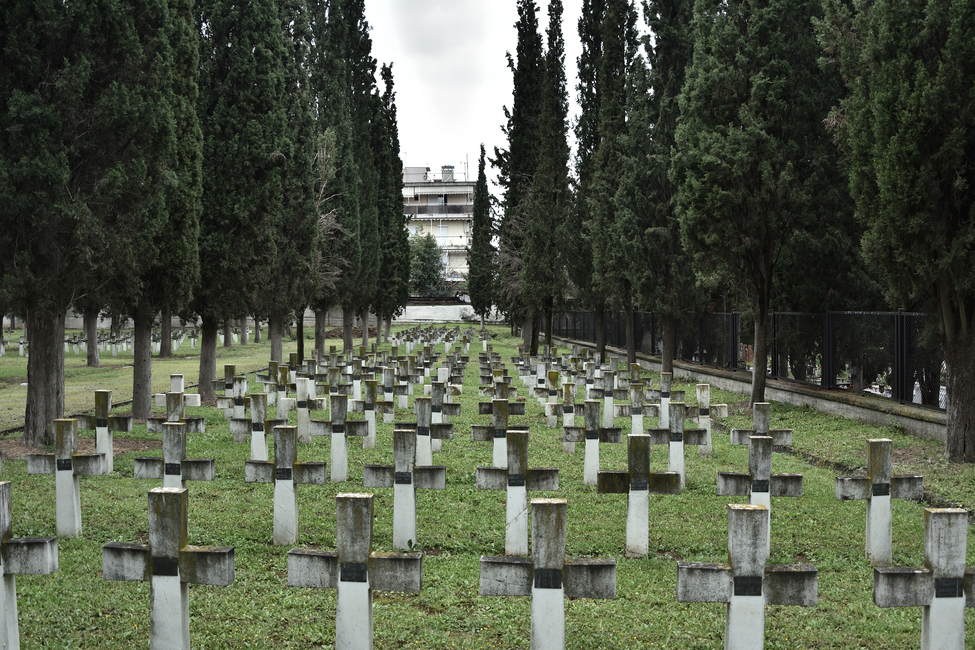
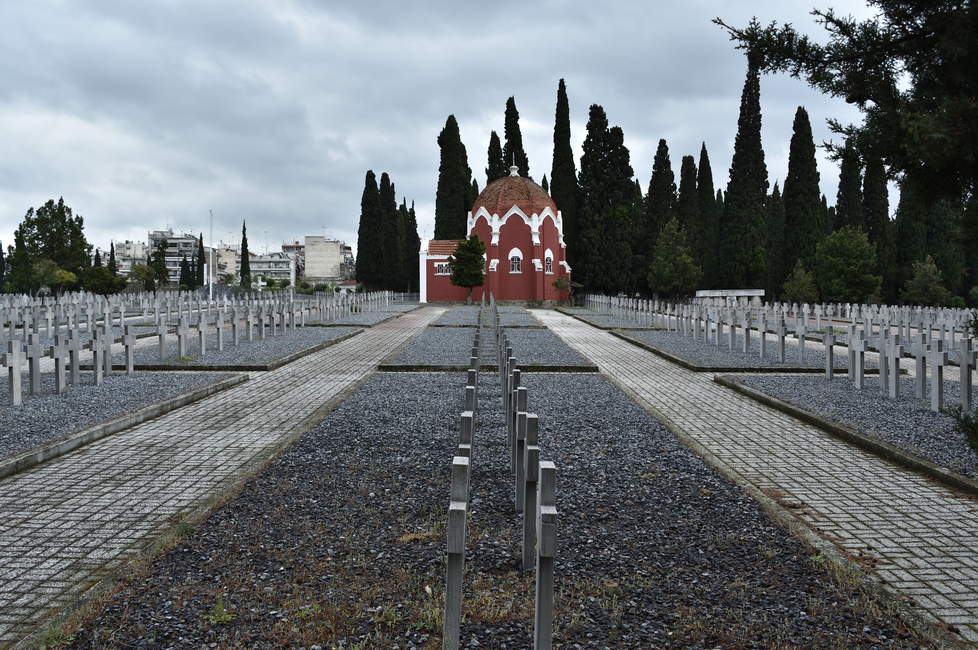
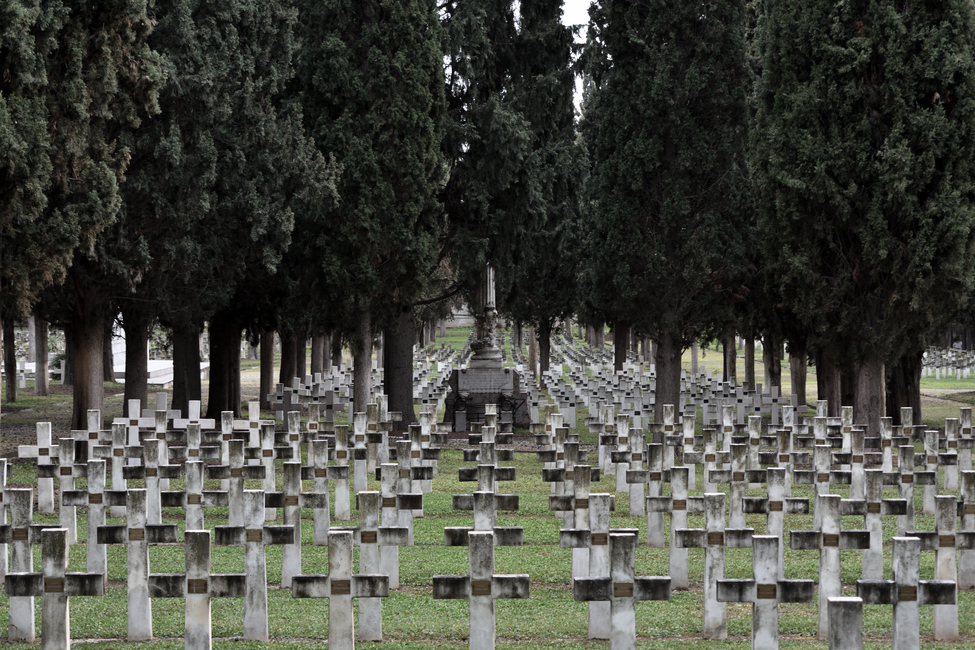
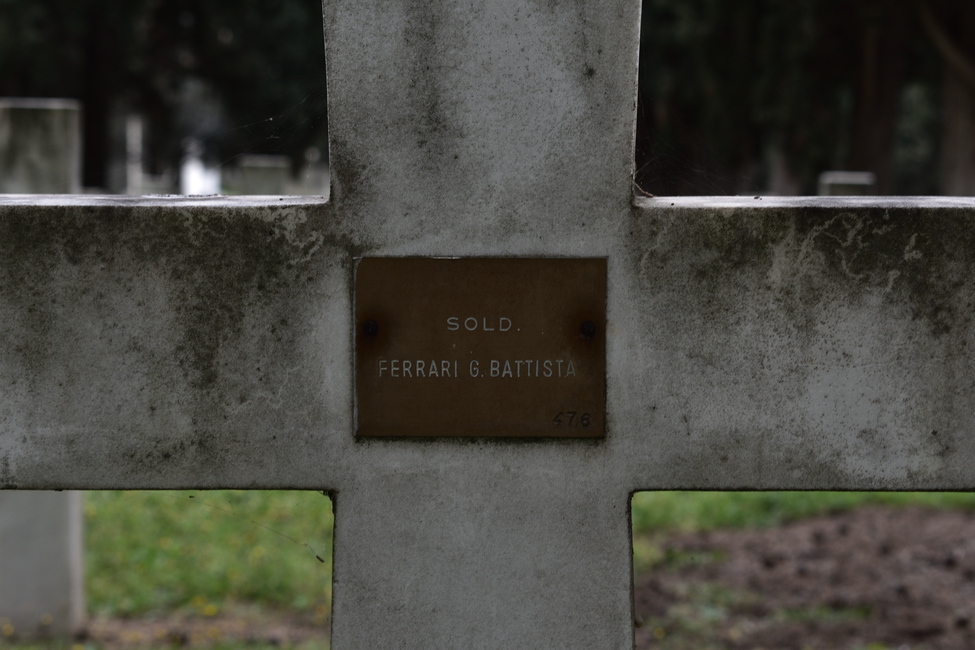
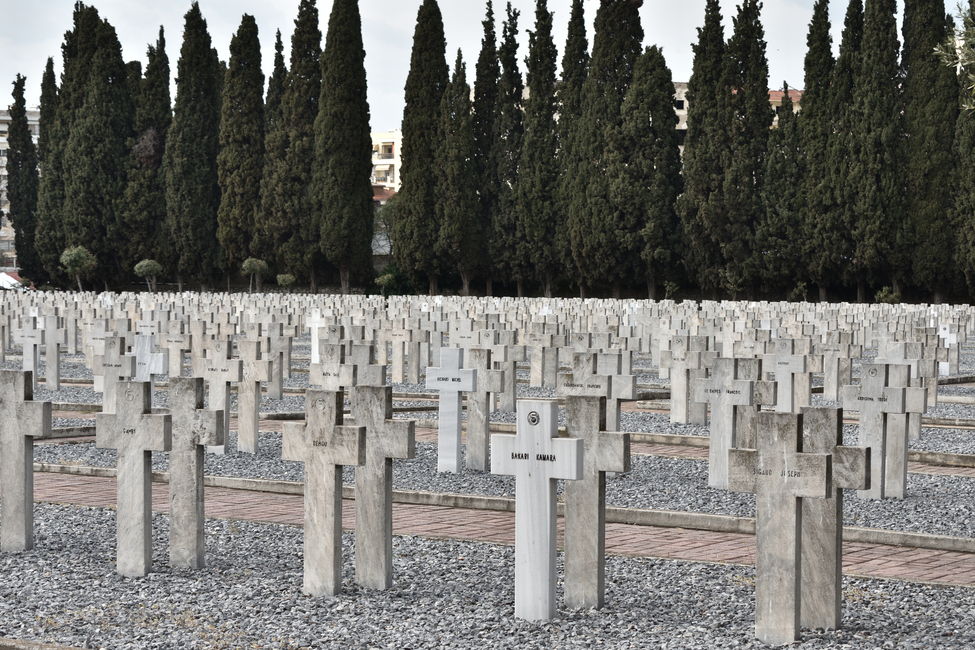
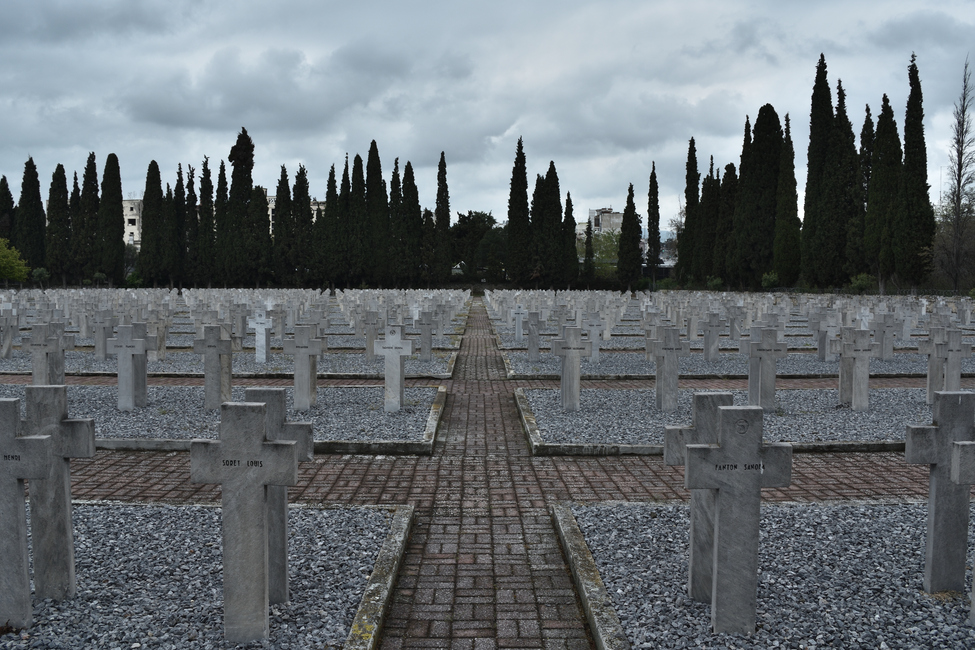
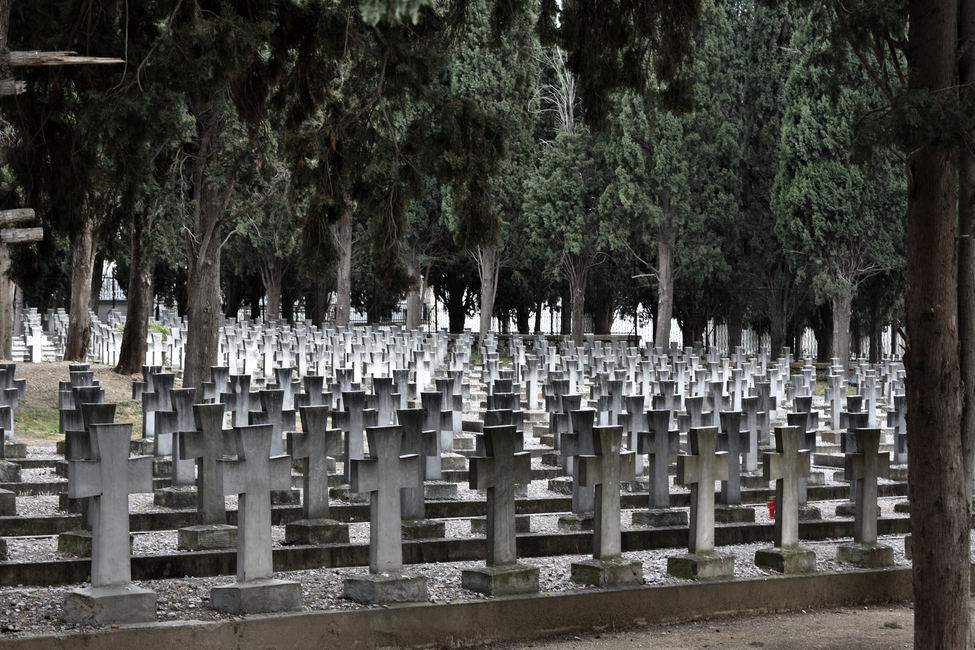
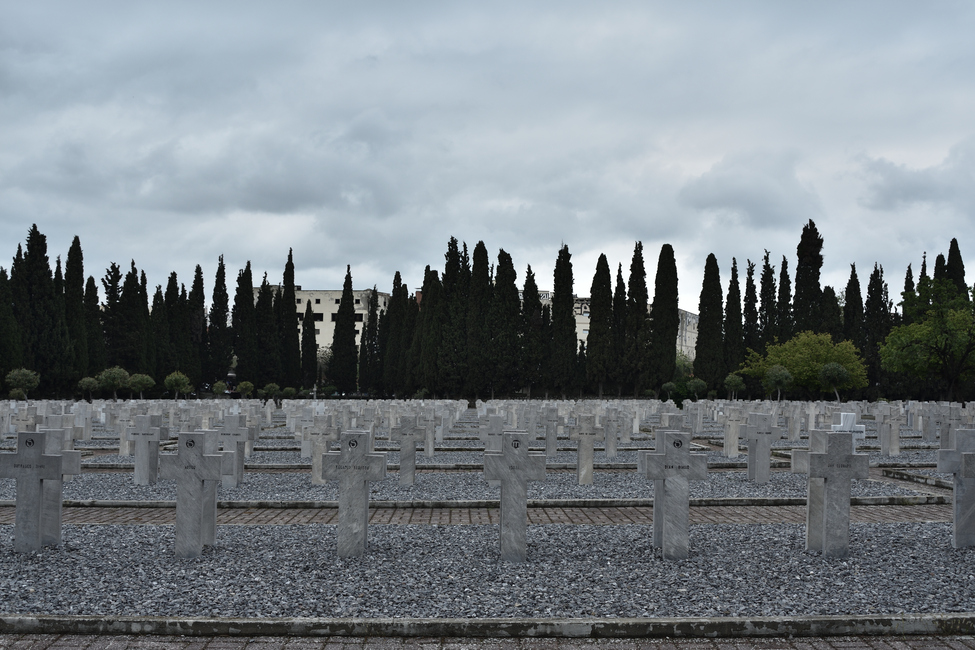
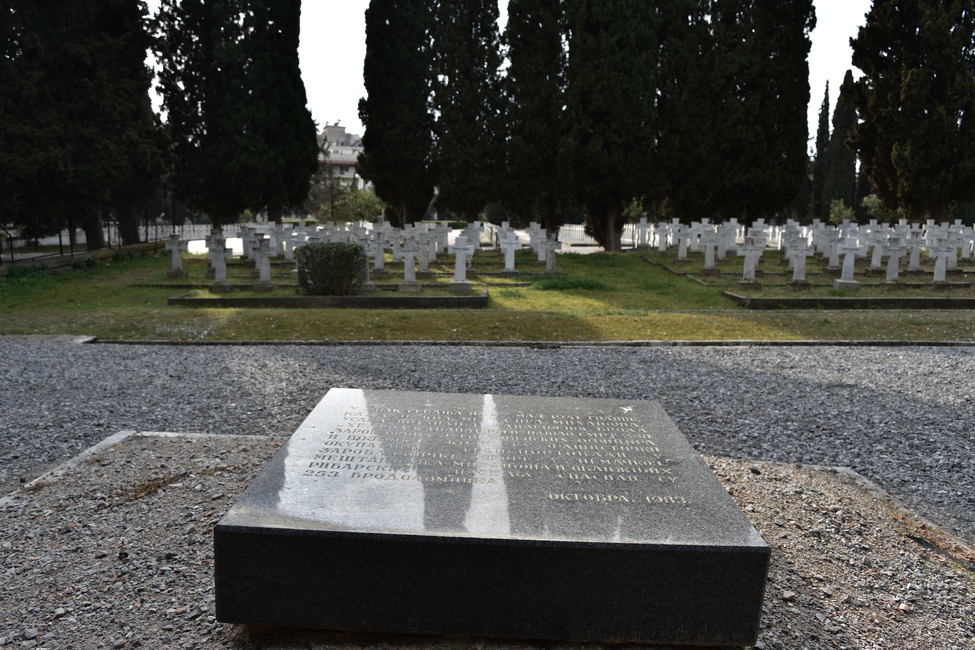
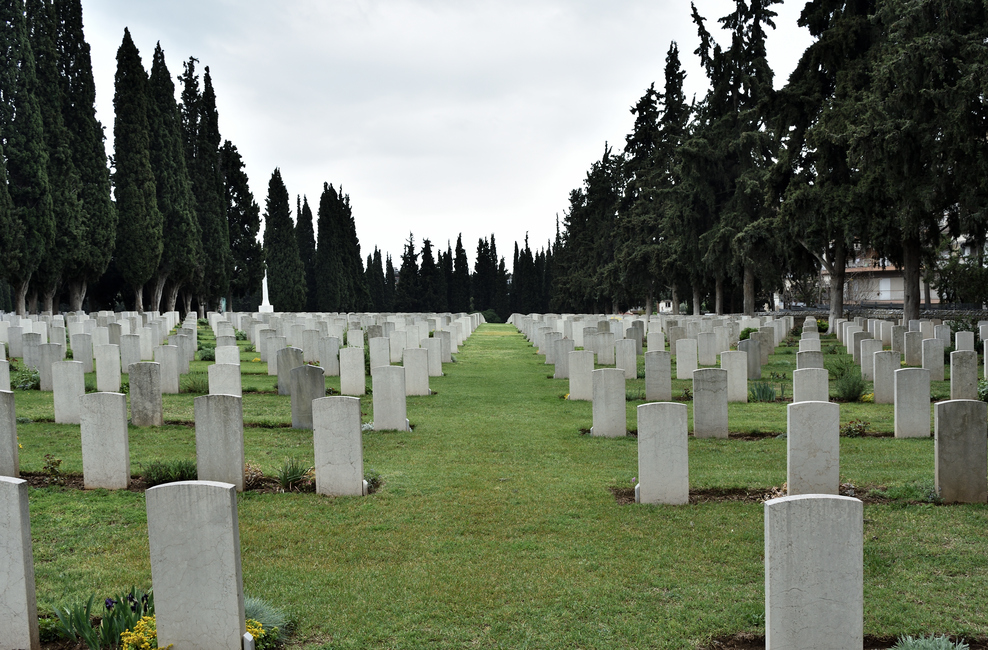
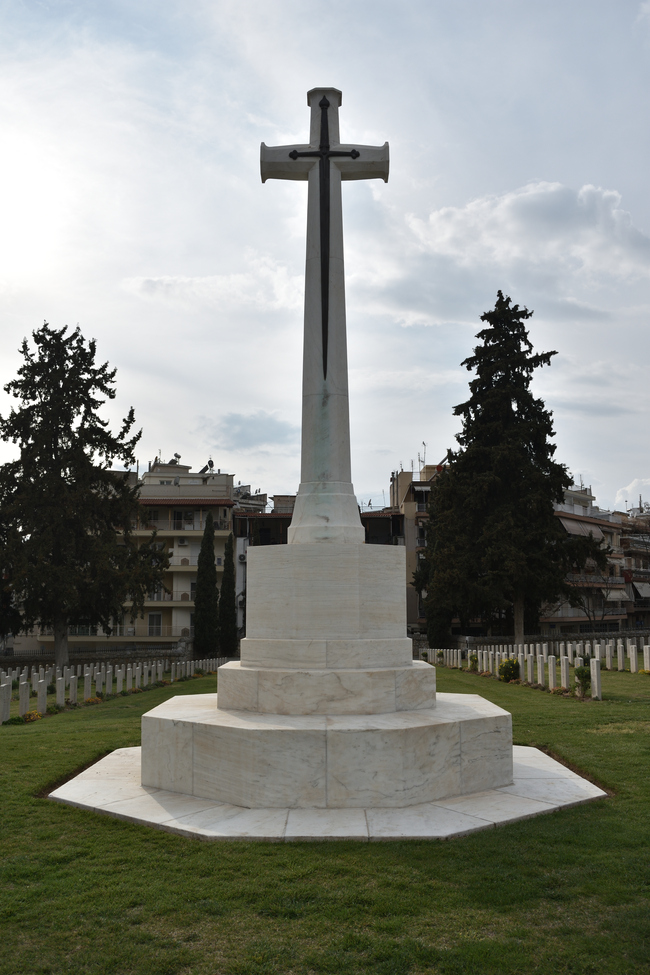
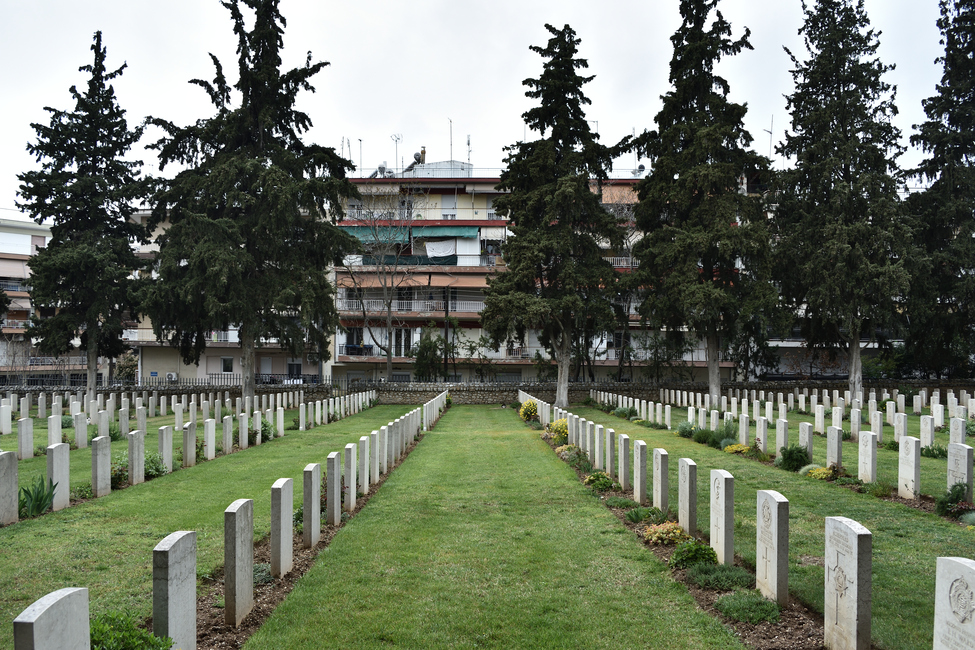
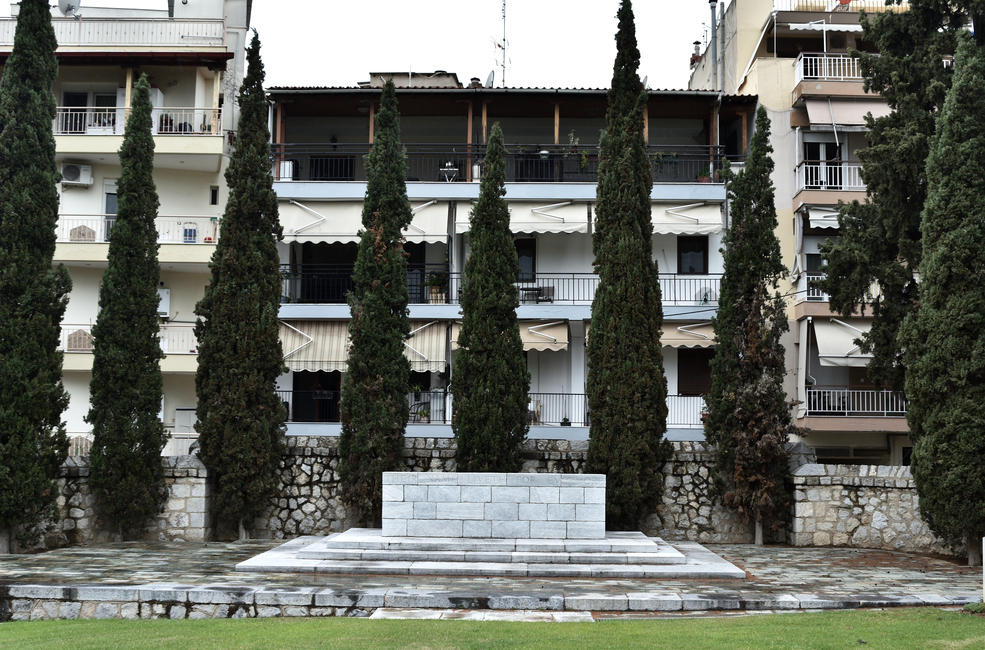
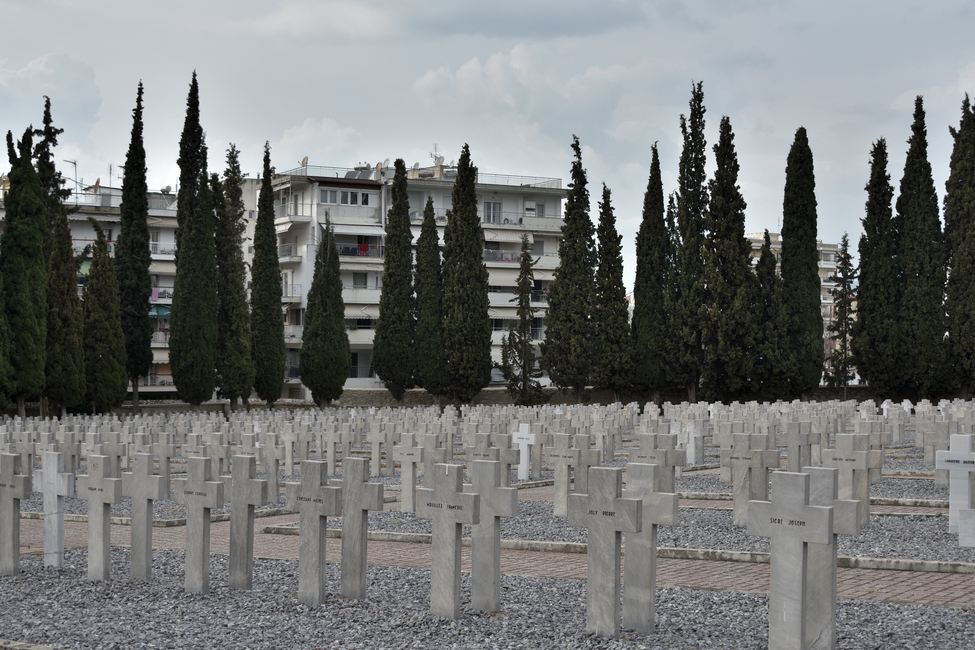
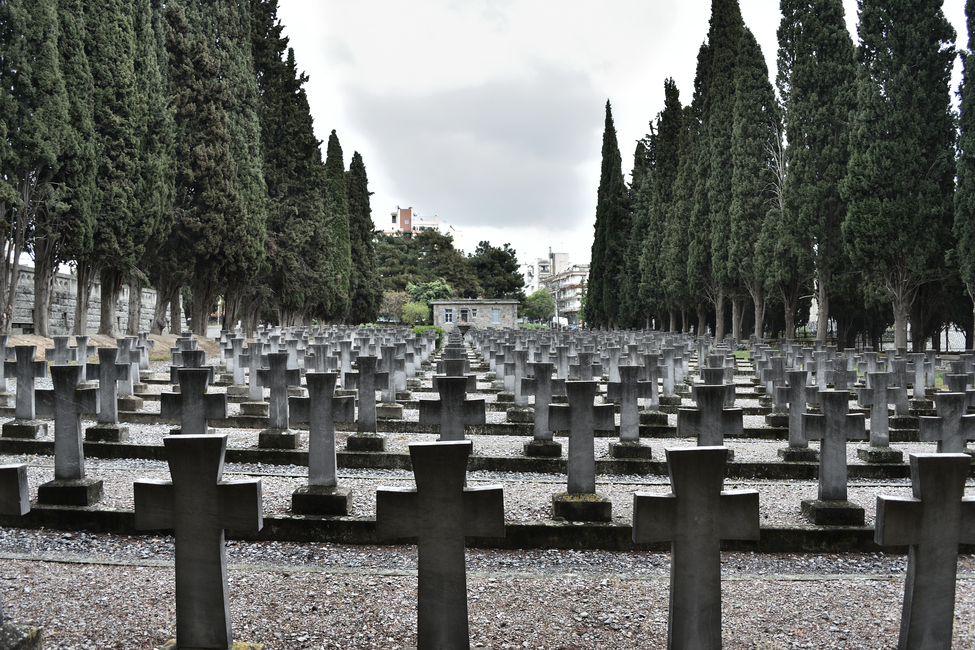
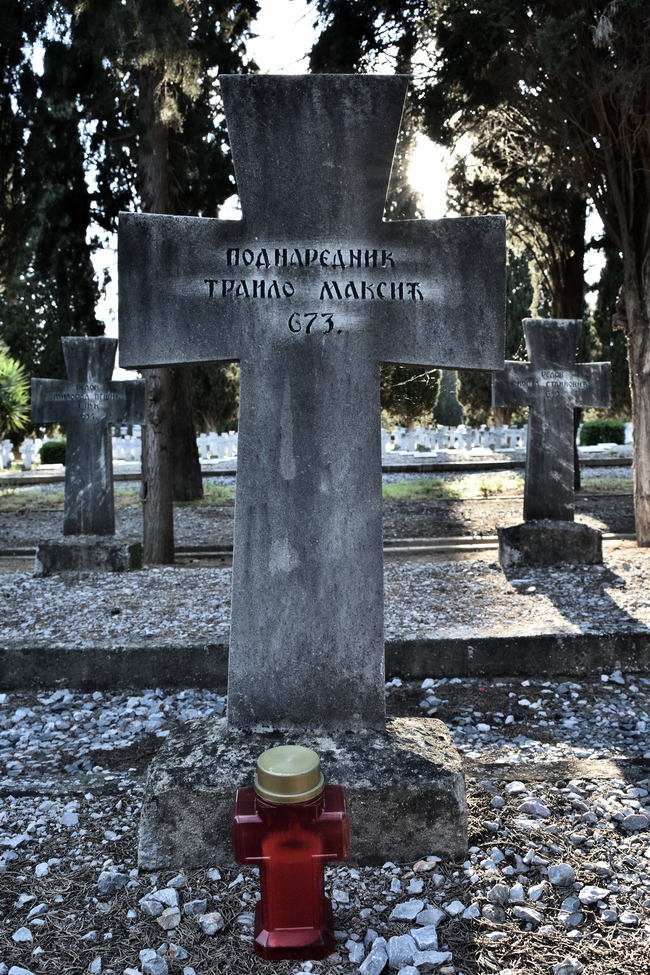
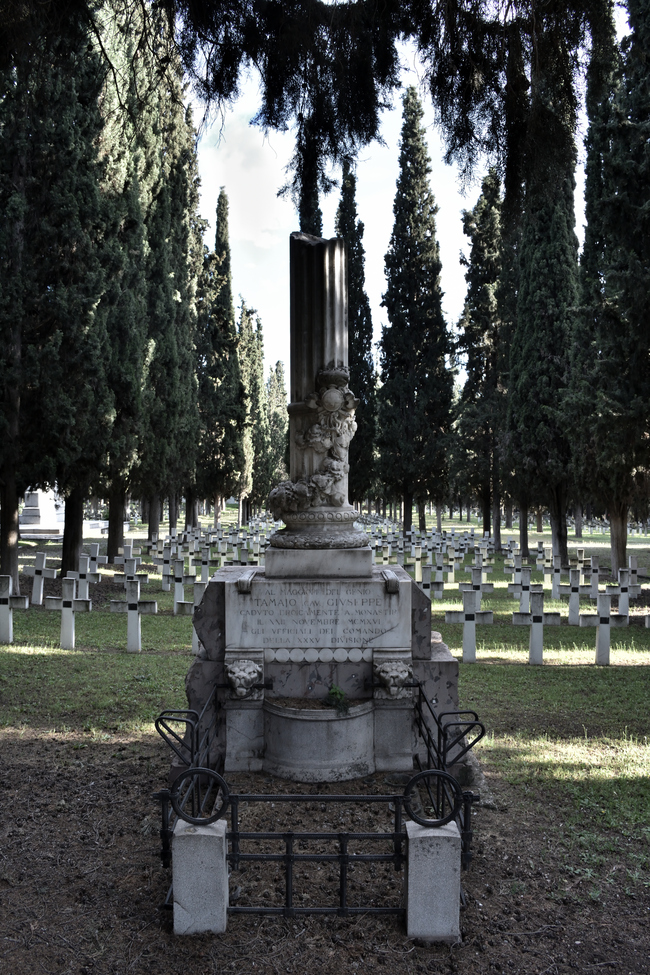
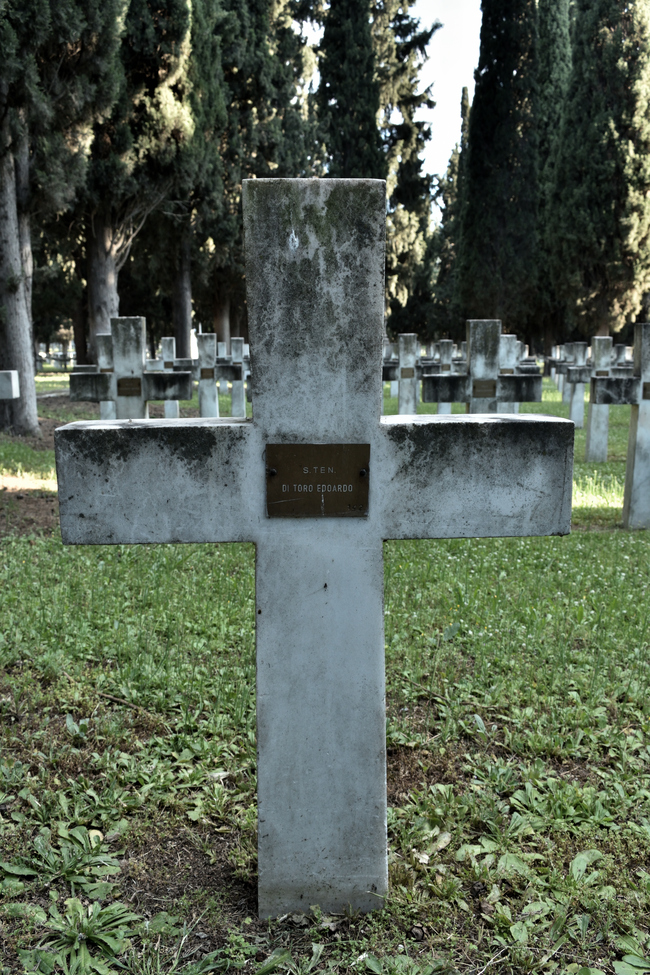
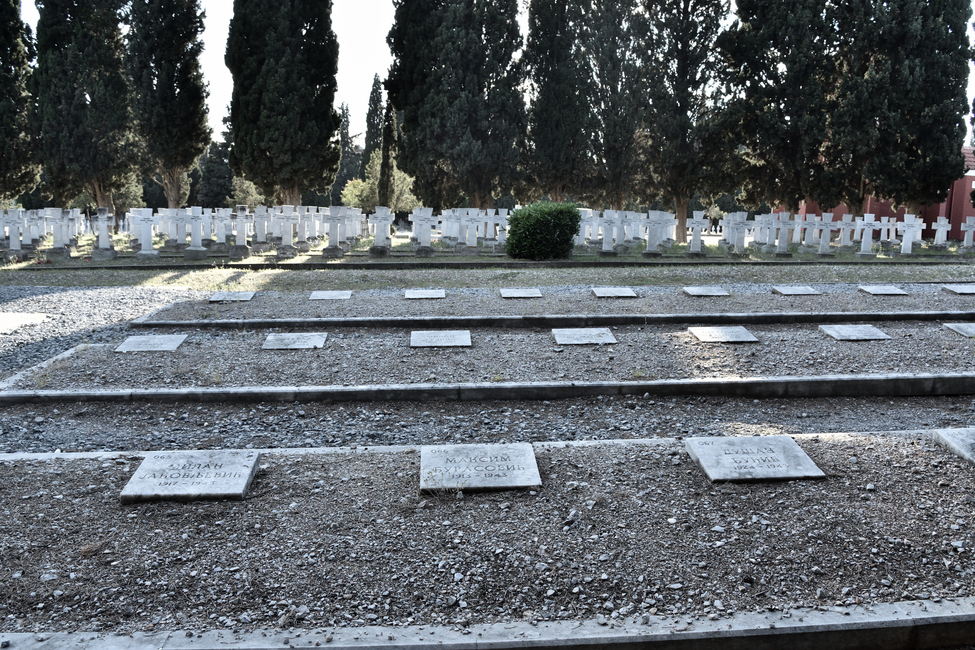
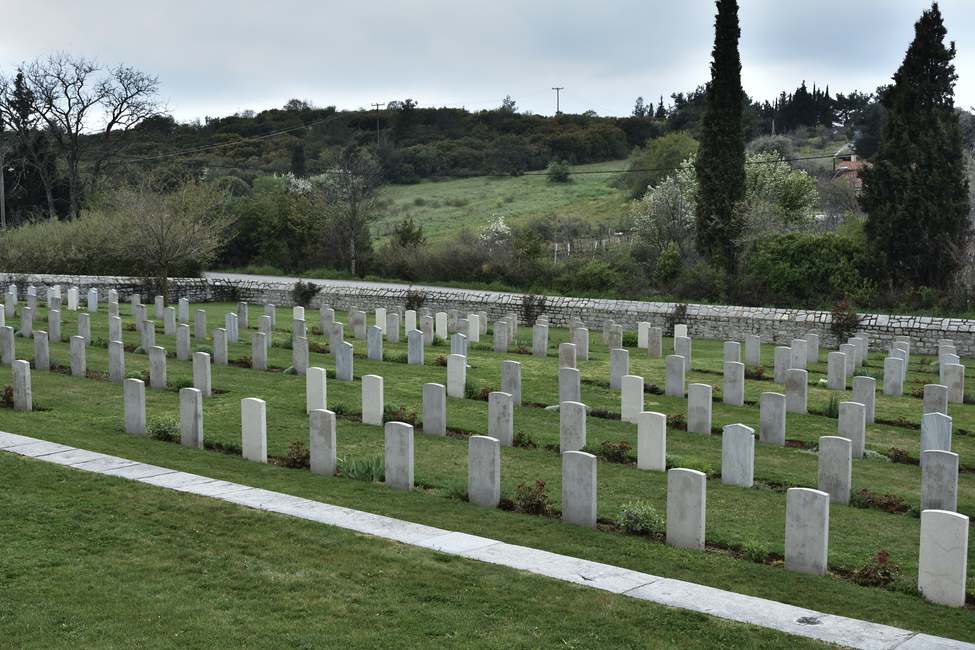
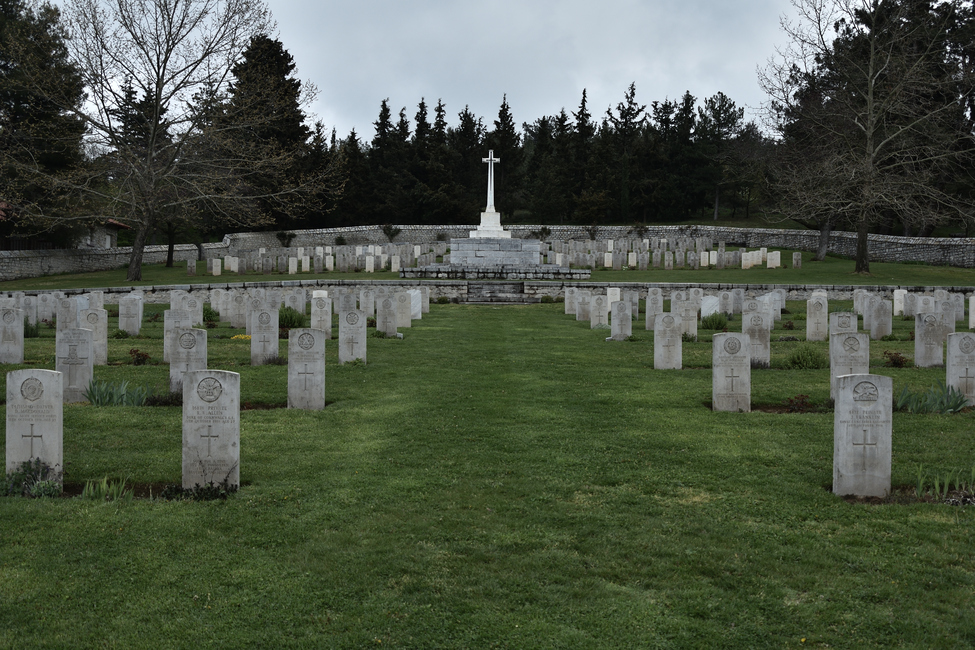
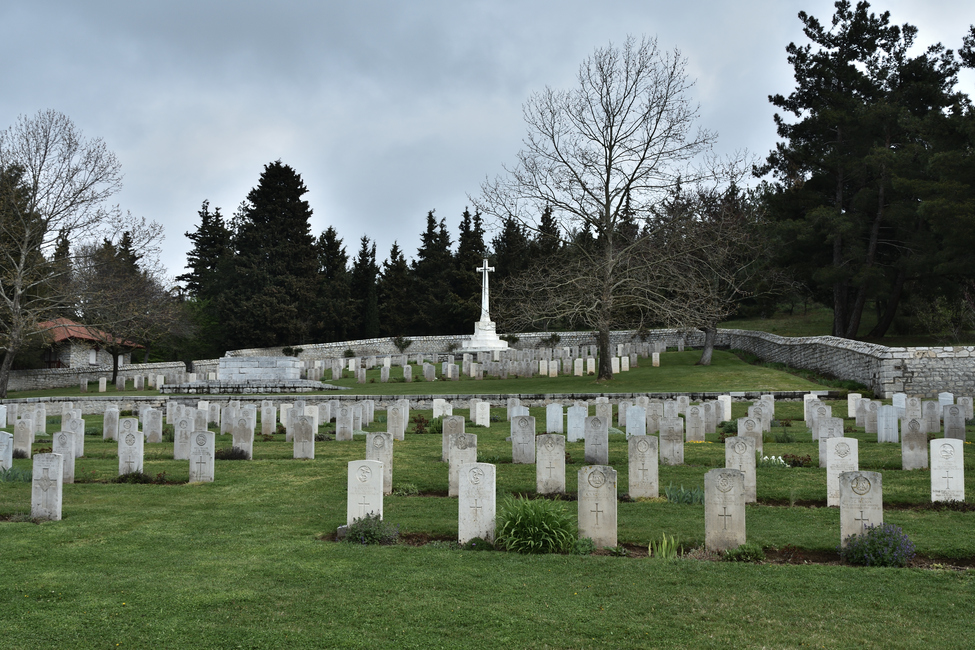
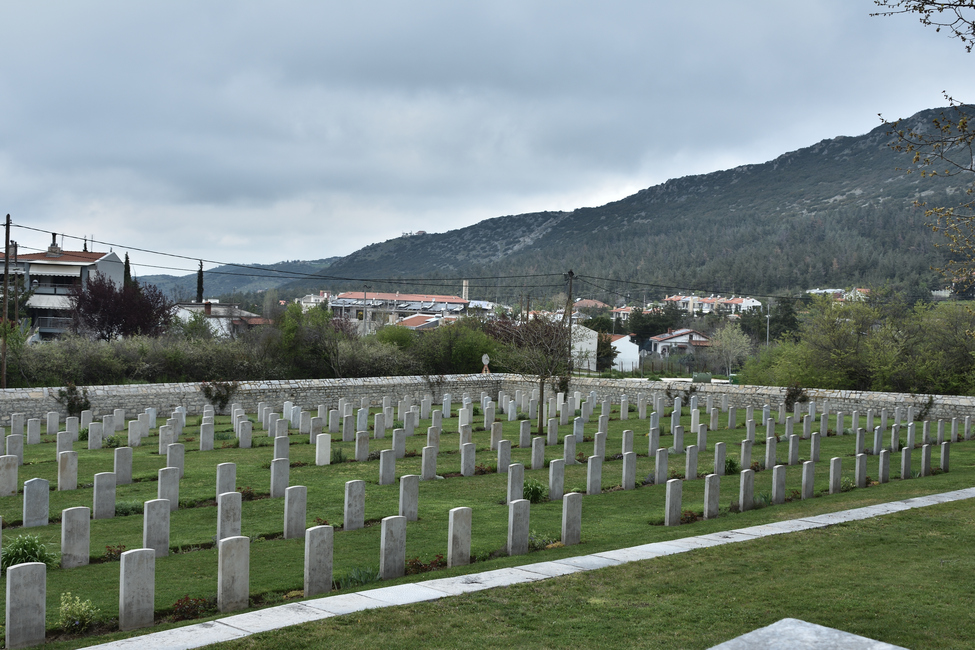
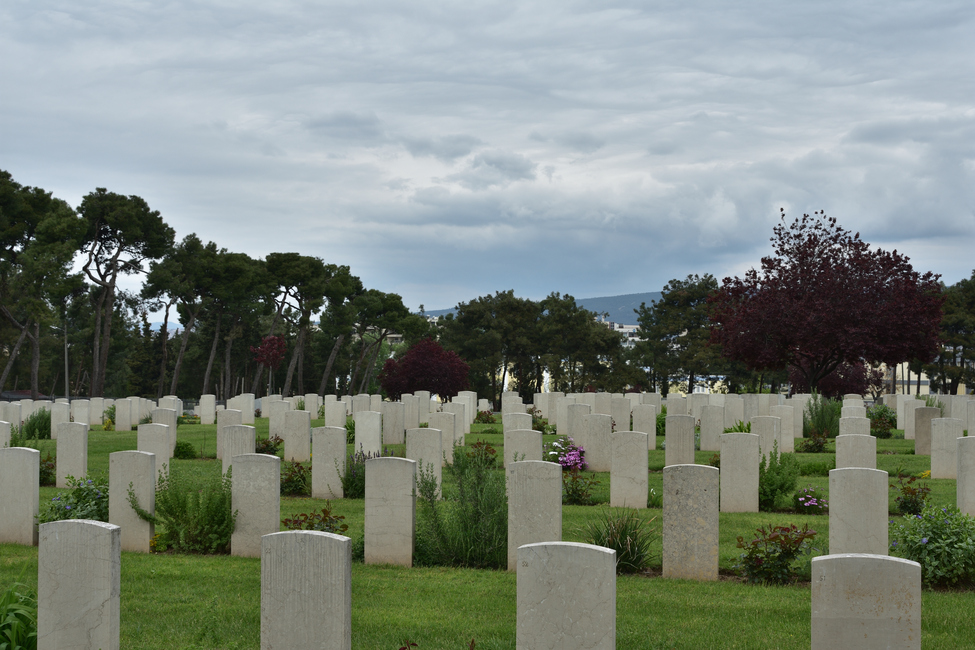
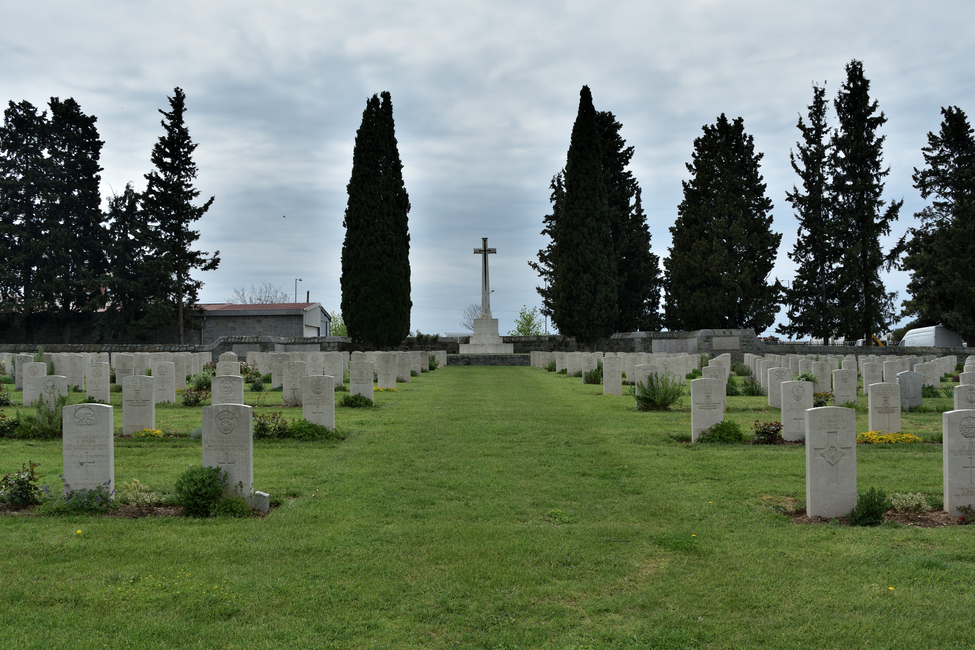
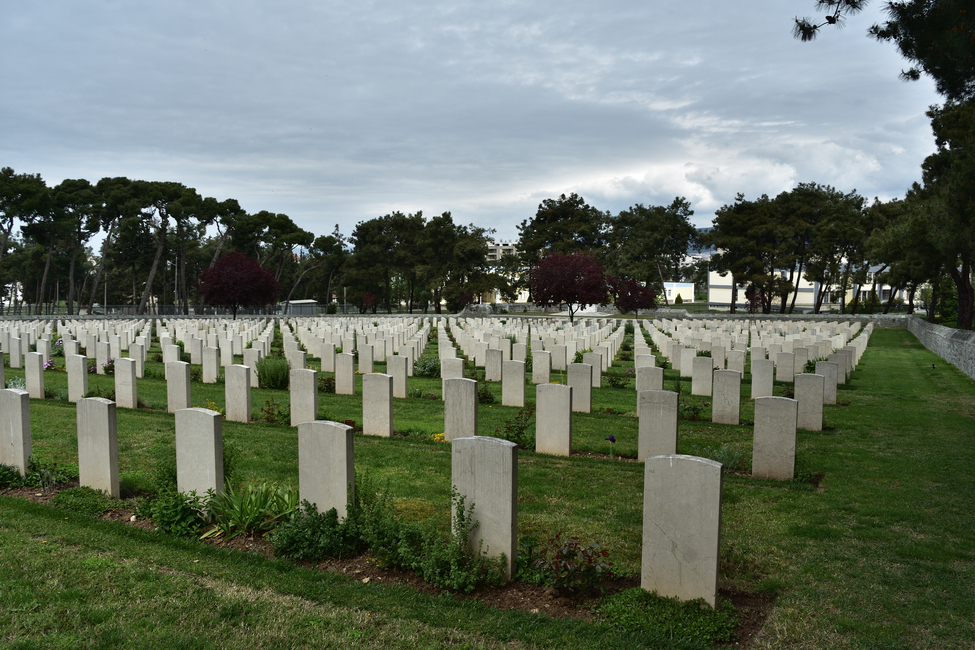
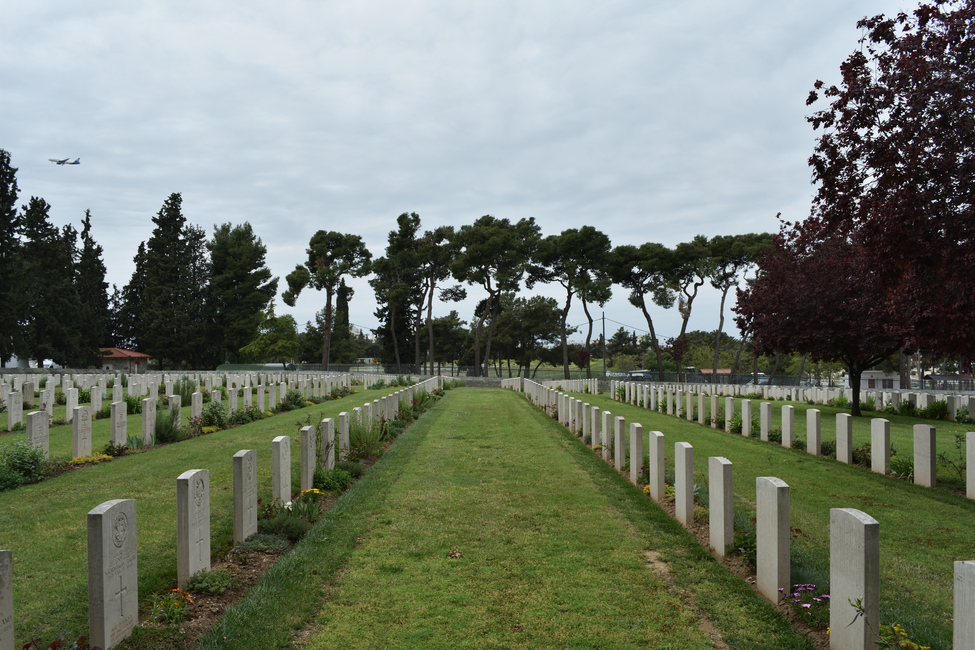
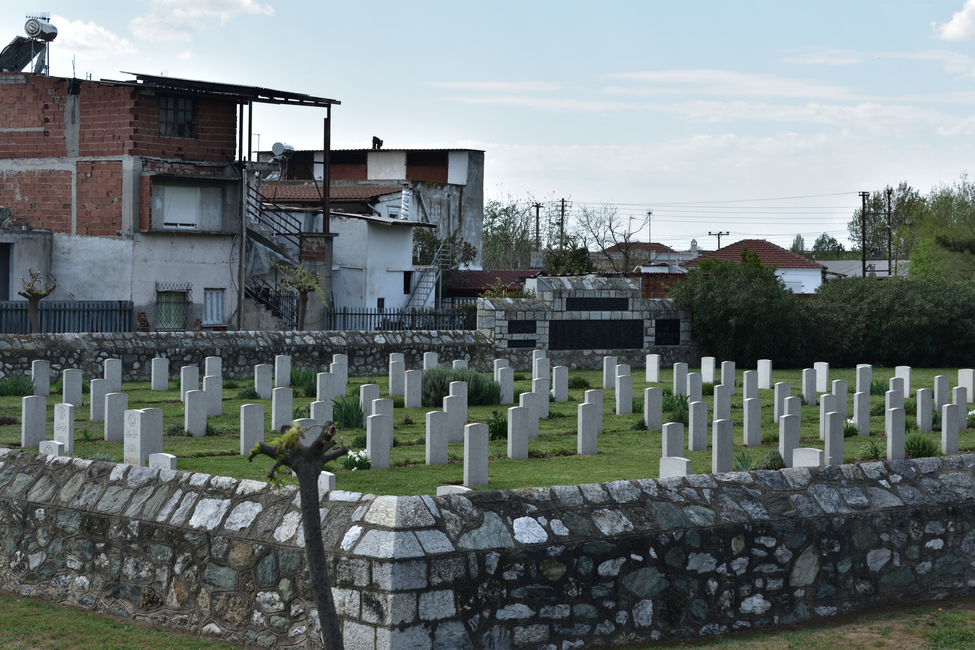
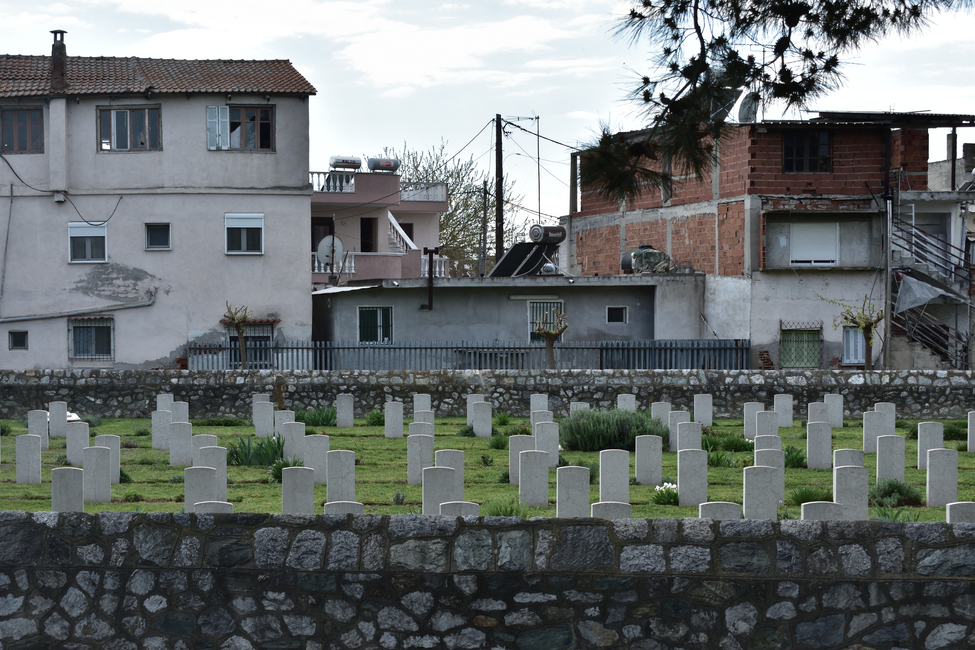
Όταν βρέθηκα στα Συμμαχικά για πρώτη φορά, αυτό που με εντυπωσίασε περισσότερο ήταν η επανάληψη. 20500 τάφοι νέων ανθρώπων, οργανωμένοι σε μια σχεδόν απόλυτη γεωμετρία.
Υπάρχει κάτι συγκλονιστικό σε αυτή τη λούπα. Δεν είναι ένα γεγονός που μπορείς εύκολα να το διαβάσεις ιστορικά εκείνη τη στιγμή. Είναι μια εμπειρία που σε απορροφά.
Και εκεί ένιωσα ότι αυτό δεν μπορεί να ειπωθεί μόνο με λόγια ή μόνο μέσα από ιστορική αφήγηση. Χρειάζεται εικόνα.
Μια ακολουθία εικόνων.
Από εκεί ξεκινάει και το φωτογραφικό μου ενδιαφέρον για τον χώρο.
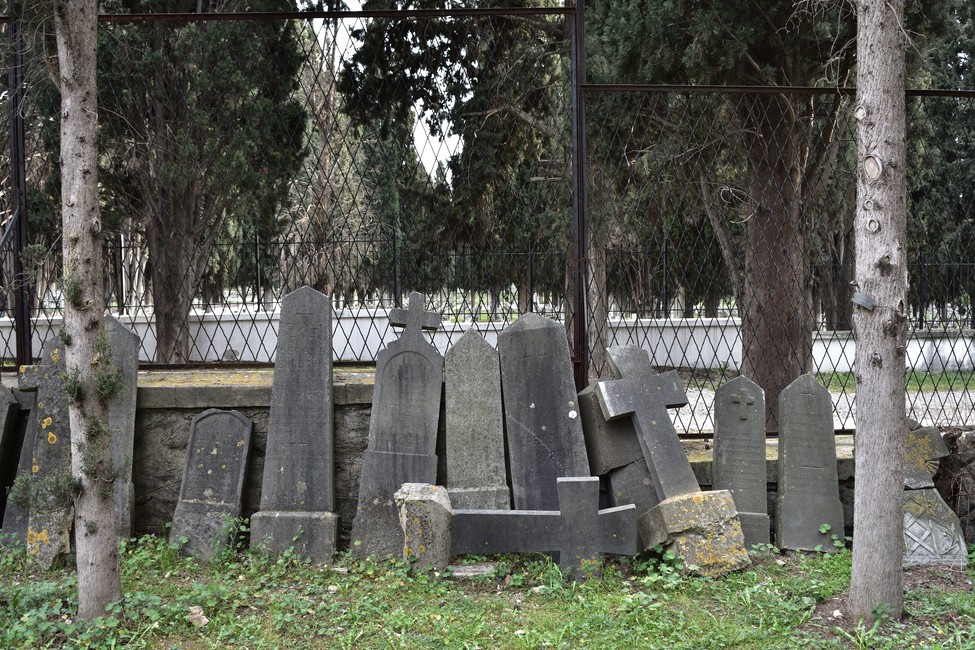
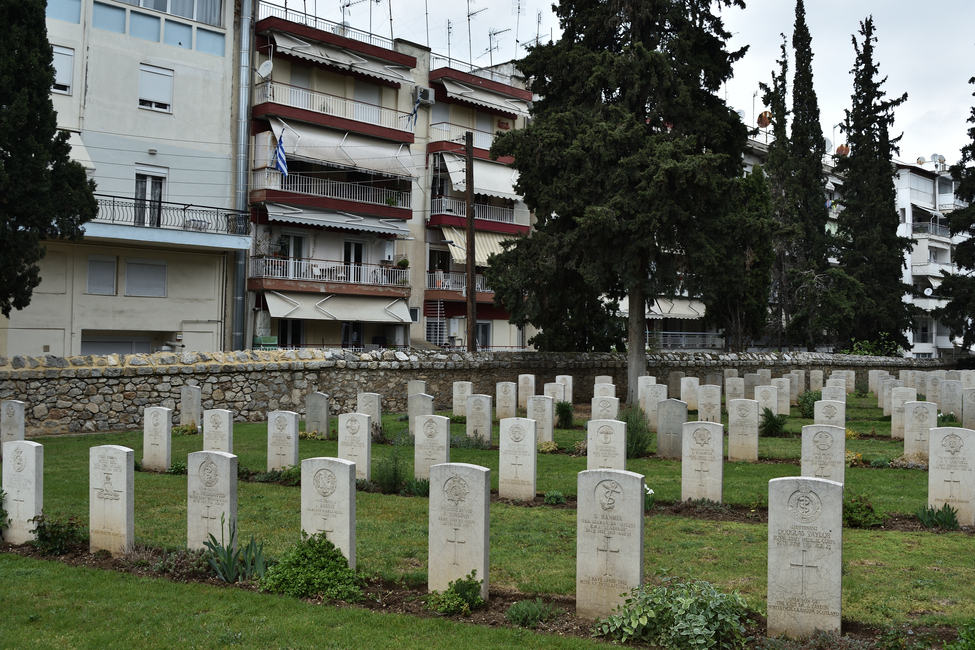
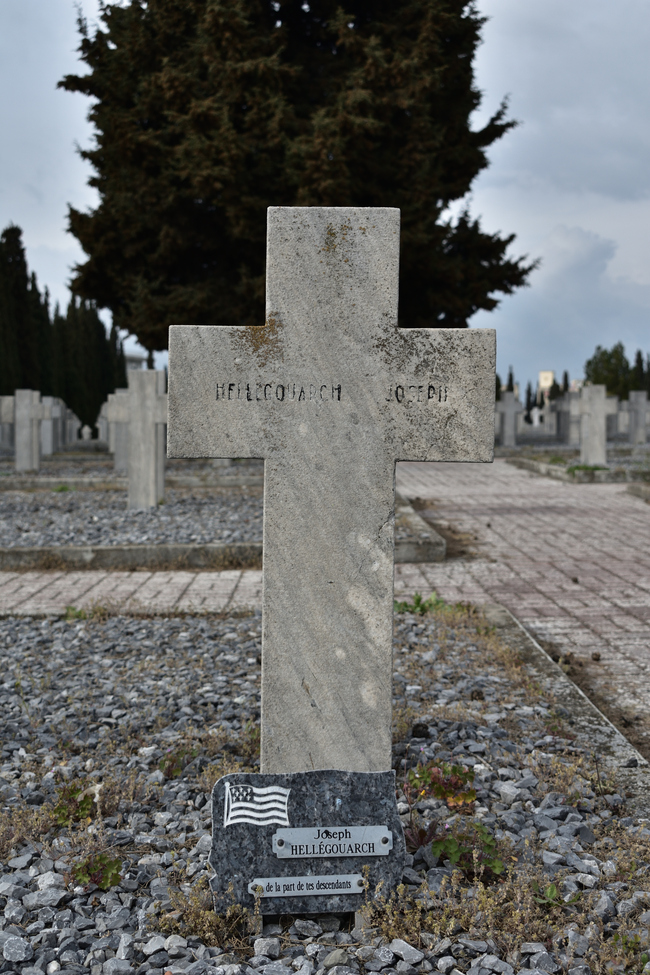
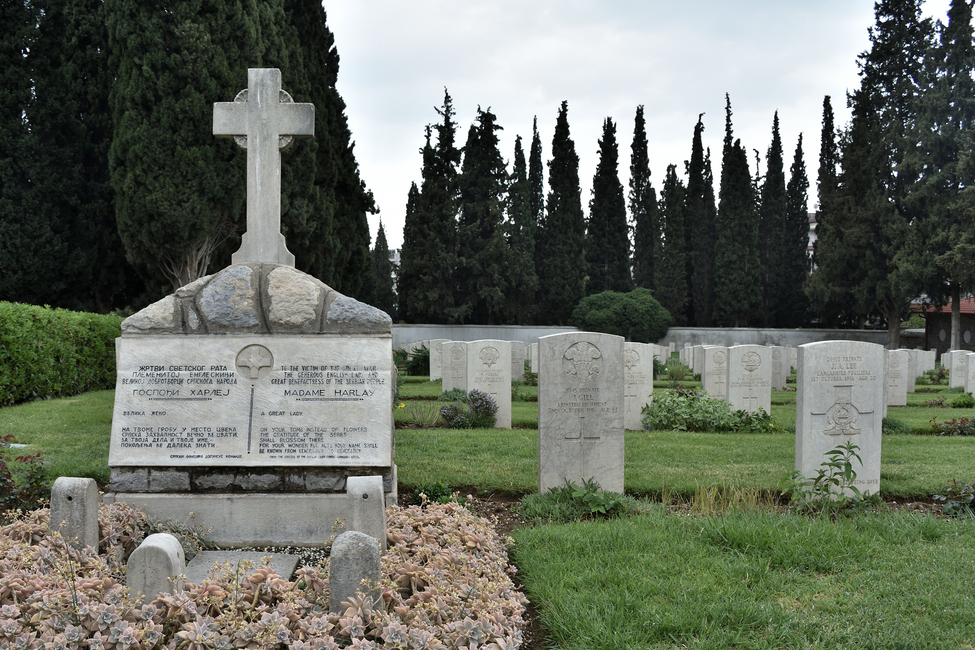
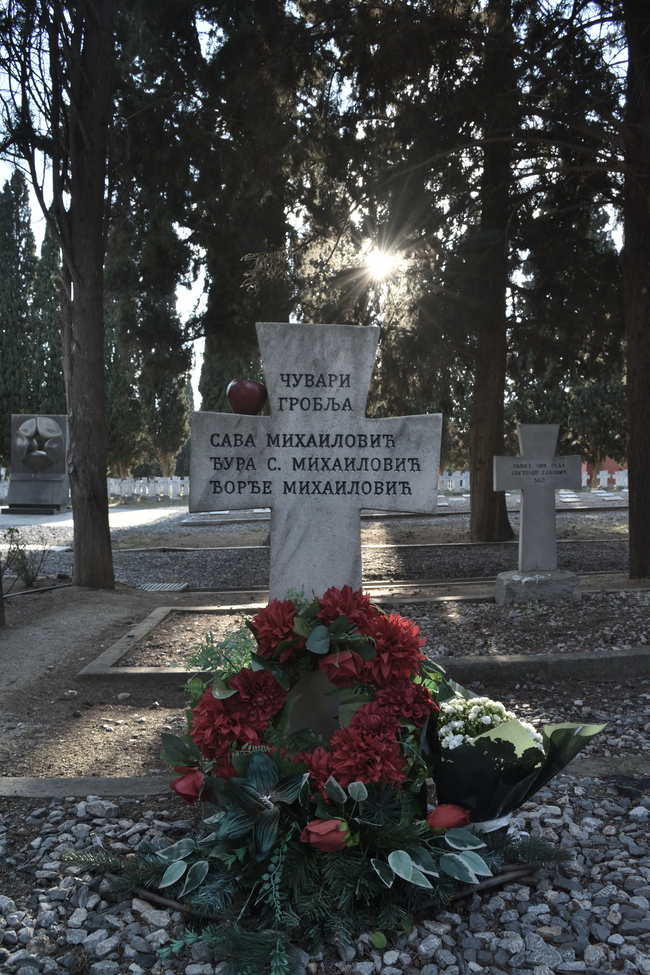
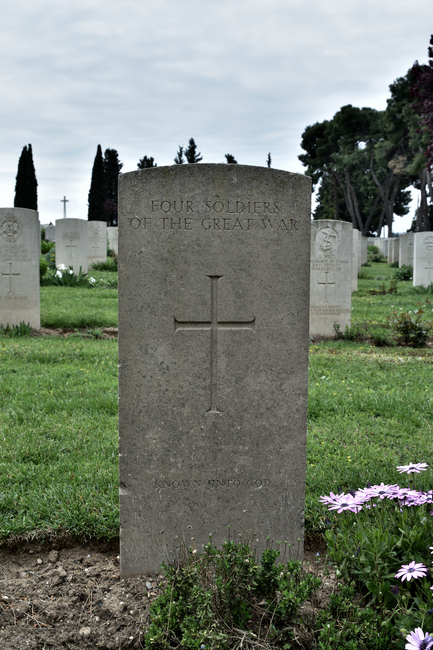
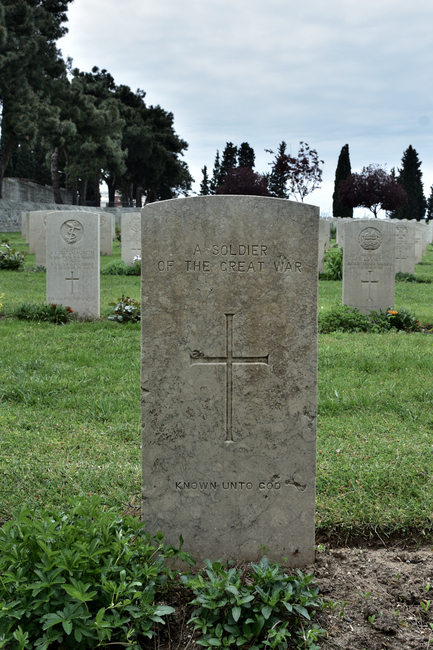
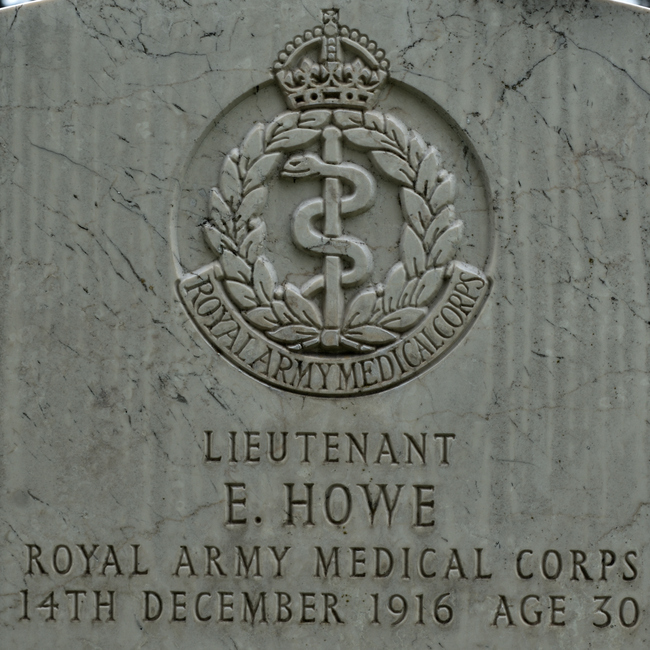
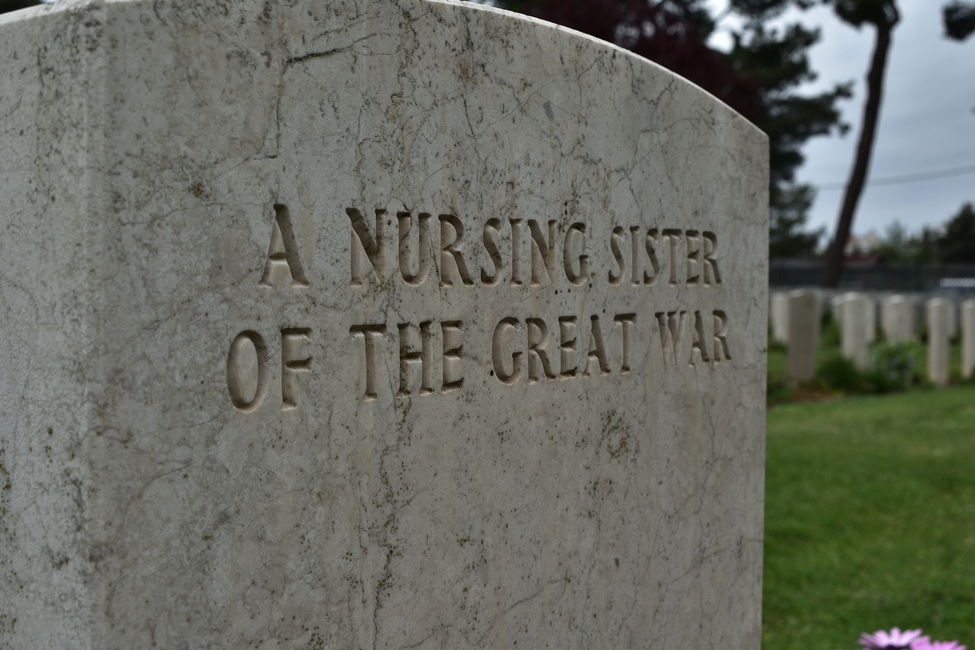
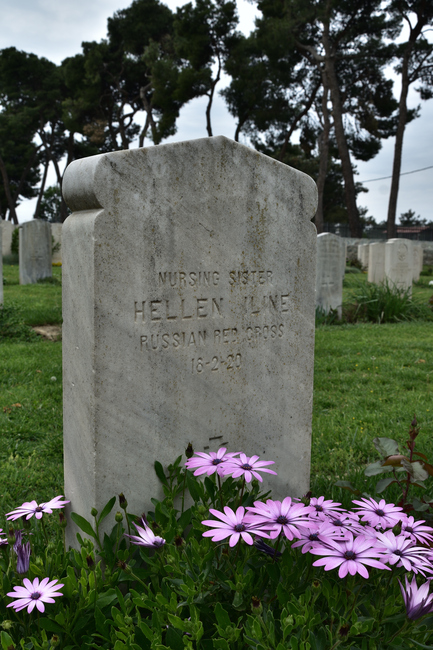
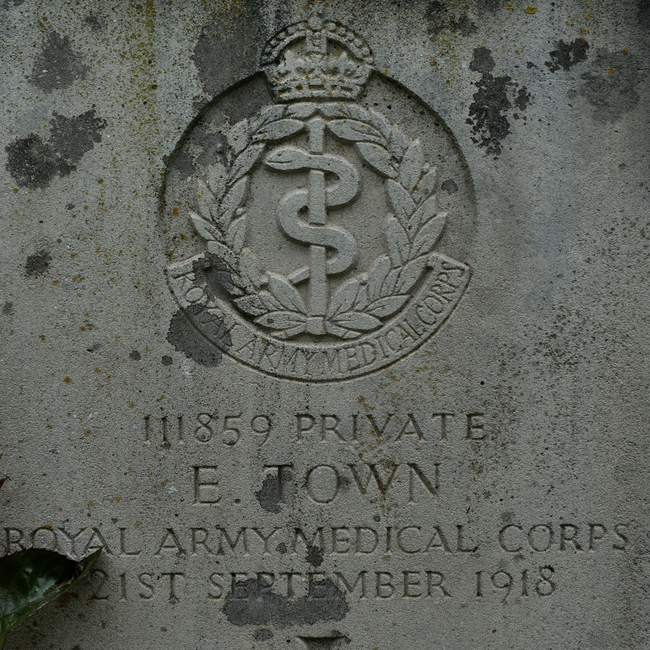
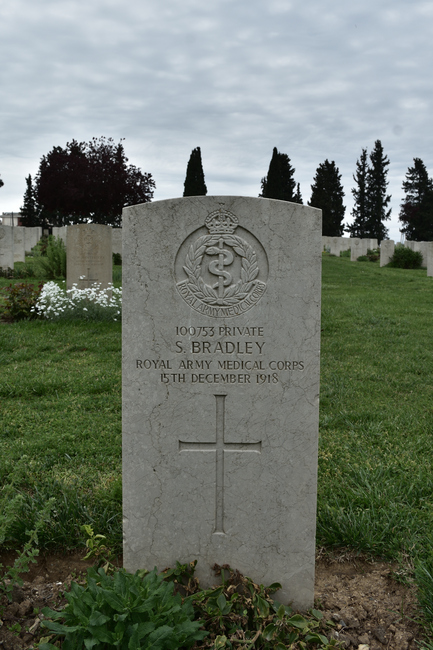
Κατά τη διάρκεια των φωτογραφήσεων και της έρευνας των αρχείων που αφορούσαν τον χώρο αυτό, η ανακάλυψη ότι ένα πολύ μεγάλο ποσοστό των θανάτων (περίπου 50 έως 70%) δεν οφείλεται άμεσα στον πόλεμο, αλλά σε ασθένειες όπως η ισπανική γρίπη και η ελονοσία, υπήρξε καθοριστική. Αυτή η πληροφορία με οδήγησε να εστιάσω όχι μόνο στη συλλογική εικόνα του στρατιωτικού χώρου, αλλά και σε πιο συγκεκριμένα ίχνη ατομικότητας, όπως οι μεμονωμένοι τάφοι ιατρικού προσωπικού.
Σε καμία από τις επισκέψεις μου στα Συμμαχικά νεκροταφεία της Θεσσαλονίκης δεν συνάντησα άλλους επισκέπτες, γεγονός που ενίσχυσε την αίσθηση απομόνωσης του χώρου. Παρότι βρίσκεται εντός της πόλης, μοιάζει αποκομμένος από αυτήν.
Μέσα από τη διαδικασία αυτή, προσπάθησα να δω τι μένει από την ιστορία όταν αφαιρείς το αφήγημα και μένει μόνο ο τόπος.
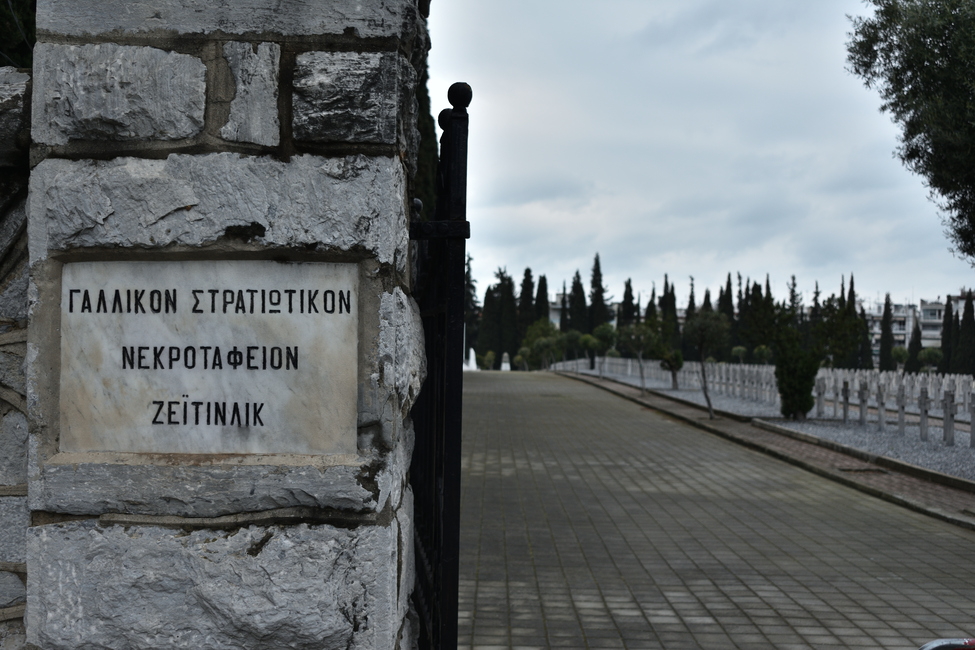
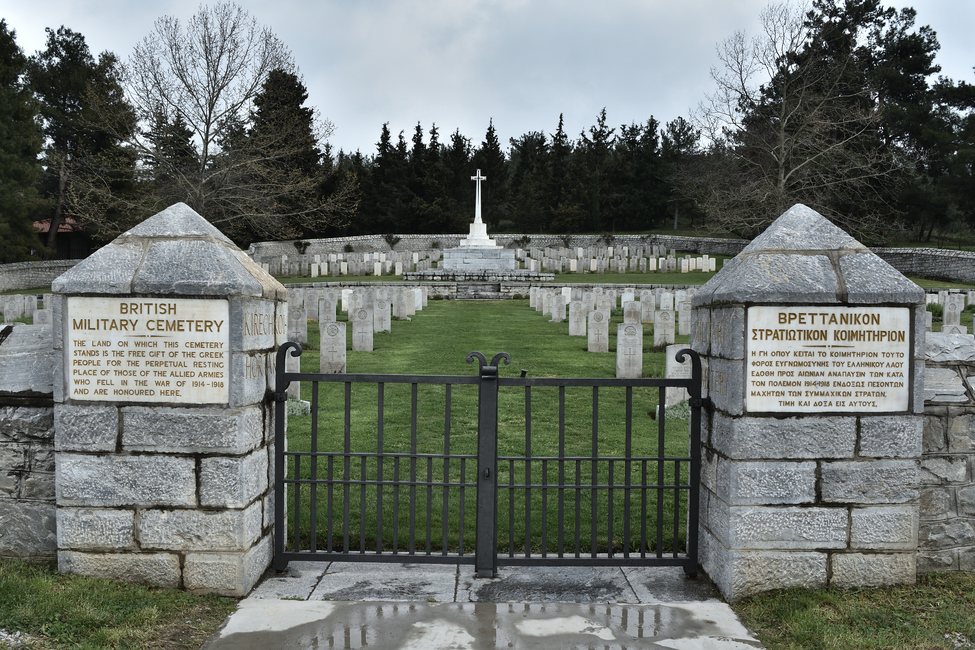
Αντιμέτωπη με τον τεράστιο αριθμό απωλειών, περπατώντας ανάμεσα σε τάφους ανθρώπων κυρίως στη δεύτερη και τρίτη δεκαετία της ζωής τους, ένα πράγμα μόνο έμεινε σαν σκέψη και σαν αίσθηση κλείνοντας πίσω μου τη βαριά σιδερένια πόρτα του Ζέιτενλικ.
Η ματαιότητα του πολέμου διαχρονικά.
Η Θεσσαλονίκη των “χαμένων” νεκρών (Ιστορικά στοιχεία)
Το 1915, η Θεσσαλονίκη μετατρέπεται σε μία από τις μεγαλύτερες στρατιωτικές βάσεις των Συμμάχων. Στρατιώτες από τη Βρετανία, τη Γαλλία, τη Σερβία, την Ιταλία, τη Ρωσία και τις αποικίες της Βρετανικής Αυτοκρατορίας κατακλύζουν την πόλη. Μαζί τους έρχονται και οι πρώτοι νεκροί, όχι μόνο από μάχες, αλλά κυρίως από ασθένειες.
Ελονοσία, δυσεντερία, τύφος και η πανδημία της ισπανικής γρίπης θερίζουν τους στρατιώτες που πολλές φορές δεν προλαβαίνουν καν να φτάσουν στο μέτωπο.
Σύμφωνα με εκτιμήσεις των ιστορικών, έως και 50–70% των απωλειών σχετίζονταν με ασθένειες. Ειδικά στη Θεσσαλονίκη η ύπαρξη πολλών περιοχών με έλη, σε συνδυασμό με τη ζέστη και την υγρασία ευνοούσαν την εξάπλωση της ελονοσίας. Παράλληλα η μαζική συγκέντρωση στρατευμάτων από όλη την Ευρώπη και οι κακές συνθήκες υγιεινής, κατέστησαν πιο εύκολη τη διάδοση ιών όπως η Ισπανική γρίπη, η οποία εκείνη την περίοδο ήταν σε έξαρση.
(Από αναφορές Βρετανών ιατρών στη Θεσσαλονίκη κατά τα έτη 1916–1917:“The greatest enemy of the army is not the Bulgars, but malaria”… Ετήσια αναφορά Army Medical Services, Salonika Front)
Πριν δημιουργηθούν τα οργανωμένα στρατιωτικά κοιμητήρια που γνωρίζουμε σήμερα, η Θεσσαλονίκη ήταν διάσπαρτη από μικρούς, πρόχειρους χώρους ταφής.
Γύρω από τα στρατόπεδα της δυτικής εισόδου της πόλης (στη σημερινή Σταυρούπολη) δημιουργείται το πρώτο μεγάλο σύμπλεγμα τάφων, γνωστό ως Lembet Road Cemeteries. Εκεί θάβονται Βρετανοί, Γάλλοι και Σέρβοι στρατιώτες, πολλές φορές μέσα σε συνθήκες έκτακτης ανάγκης.
Οι ταφές είναι πρόχειρες. Ξύλινες πινακίδες, λάσπη, βιασύνη. Σε αρκετές περιπτώσεις, τα ονόματα χάνονται μέσα σε λίγους μήνες.
Μετά τον πόλεμο, όλα σχεδόν τα λείψανα μεταφέρονται σε έναν νέο, οργανωμένο χώρο, το σημερινό στρατιωτικό κοιμητήριο Ζέιτενλικ.
Καθώς η πόλη μετατρέπεται σε τεράστιο στρατιωτικό νοσοκομείο, δημιουργούνται δεκάδες μικρά κοιμητήρια γύρω από τις μονάδες περίθαλψης.
Στρατιωτικά νοσοκομεία όπως το 21ο, το 24ο και το 36ο εκστρατευτικό νοσοκομείο διατηρούν δικούς τους χώρους ταφής. Εκεί θάβονται οι τραυματίες που δεν τα κατάφεραν, αλλά κυρίως οι ασθενείς των επιδημιών που σαρώνουν το μέτωπο. Ανάμεσά τους βρίσκονται και πολλοί γιατροί και νοσηλευτικό προσωπικό.
Η εικόνα είναι επαναλαμβανόμενη: σκηνές νοσοκομείων, πρόχειρα χειρουργεία, και λίγα μέτρα πιο πέρα, μικρά κοιμητήρια που μεγαλώνουν μέρα με τη μέρα. (Βρετανικές πολεμικές ανταποκρίσεις,1917: “Men die here not in battle, but in silence — in tents and hospitals behind the lines.”)
Στην ανατολική πλευρά της πόλης, κοντά στην Καλαμαριά και το σημερινό αεροδρόμιο, αναπτύσσονται επίσης μικρά πρόχειρα κοιμητήρια γύρω από στρατιωτικές εγκαταστάσεις και αεροπορικές μονάδες.
Η περιοχή αυτή θα εξελιχθεί αργότερα στο οργανωμένο στρατιωτικό κοιμητήριο της Μίκρας. Πριν όμως από αυτό, το τοπίο ήταν διάσπαρτο από μεμονωμένους τάφους, πολλοί από τους οποίους μεταφέρθηκαν εδώ από άλλα σημεία της Μακεδονίας.
Στην ορεινή ζώνη της Εξοχής και του Χορτιάτη, οι συμμαχικές δυνάμεις διατηρούν μικρά κοιμητήρια κοντά σε στρατόπεδα και γραμμές ανεφοδιασμού. Οι θάνατοι εδώ δεν σχετίζονται με μάχες, αλλά με την καθημερινότητα του μετώπου: κακουχίες, ασθένειες και εξάντληση.
Το σημερινό βρετανικό στρατιωτικό κοιμητήριο της Εξοχής αποτελεί τον τελικό αποδέκτη αυτών των ταφών, ενοποιώντας διάσπαρτους και συχνά ανώνυμους τάφους της περιοχής.
Ένα από τα πιο άγνωστα κεφάλαια του Μακεδονικού Μετώπου γράφτηκε κατά μήκος των σιδηροδρομικών γραμμών προς το εσωτερικό των Βαλκανίων. Εκεί, στρατιώτες που πέθαιναν κατά τη μεταφορά τους προς το μέτωπο θάβονταν πρόχειρα δίπλα στις ράγες. Οι περισσότεροι από αυτούς δεν καταγράφηκαν ποτέ σε μόνιμα αρχεία. Είναι οι πιο “χαμένοι” νεκροί του μετώπου.
Μετά το τέλος του πολέμου, η Επιτροπή Κοινοπολιτειακών Πολεμικών Τάφων ανέλαβε το τιτάνιο έργο της συγκέντρωσης όλων των διάσπαρτων τάφων σε λίγα οργανωμένα κοιμητήρια. Χιλιάδες νεκροί εκτάφηκαν και μεταφέρθηκαν στο Ζέιτενλικ, στη Μίκρα και στην Εξοχή.
(Commonwealth War Graves Commission (CWGC) – επίσημα ιστορικά αρχεία για το Μακεδονικό Μέτωπο: “Many of the dead were originally buried in isolated graves or small cemeteries near medical units. After the Armistice, remains were concentrated into permanent cemeteries”.)
Το αποτέλεσμα ήταν η εξαφάνιση σχεδόν όλων των μικρών κοιμητηρίων από τον χάρτη και η δημιουργία των κεντρικών συμμαχικών κοιμητηρίων:
– Συμμαχικό Στρατιωτικό Κοιμητήριο Ζέιτενλικ
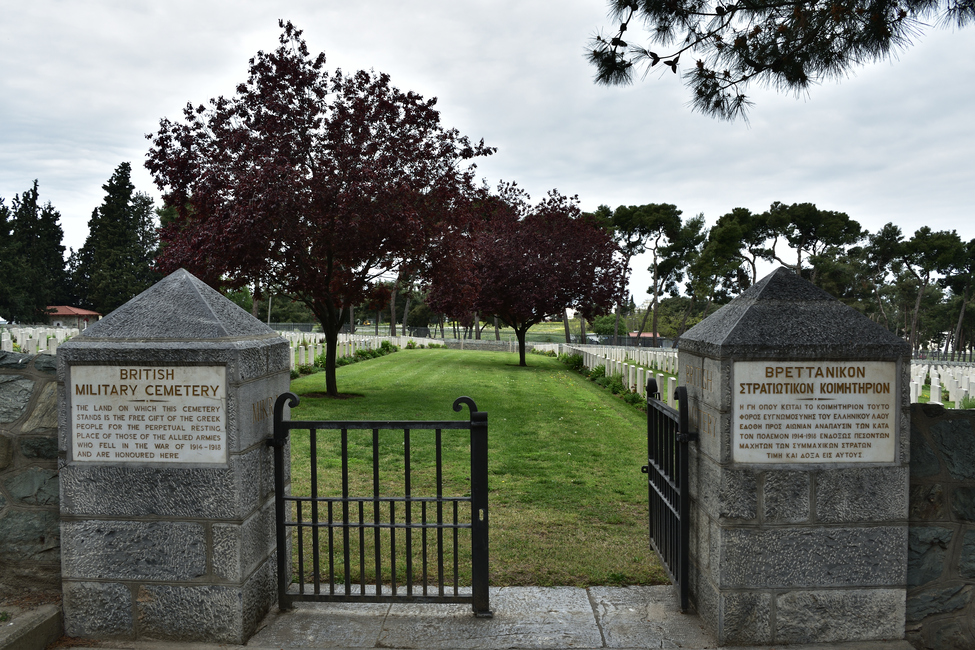
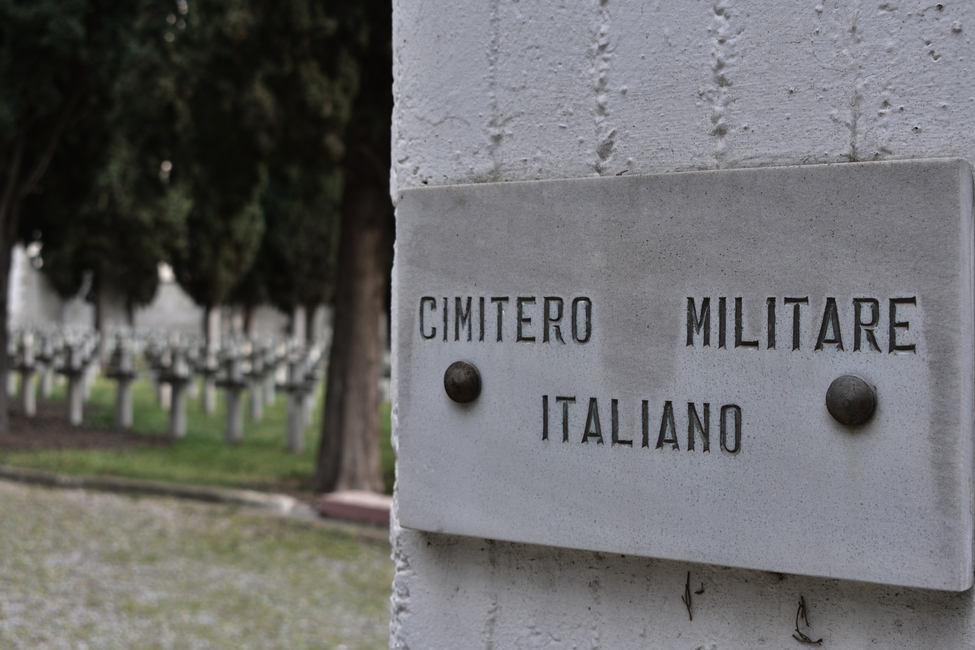
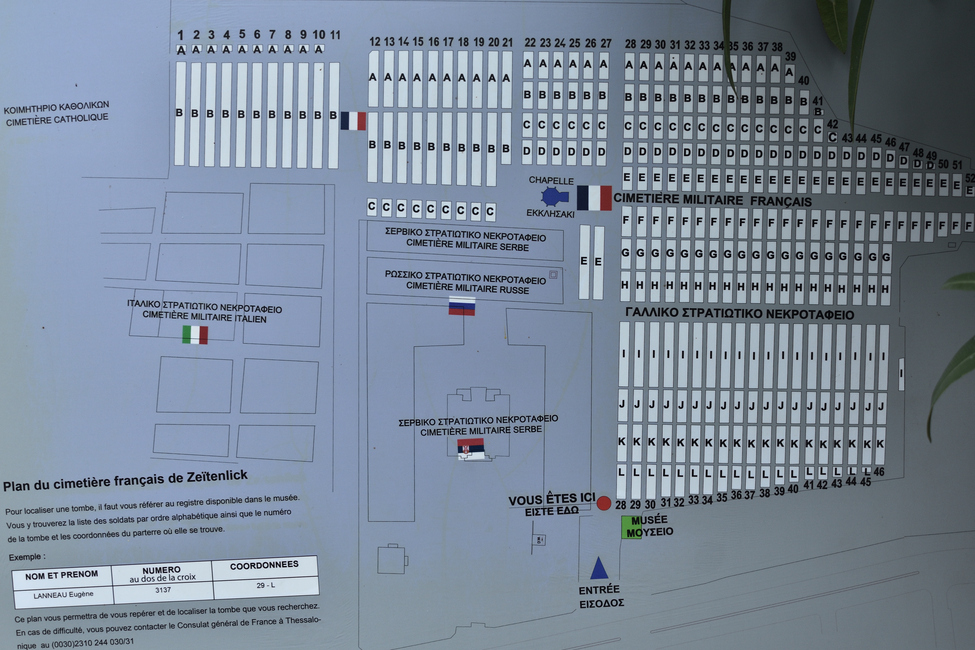
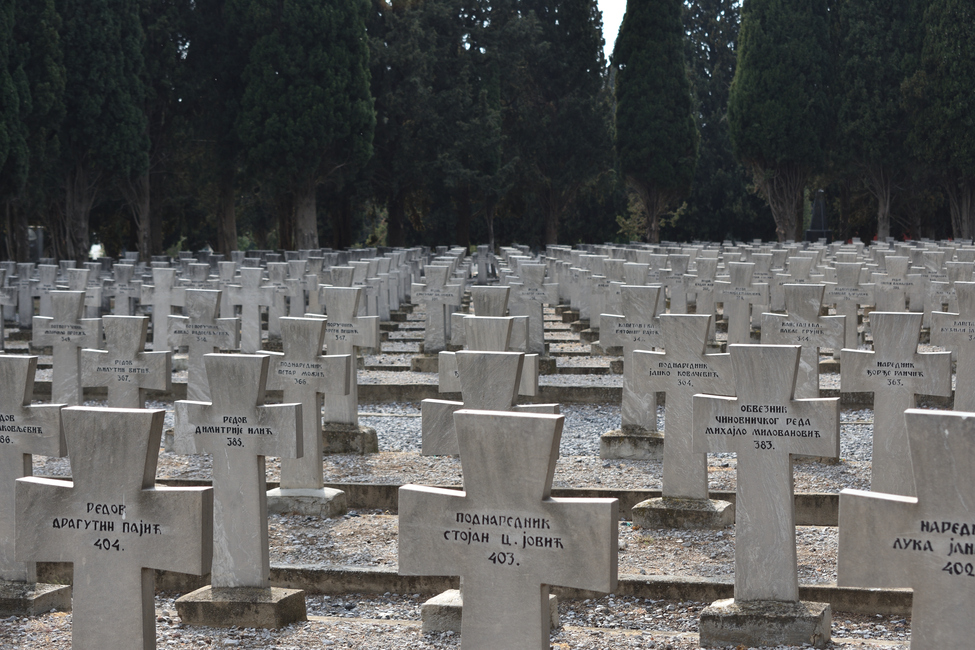
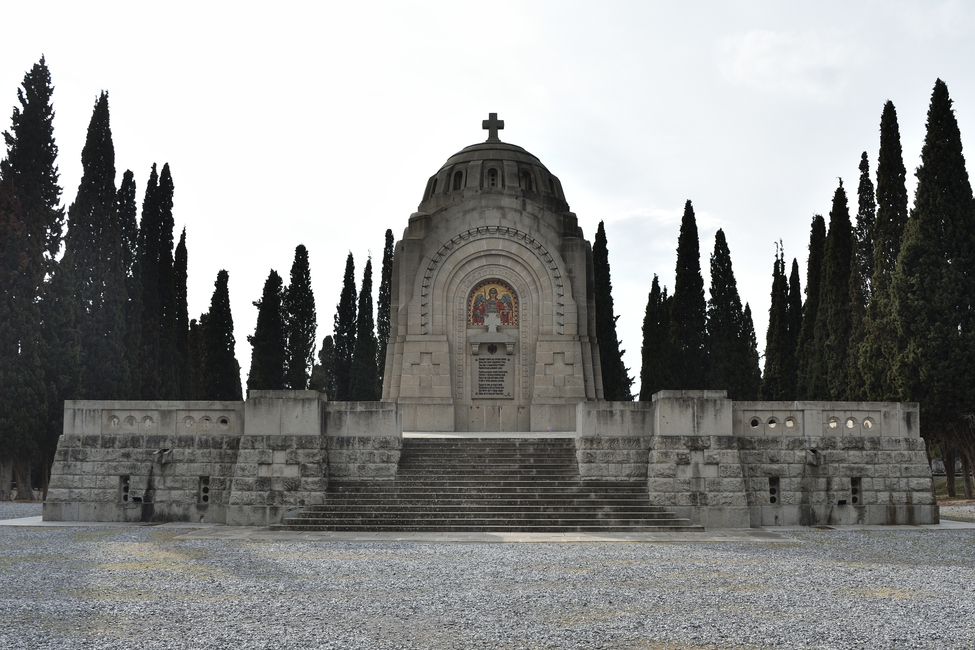
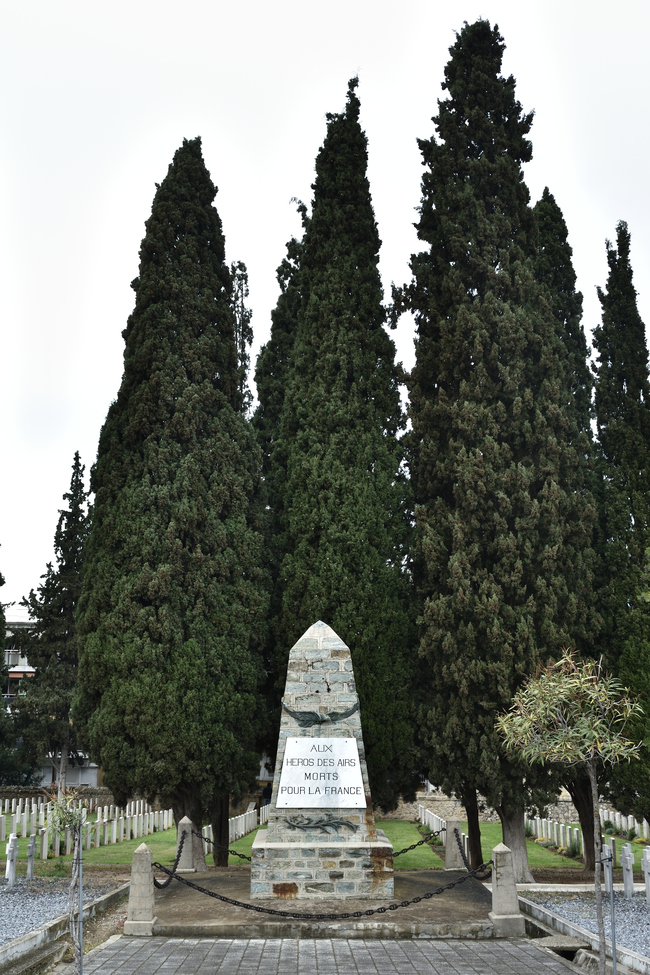
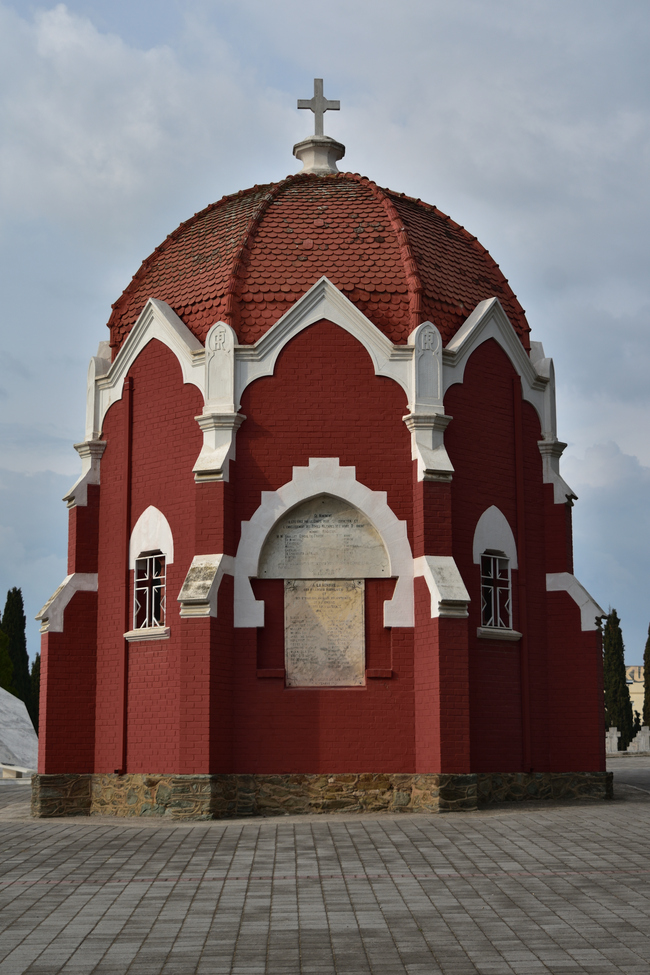
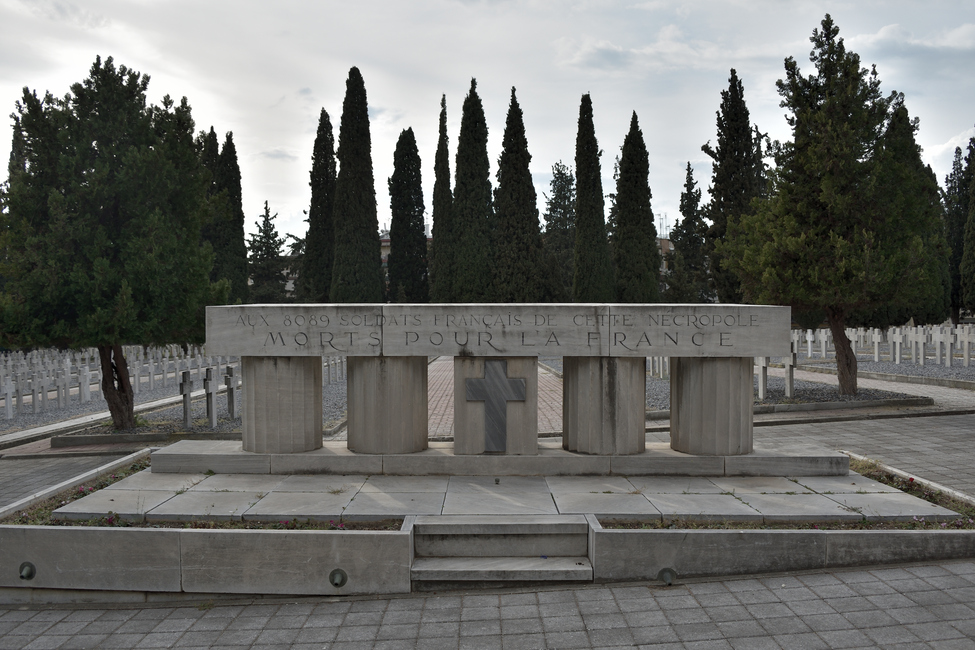
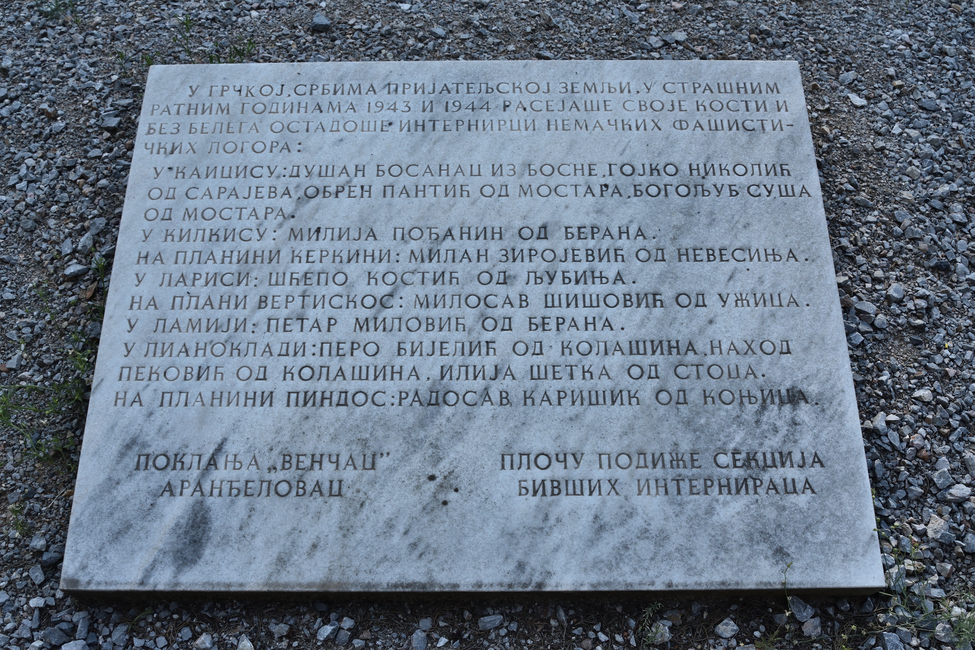
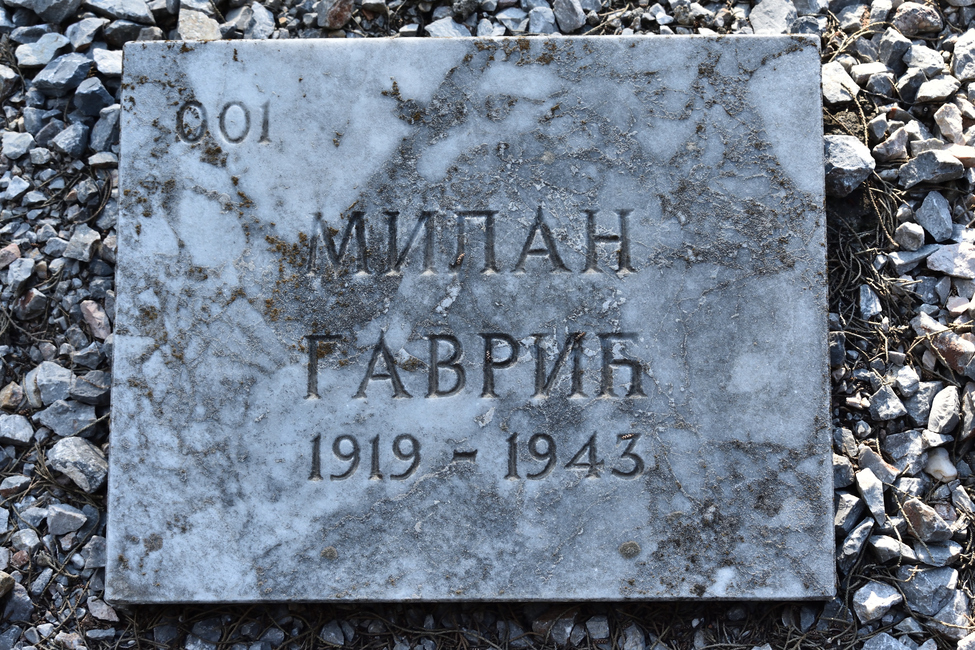
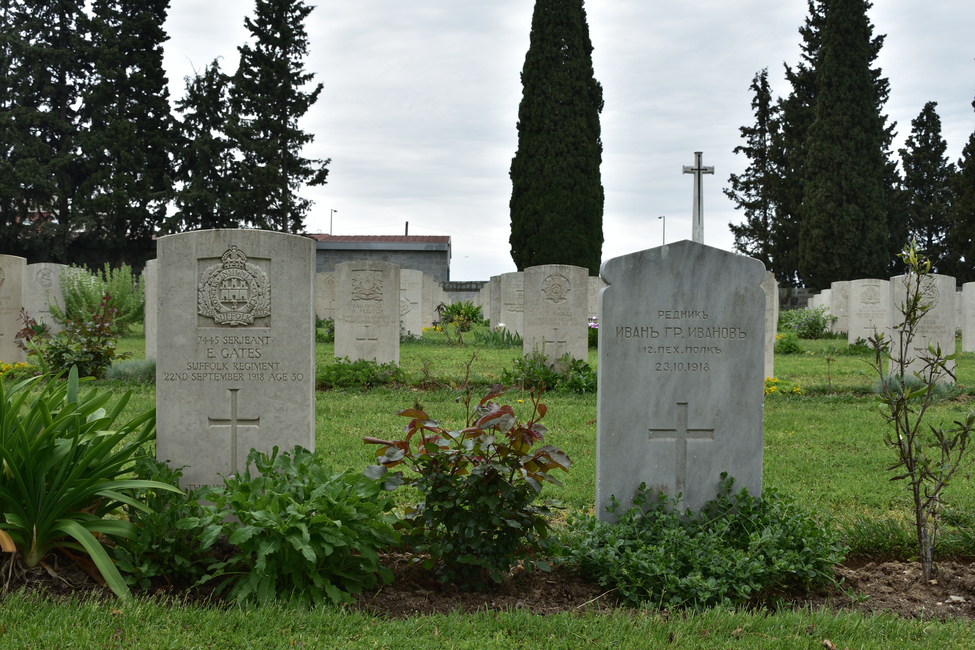
Αποτελεί τη μεγαλύτερη στρατιωτική νεκρόπολη των Βαλκανίων. Περιλαμβάνει περίπου 20.500 πεσόντες του Α’ Παγκοσμίου Πολέμου. Χωρίζεται σε επιμέρους τομείς (ουσιαστικά ξεχωριστά κοιμητήρια): Γαλλικό, Σερβικό, Ιταλικό, Βρετανικό και Ρωσικό.
Βρίσκονται όλοι στον ίδιο ενιαίο χώρο και αποτελούν το βασικό σύνολο στρατιωτικών κοιμητηρίων της πόλης.
– Ινδικό Στρατιωτικό Κοιμητήριο Θεσσαλονίκης
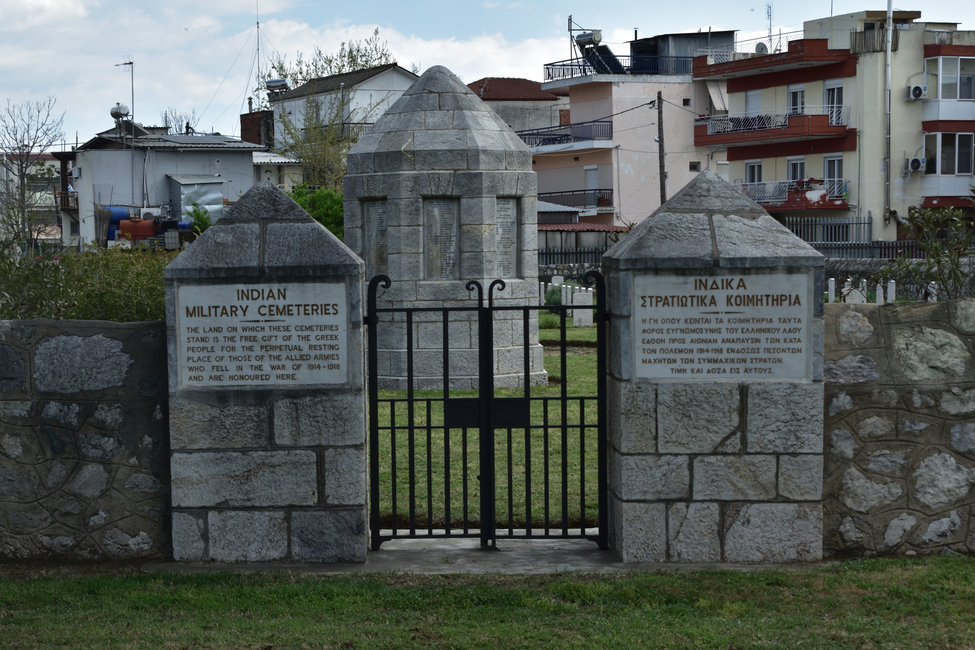
Βρίσκεται στην περιοχή του Δενδροποτάμου και αφορά στρατιώτες της Βρετανικής Αυτοκρατορίας από την Ινδία.
– Βρετανικό Κοιμητήριο Μίκρας
Βρίσκεται κοντά στο αεροδρόμιο και περιλαμβάνει περίπου 1800 τάφους στρατιωτών. Δημιουργήθηκε το 1917 και συγκέντρωσε εκταφές από μικρότερα προσωρινά κοιμητήρια της περιοχής
– Βρετανικό Κοιμητήριο Εξοχής / Χορτιάτη (γνωστό και ως Kirechkoi–Hortakoi)
Βρίσκεται στην περιοχή της Εξοχής (προς Χορτιάτη) και περιλαμβάνει περίπου 1800 νεκρούς. Δημιουργήθηκε το 1916.
Τα στρατιωτικά κοιμητήρια της Μίκρας και της Εξοχής δημιουργήθηκαν σε σημεία όπου υπήρχαν στρατιωτικά νοσοκομεία ή μέτωπα.
Σήμερα, κάτω από το αστικό πλέγμα της Θεσσαλονίκης παραμένει μια σιωπηλή ιστορία.
Μια ιστορία που δεν φαίνεται, ενός τεράστιου δικτύου ταφών, ενός στρατού που θάφτηκε, διασκορπίστηκε και τελικά συγκεντρώθηκε ξανά σε λίγους, οργανωμένους χώρους μνήμης.
Το Μακεδονικό Μέτωπο δεν ήταν μόνο ιστορία μαχών. Ήταν και μια τεράστια υγειονομική καταστροφή, μια ιστορία επιβίωσης, ασθενειών και μαζικής απώλειας. Και τα στρατιωτικά κοιμητήρια της πόλης είναι στην ουσία όχι μόνο μνημεία πολέμου, αλλά και επιδημιών. Είναι χάρτες μιας αόρατης ιστορίας που σημάδεψε τη Θεσσαλονίκη όσο και οι ίδιες οι μάχες.
Η πόλη συνεχίζει να ζει πάνω στη μνήμη ενός πολέμου που την καθόρισε όσο λίγοι και υπήρξε ουσιαστικά το μεγαλύτερο νεκροταφείο του.
Πηγές:
Commonwealth War Graves Commission archives
British Army Medical Services Reports (1915–1918)
History of the Great War – Medical Services
Service de Santé des Armées (Armée d’Orient reports)
Archives militaires de Vincennes (Paris)
Serbian Military Medical Reports (Salonika Front)
Arhiv Jugoslavije – WWI collections
Γενικό Επιτελείο Στρατού – Διεύθυνση Ιστορίας Στρατού
Ιστορικά αρχεία Θεσσαλονίκης (1915–1918 διοίκηση πόλης)
Bio
Η Δώρα Τσιτσικλή γεννήθηκε και ζει στη Θεσσαλονίκη. Σπούδασε Ελληνική Φιλολογία και Γλωσσολογία. Είναι ελεύθερη επαγγελματίας.
Ασχολείται με τη Φωτογραφία από το 2019 έχοντας παρακολουθήσει σεμινάρια δημιουργικής φωτογραφίας, πορτρέτου, κυανοτυπίας και σκοτεινού θαλάμου.
Συμμετέχει σε ομαδικές εκθέσεις και φωτογραφικά φεστιβάλ στην Ελλάδα και το εξωτερικό τα τελευταία τέσσερα χρόνια, ενώ φωτογραφίες της έχουν δημοσιευθεί σε έντυπα και ηλεκτρονικά περιοδικά.
Αγαπά τα ιδιαίτερα πρόσωπα, τα περιβαλλοντικά πορτρέτα και τις φωτογραφίες που διηγούνται ιστορίες.
Insta: https://www.instagram.com/dora_diodona?igsh=bXFmOGduM2Qzc2cx
Dora Tsitsikli – The Military (Allied) Cemeteries of Thessaloniki
The 11th day of the 11th month, at the 11th hour.
That was when the armistice went into effect (Remembrance Day) and the signing of the end of World War I took place (1918).
Every year on this day, memorial services are held at Zeitenlik, located at the well-known Allied Military Cemetery on Lagada Street—the largest military necropolis in the Balkans.
When I found myself at the Allied Cemetery for the first time, what impressed me the most was the repetition. 20,500 graves of young people, organized in an almost perfect geometry.
There is something overwhelming about this loop. It is not an event you can easily process historically in that exact moment; it is an experience that absorbs you.
And there, I felt that this could not be conveyed through words alone or solely through historical narrative. It needed imagery.
A sequence of images.
That is where my photographic interest in the space began.
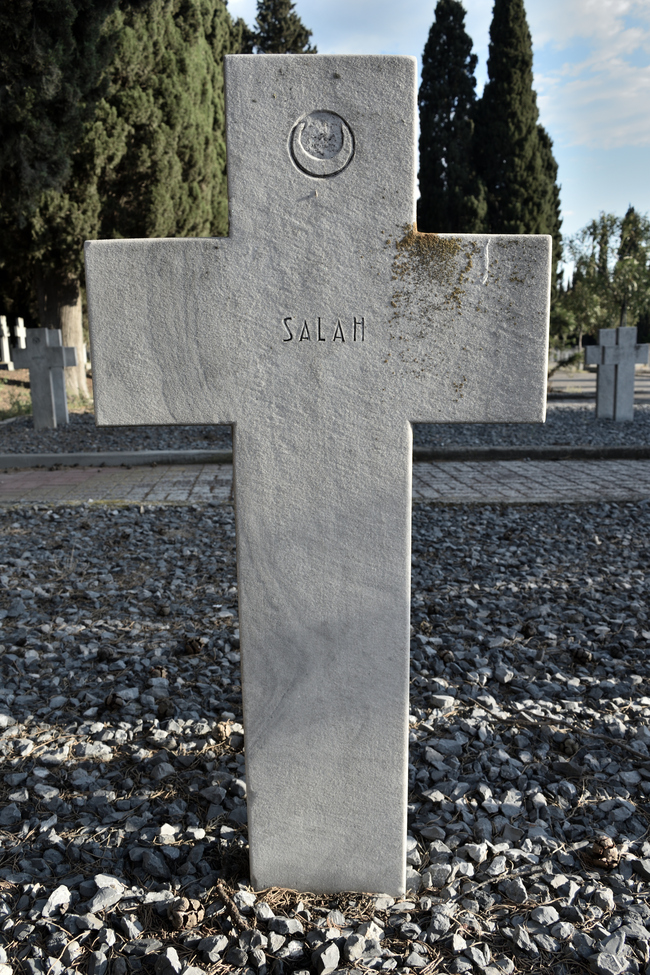
During the photoshoots and the archival research regarding this site, the discovery that a very large percentage of deaths (approximately 50% to 70%) was not directly caused by war, but by diseases such as the Spanish flu and malaria, proved to be pivotal. This information led me to focus not only on the collective image of the military site, but also on more specific traces of individuality, such as the isolated graves of medical personnel.
During none of my visits to the Allied cemeteries of Thessaloniki did I encounter other visitors, a fact that reinforced the sense of isolation of the space. Even though it is located within the city, it feels cut off from it.
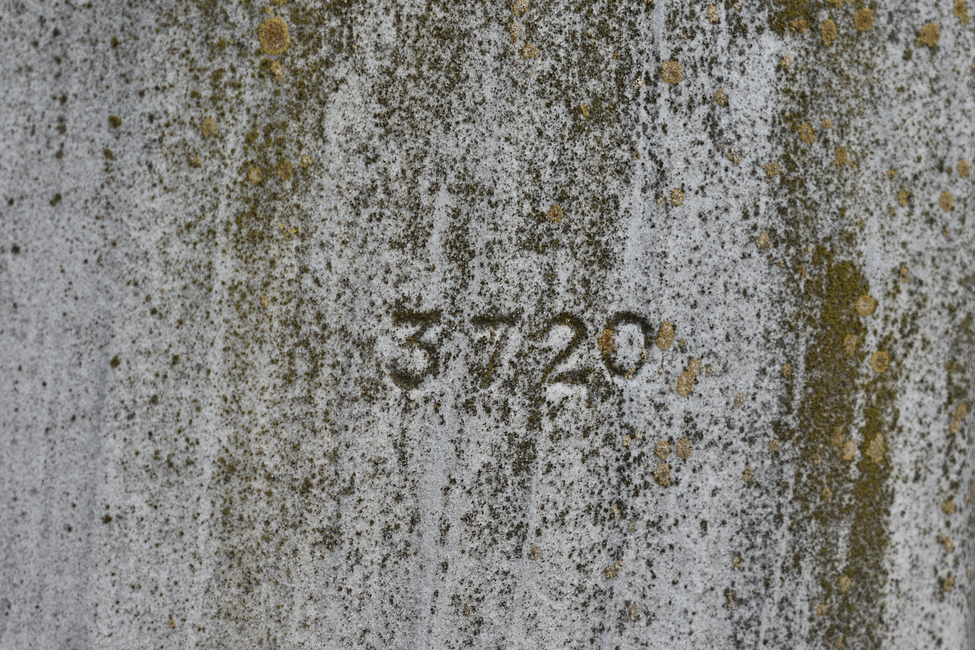
Through this process, I tried to see what remains of history when you strip away the narrative and only the place itself is left.
Confronted with the massive number of losses, walking among the graves of people mostly in their twenties and thirties, only one thing remained as a thought and a feeling as I closed the heavy iron gate of Zeitenlik behind me.
The timeless futility of war.
Thessaloniki of the “Lost” Dead (Historical Data)
In 1915, Thessaloniki was transformed into one of the largest military bases for the Allies. Soldiers from Britain, France, Serbia, Italy, Russia, and the colonies of the British Empire flooded the city. Along with them came the first casualties, not only from battles, but primarily from diseases.
Malaria, dysentery, typhus, and the Spanish flu pandemic took a heavy toll on soldiers, who often did not even manage to reach the front line.
According to historical estimates, up to 50–70% of casualties were related to illness. In Thessaloniki specifically, the existence of many marshlands, combined with heat and humidity, favored the spread of malaria. At the same time, the massive concentration of troops from all over Europe and poor sanitary conditions made it easier for viruses like the Spanish flu—which was peaking at the time—to spread.
(From reports by British doctors in Thessaloniki during the years 1916–1917: “The greatest enemy of the army is not the Bulgars, but malaria”… Annual Report of the Army Medical Services, Salonika Front)
Before the organized military cemeteries we know today were created, Thessaloniki was scattered with small, makeshift burial sites.
Around the camps at the western entrance of the city (in today’s Stavroupoli), the first large complex of graves was formed, known as the Lembet Road Cemeteries. British, French, and Serbian soldiers were buried there, often under emergency conditions.
The burials were makeshift: wooden plaques, mud, haste. In several cases, names were lost within a few months.
After the war, almost all remains were transferred to a new, organized space, today’s Zeitenlik Allied Military Cemetery.
As the city turned into a massive military hospital, dozens of small cemeteries were created around the care units.
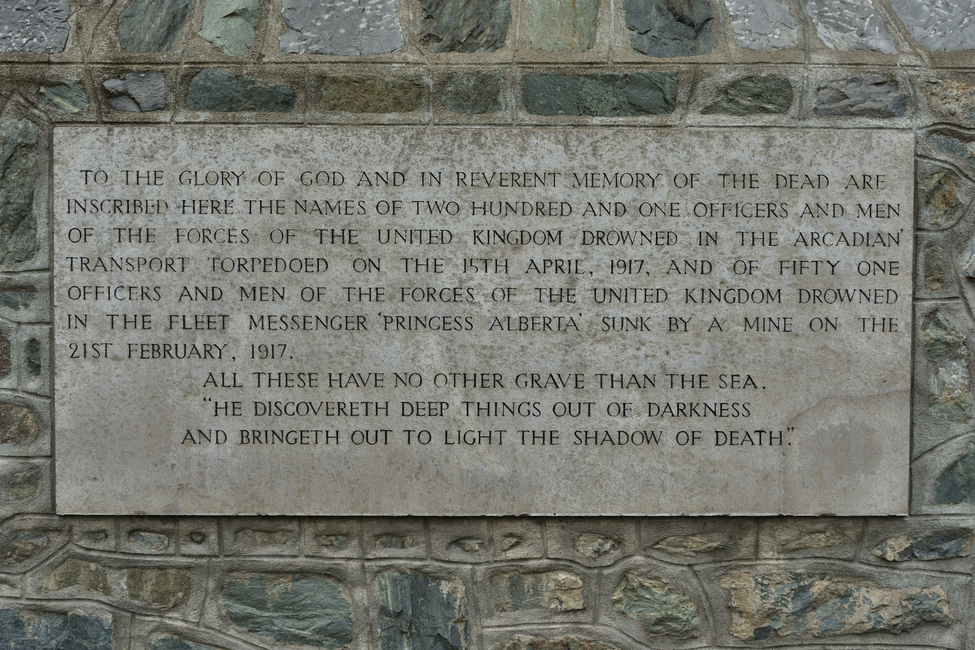
Military hospitals such as the 21st, 24th, and 36th General Hospitals maintained their own burial grounds. Wounded soldiers who did not survive were buried there, but mostly it was the victims of the epidemics sweeping the front. Among them were many doctors and nursing staff.
The scene was recurring: hospital tents, makeshift operating rooms, and just a few meters away, small cemeteries that grew day by day. (British war dispatches, 1917: “Men die here not in battle, but in silence — in tents and hospitals behind the lines.”)
On the eastern side of the city, near Kalamaria and today’s airport, small makeshift cemeteries also developed around military installations and aviation units.
This area would later evolve into the organized Mikra British Cemetery. Before that, however, the landscape was scattered with individual graves, many of which were transferred here from other parts of Macedonia.
In the mountainous zone of Exochi and Chortiatis, Allied forces maintained small cemeteries near camps and supply lines. Deaths here were not related to battles, but to the daily life of the front: hardships, diseases, and exhaustion.
Today’s Kirechkoi-Hortakoi Military Cemetery in Exochi became the final resting place for these burials, consolidating scattered and often anonymous graves from the region.
One of the least known chapters of the Macedonian Front was written along the railway lines heading into the Balkan interior. There, soldiers who died during transit to the front were buried hastily next to the tracks. Most of them were never recorded in permanent archives. They are the most “lost” dead of the front.
After the end of the war, the Commonwealth War Graves Commission undertook the titanic task of gathering all scattered graves into a few organized cemeteries. Thousands of dead were exhumed and transferred to Zeitenlik, Mikra, and Exochi.
(Commonwealth War Graves Commission (CWGC) – official historical records for the Macedonian Front: “Many of the dead were originally buried in isolated graves or small cemeteries near medical units. After the Armistice, remains were concentrated into permanent cemeteries”.)
The result was the disappearance of almost all small cemeteries from the map and the creation of the central allied cemeteries:
– Zeitenlik Allied Military Cemetery: It is the largest military necropolis in the Balkans. It includes approximately 20,500 fallen of the First World War. It is divided into distinct sectors (essentially separate cemeteries): French, Serbian, Italian, British, and Russian. They are all located within the same unified space and form the core complex of military cemeteries in the city.
– Thessaloniki Indian Military Cemetery: Located in the Dendropotamos area, it concerns soldiers of the British Empire from India.
– Mikra British Cemetery: Located near the airport, it includes about 1,800 soldiers’ graves. It was created in 1917 and gathered exhumations from smaller temporary cemeteries in the area.
– Kirechkoi-Hortakoi Military Cemetery (Exochi): Located in the area of Exochi (towards Chortiatis), it includes about 1,800 dead. It was created in 1916.
The military cemeteries of Mikra and Exochi were established at points where military hospitals or fronts existed.
Today, beneath the urban fabric of Thessaloniki, a silent history remains.
An invisible history of a vast network of graves, of an army that was buried, scattered, and ultimately gathered again into a few, organized spaces of remembrance.
The Macedonian Front was not just a history of battles; it was also a massive health disaster, a story of survival, disease, and mass loss. And the city’s military cemeteries are, in essence, monuments not only to war, but also to epidemics. They are maps of an invisible history that marked Thessaloniki just as much as the battles themselves.
The city continues to live on top of the memory of a war that defined it like few others and was, essentially, its largest graveyard.
Sources:
Commonwealth War Graves Commission archives
British Army Medical Services Reports (1915–1918)
History of the Great War – Medical Services
Service de Santé des Armées (Armée d’Orient reports)
Archives militaires de Vincennes (Paris)
Serbian Military Medical Reports (Salonika Front)
Arhiv Jugoslavije – WWI collections
Hellenic Army General Staff – Army History Directorate
Historical Archives of Thessaloniki (1915–19he has been involved in photography since 2019, having attended seminars in creative photography, portraiture, cyanotype, and the darkroom.
Bio
Dora Tsitsikli was born and lives in Thessaloniki. She studied Greek Philology and Linguistics. She is a freelancer.
She has been involved in photography since 2019, having attended seminars in creative photography, portraiture, cyanotype, and the darkroom.
She has been participating in group exhibitions and photography festivals in Greece and abroad for the past four years, while her photographs have been published in print and electronic magazines.
She loves unique faces, environmental portraits, and photographs that tell stories.
Insta: https://www.instagram.com/dora_diodona?igsh=bXFmOGduM2Qzc2cx